
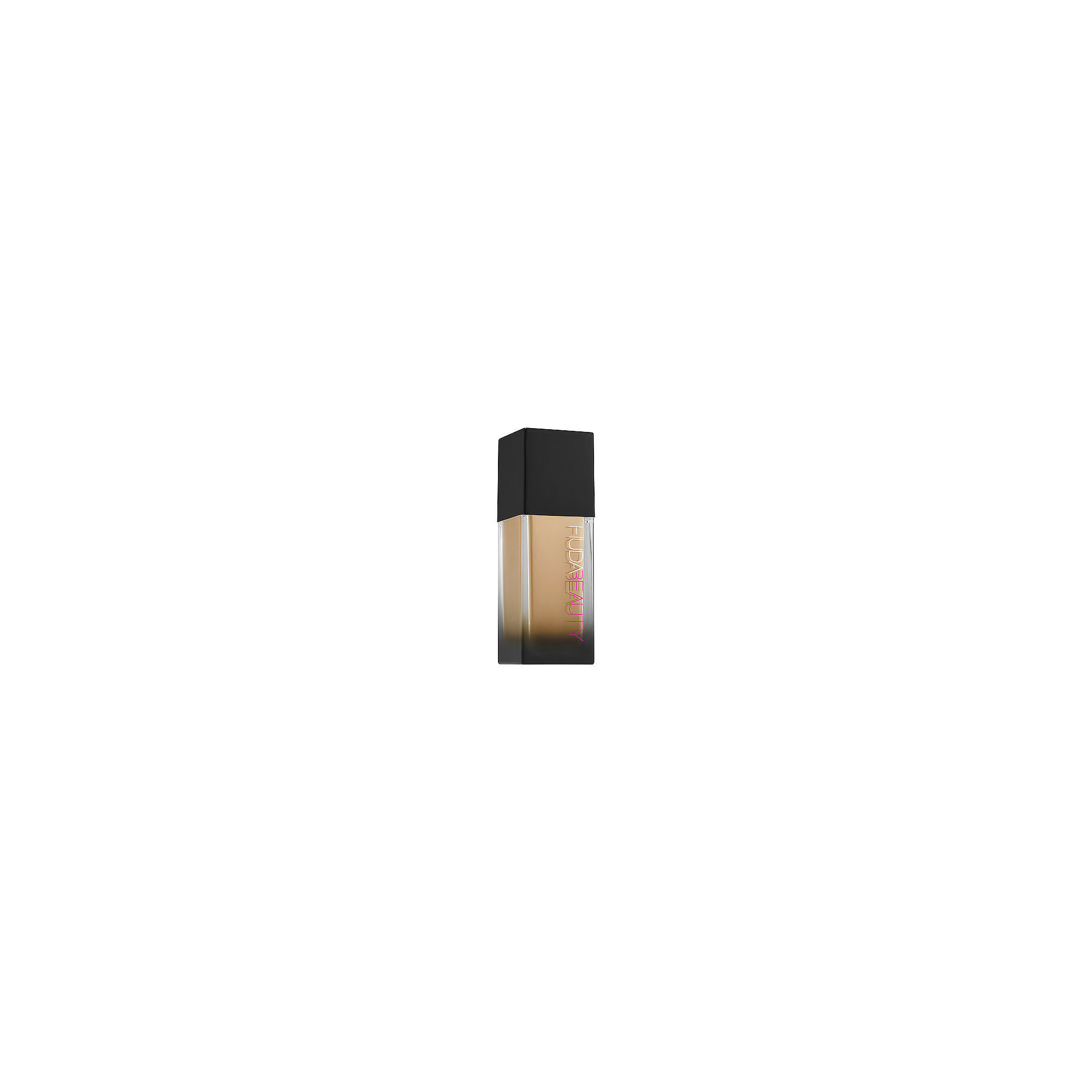

Huda Beauty #FauxFilter Foundation
Analysis updated April 2026 · How Scout scores
At a glance
Summary
This foundation contains beneficial ingredients like Argan Oil, Vitamin E, and Centella Asiatica Extract, which provide moisturizing and soothing benefits. However, it includes synthetic components such as dimethicone and copolymers, which are common in cosmetics but contribute to a higher processing level. The absence of harsh chemicals like parabens and synthetic fragrances is a positive aspect, but the presence of processed ingredients prevents a top-tier rating.
Key ingredients 14
Argania Spinosa Kernel OilVery Good
Argania Spinosa Kernel Oil, commonly known as Argan Oil, is a natural oil rich in fatty acids and antioxidants. It provides moisturizing and nourishing benefits to the skin. It is highly regarded for its skin-conditioning properties.
Risks
There are minimal risks associated with argan oil, though it can cause mild irritation in individuals with nut allergies.
Benefits
Argan Oil helps in hydrating and softening the skin, improving its overall texture and appearance.
Centella Asiatica ExtractVery Good
Centella Asiatica Extract is a botanical ingredient known for its soothing and healing properties. It helps in calming irritated skin and promoting skin repair. It is highly valued for its anti-inflammatory benefits.
Risks
There are minimal risks associated with Centella Asiatica Extract, though it can cause mild irritation in sensitive individuals.
Benefits
Centella Asiatica Extract helps in reducing redness and inflammation, improving the skin's overall condition.
MicaGood
Beneficial ingredient — whole-food or functional value in this product class.
Risks
There are minimal risks associated with mica, though inhalation of fine particles can be a concern in loose powder forms.
Benefits
Mica helps in enhancing the appearance of the skin by providing a luminous finish.
Tocopheryl AcetateGood
Tocopheryl Acetate is a form of Vitamin E used for its antioxidant properties. It helps in protecting the skin from environmental damage. It is widely used in cosmetics for its skin-conditioning benefits.
Risks
There are minimal risks associated with tocopheryl acetate, though it can cause mild irritation in sensitive individuals.
Benefits
Tocopheryl Acetate helps in nourishing and protecting the skin, enhancing its overall health.
GlycerinGood
Glycerin is a humectant used to attract moisture to the skin. It helps in keeping the skin hydrated and soft. It is widely used in cosmetics for its moisturizing properties.
Risks
There are minimal risks associated with glycerin, though it can cause mild irritation in sensitive individuals.
Benefits
Glycerin helps in maintaining the skin's moisture balance, enhancing its suppleness and smoothness.
WaterNeutral
Water is a common solvent used in cosmetics to dissolve other ingredients. It helps in the application and absorption of the product. It is generally considered safe and non-irritating.
Risks
There are no significant risks associated with water in cosmetics.
Benefits
Water helps in hydrating the skin and acts as a carrier for other beneficial ingredients.
IsododecaneNeutral
Isododecane is a hydrocarbon used for its emollient and solvent properties. It provides a lightweight, non-greasy feel to the product. It is generally considered safe for use in cosmetics.
Risks
There are minimal risks associated with isododecane, though it can cause mild irritation in sensitive individuals.
Benefits
Isododecane helps in providing a smooth application and enhances the spreadability of the product.
Methyl TrimethiconeNeutral
Methyl Trimethicone is a silicone-based compound used for its conditioning and smoothing properties. It helps in creating a silky texture and provides a matte finish. It is generally considered safe for use in cosmetics.
Risks
There are minimal risks associated with methyl trimethicone, though it can cause mild irritation in sensitive individuals.
Benefits
Methyl Trimethicone helps in reducing the appearance of fine lines and provides a smooth, even application.
Cetyl PEG/PPG-10/1 DimethiconeNeutral
Cetyl PEG/PPG-10/1 Dimethicone is a silicone-based emulsifier that helps in blending water and oil components. It provides a smooth, silky feel to the product. It is generally considered safe for use in cosmetics.
Risks
There are minimal risks associated with this ingredient, though it can cause mild irritation in sensitive individuals.
Benefits
Cetyl PEG/PPG-10/1 Dimethicone helps in improving the texture and spreadability of the product.
HDI/Trimethylol Hexyllactone CrosspolymerNeutral
This ingredient is a polymer used to provide a soft focus effect and improve the texture of the product. It helps in creating a smooth, matte finish. It is generally considered safe for use in cosmetics.
Risks
There are minimal risks associated with this ingredient, though it can cause mild irritation in sensitive individuals.
Benefits
HDI/Trimethylol Hexyllactone Crosspolymer helps in blurring imperfections and providing a long-lasting finish.
Ethylene/Acrylic Acid CopolymerNeutral
Ethylene/Acrylic Acid Copolymer is used as a film-forming agent to enhance the durability of the product. It helps in providing water resistance and long-lasting wear. It is generally considered safe for use in cosmetics.
Risks
There are minimal risks associated with this ingredient, though it can cause mild irritation in sensitive individuals.
Benefits
This copolymer helps in improving the longevity and water resistance of the product.
Titanium Dioxide (Ci 77891)Neutral
Titanium Dioxide is a mineral used as a pigment and sunscreen agent. It provides opacity and UV protection. It is generally considered safe for use in cosmetics.
Risks
There are minimal risks associated with titanium dioxide, though inhalation of fine particles can be a concern in loose powder forms.
Benefits
Titanium Dioxide helps in providing sun protection and coverage in cosmetic products.
Bismuth Oxychloride (Ci 77163)Neutral
Bismuth Oxychloride is a mineral used for its pearlescent properties to add a sheen to the skin. It provides a smooth, silky finish. It is generally considered safe for use in cosmetics.
Risks
There are minimal risks associated with bismuth oxychloride, though it can cause mild irritation in sensitive individuals.
Benefits
Bismuth Oxychloride helps in enhancing the appearance of the skin by providing a luminous finish.
Iron Oxides (Ci 77492, Ci 77491, Ci 77499)Neutral
Iron Oxides are pigments used to provide color in cosmetics. They offer a range of shades and are stable and non-reactive. They are generally considered safe for use in cosmetics.
Risks
There are minimal risks associated with iron oxides, though they can cause mild irritation in sensitive individuals.
Benefits
Iron Oxides help in providing natural-looking color and coverage in cosmetic products.
Processing
Processed Foods
Get the full breakdown in the Scout appTake Scout shopping
Scan any product to see lab results, healthy alternatives, and your personalized analysis.
Download on theApp Store GET IT ONGoogle PlayAmazon pricing & content
Amazon price as of . Product prices and availability are accurate as of the date/time indicated and are subject to change. Any price and availability information displayed on Amazon.com at the time of purchase will apply to the purchase of this product.
CERTAIN CONTENT THAT APPEARS ON THIS SITE COMES FROM AMAZON. THIS CONTENT IS PROVIDED “AS IS” AND IS SUBJECT TO CHANGE OR REMOVAL AT ANY TIME.