
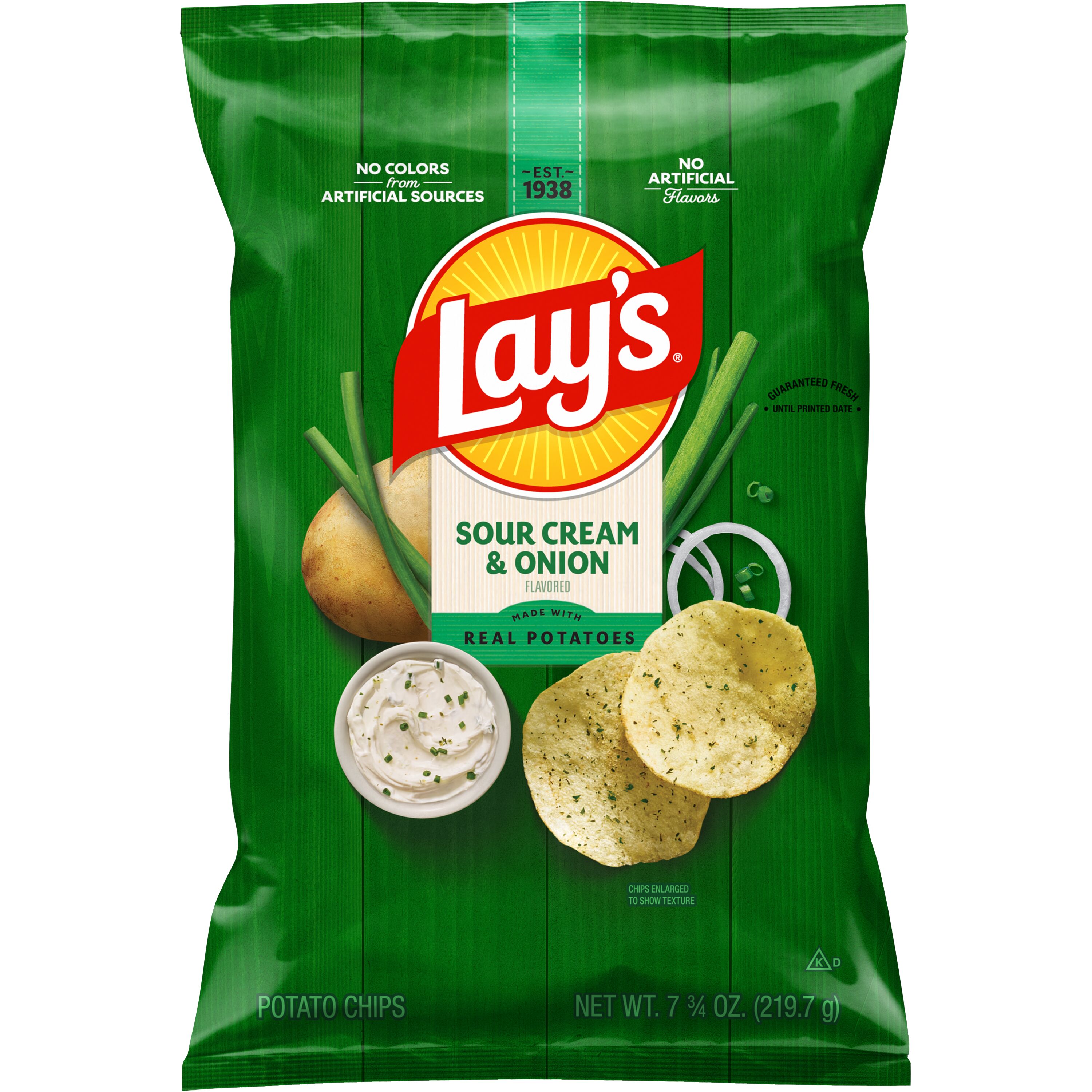

Sour Cream & Onion Chips
Summary
This product is heavily processed, which limits its healthiness despite having some beneficial ingredients like milk solids and onion powder. The presence of palm oil and added sugar contributes negatively to its nutritional profile, as these ingredients are linked to health concerns such as increased cholesterol and obesity. The high level of processing and inclusion of refined ingredients result in a lower score, despite the absence of artificial additives or dyes.
At a glance
Key ingredients 13
Dried Potato FlakesNeutral
Dried potato flakes are a processed form of potatoes used for convenience in food products. They retain some nutritional value of whole potatoes but lack the fiber and nutrients found in fresh potatoes. The processing method involves cooking, mashing, and drying, which can reduce some nutrient content.
Benefits
Provides carbohydrates and some vitamins and minerals present in potatoes.
Palm OilBad
Palm oil is a common cooking oil high in saturated fats, which can raise cholesterol levels. It is often criticized for its environmental impact due to deforestation. The refining process can also lead to the formation of harmful compounds.
Risks
High saturated fat content may contribute to heart disease if consumed in excess.
Benefits
Contains some vitamin E and carotenoids, which have antioxidant properties.
Tapioca StarchNeutral
Tapioca starch is a gluten-free thickening agent derived from cassava root. It is used to improve texture and consistency in food products. The extraction process involves washing and pulping the root, which removes most nutrients.
Benefits
Provides a gluten-free alternative for thickening and binding in recipes.
Milk SolidsGood
Milk solids are a concentrated source of milk nutrients, including proteins and calcium. They are used to enhance flavor and nutritional content in processed foods. The drying process retains most of the beneficial nutrients found in milk.
Risks
May cause allergic reactions in individuals with lactose intolerance or milk allergies.
Benefits
Rich in calcium and protein, supporting bone health and muscle maintenance.
Onion PowderGood
Onion powder is made from dehydrated onions and retains much of the flavor and some nutrients of fresh onions. It is used to add flavor without the moisture of fresh onions. The dehydration process preserves the beneficial compounds found in onions.
Benefits
Contains antioxidants and compounds that may support heart health.
Sour CreamNeutral
Sour cream is a fermented dairy product that adds creaminess and tangy flavor to foods. It contains fats and some vitamins like A and D. The fermentation process can enhance digestibility and probiotic content.
Risks
High in saturated fats, which may impact heart health if consumed in large amounts.
Benefits
Provides probiotics that may support gut health.
ButterNeutral
Butter is a dairy product rich in saturated fats and used for flavor and texture. It contains fat-soluble vitamins like A, D, and E. The churning process separates butterfat from buttermilk, concentrating the fat content.
Risks
High saturated fat content may contribute to heart disease if consumed excessively.
Benefits
Contains fat-soluble vitamins and provides a rich flavor to foods.
SugarBad
Sugar is a refined carbohydrate that provides sweetness and energy. Excessive consumption is linked to various health issues, including obesity and diabetes. It is often added to enhance flavor but offers no essential nutrients.
Risks
High intake can lead to weight gain, insulin resistance, and dental cavities.
ParsleyGood
Parsley is a fresh herb rich in vitamins A, C, and K, and used for flavor and garnish. It contains antioxidants and anti-inflammatory compounds. The drying process retains most of its beneficial nutrients.
Benefits
Rich in vitamins and antioxidants that support overall health.
SaltNeutral
Salt is a mineral used to enhance flavor and preserve foods. It is essential for maintaining fluid balance and nerve function. Excessive intake can lead to hypertension and cardiovascular issues.
Risks
High sodium intake is associated with increased blood pressure and heart disease risk.
Benefits
Essential for electrolyte balance and nerve function.
Malic AcidNeutral
Malic acid is a naturally occurring acid used to enhance tartness and flavor in foods. It is found in many fruits and is generally recognized as safe. The synthetic form is used in food processing for consistency.
Benefits
Enhances flavor and may improve the palatability of foods.
Citric AcidNeutral
Citric acid is a natural preservative and flavor enhancer found in citrus fruits. It is used to add acidity and preserve freshness in processed foods. The synthetic form is widely used in the food industry.
Benefits
Acts as a preservative and enhances flavor.
Yeast ExtractNeutral
Yeast extract is a flavor enhancer derived from yeast, rich in B vitamins and amino acids. It is used to add umami flavor to foods. The extraction process involves breaking down yeast cells to release their contents.
Risks
May contain naturally occurring glutamates, which can cause sensitivity in some individuals.
Benefits
Provides B vitamins and enhances flavor with umami notes.
Processing
Ultra-Processed Foods
Get the full breakdown in the Scout app
Scan any product to see lab results, healthy alternatives, and your personalized analysis.
Download on theApp Store