
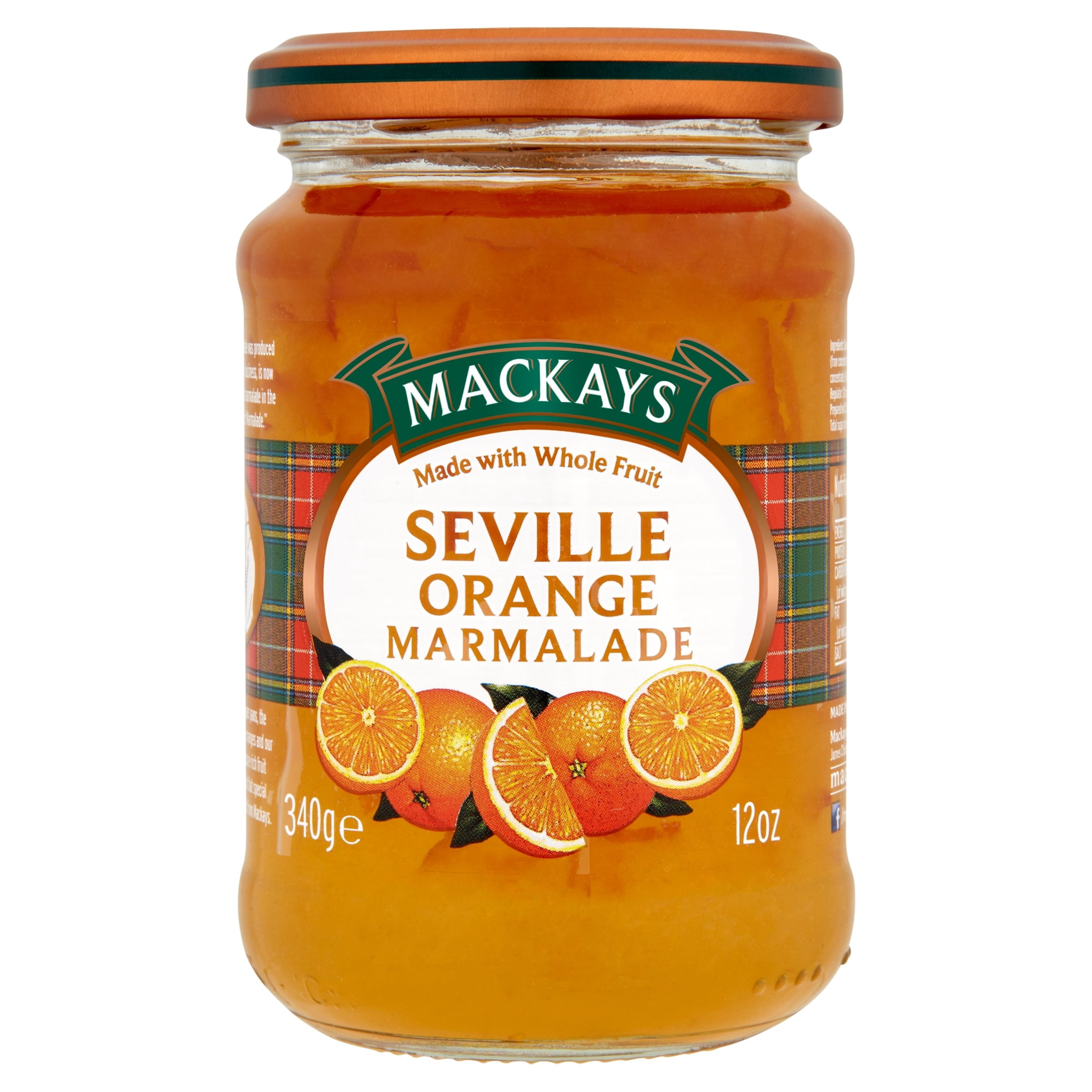



Mackays The Dundee Marmalade
Analysis updated April 2026 · How Scout scores
At a glance
Summary
This marmalade is heavily processed, containing a high amount of refined sugar, which contributes to its ultra-processed nature. While it includes natural ingredients like Seville oranges, the presence of additives such as citric acid and fruit pectin, along with the high sugar content, significantly impacts its healthiness. The processing level and the use of concentrated juices further reduce its nutritional value.
Key ingredients 7
Seville orangesGood
Seville oranges are a natural source of vitamin C and dietary fiber. They provide antioxidants that can help reduce inflammation and support immune function. The natural sugars in whole fruits are less likely to cause blood sugar spikes compared to refined sugars.
Benefits
Rich in vitamin C and antioxidants, supporting immune health and reducing oxidative stress.
Orange juice (from concentrate)Neutral
Orange juice from concentrate is a processed form of fruit juice that retains some vitamins and minerals. However, it lacks the fiber found in whole fruits and may contain added sugars. The concentration process can reduce the overall nutritional value compared to fresh juice.
Risks
May contribute to increased sugar intake if consumed in large quantities.
Benefits
Provides vitamin C and some antioxidants, though less than whole oranges.
Lemon juice (from concentrate)Neutral
Lemon juice from concentrate is a processed ingredient that provides vitamin C and citric acid. It is often used to enhance flavor and acidity in foods. The concentration process may reduce some of the nutritional benefits compared to fresh lemon juice.
Benefits
Contains vitamin C and citric acid, which can enhance flavor and aid digestion.
Fruit pectinNeutral
Fruit pectin is a natural gelling agent derived from fruits, commonly used in jams and jellies. It helps to thicken and stabilize the product without adding calories. Pectin is a soluble fiber that can aid in digestion and improve gut health.
Benefits
Acts as a soluble fiber that may support digestive health and improve gut microbiota.
Citric acidNeutral
Citric acid is a natural acidity regulator found in citrus fruits and used to enhance flavor and preserve foods. It is generally recognized as safe when used in food products. Citric acid can help improve the shelf life of products by preventing microbial growth.
Benefits
Enhances flavor and acts as a preservative by inhibiting microbial growth.
Orange oilNeutral
Orange oil is a natural flavoring derived from the peel of oranges, used to enhance the aroma and taste of food products. It contains limonene, which has antioxidant properties. The oil is extracted through cold pressing, preserving its natural compounds.
Benefits
Provides natural flavor and aroma, with potential antioxidant benefits from limonene.
SugarBad
Refined sugar is a high-calorie ingredient with no essential nutrients. It can contribute to weight gain and increase the risk of chronic diseases like type 2 diabetes and heart disease. Excessive consumption of sugar is linked to metabolic syndrome and dental cavities.
Risks
High intake of sugar can lead to obesity, insulin resistance, and increased risk of type 2 diabetes.
Processing
Ultra-Processed Foods
Get the full breakdown in the Scout appTake Scout shopping
Scan any product to see lab results, healthy alternatives, and your personalized analysis.
Download on theApp Store GET IT ONGoogle PlayAmazon pricing & content
Amazon price as of . Product prices and availability are accurate as of the date/time indicated and are subject to change. Any price and availability information displayed on Amazon.com at the time of purchase will apply to the purchase of this product.
CERTAIN CONTENT THAT APPEARS ON THIS SITE COMES FROM AMAZON. THIS CONTENT IS PROVIDED “AS IS” AND IS SUBJECT TO CHANGE OR REMOVAL AT ANY TIME.