


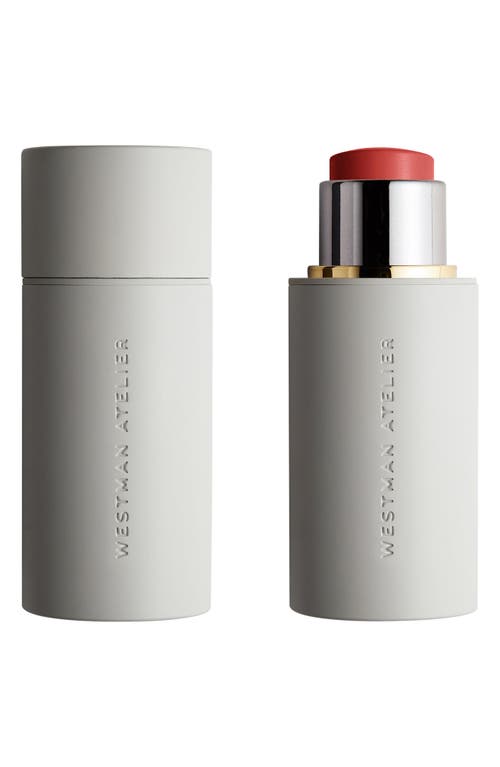


Too Faced Cloud Crush Whipped Lip & Cheek Blush, Size: 0.15 FL Oz, Milk And Cookies
Analysis updated October 2026 · How Scout scores
At a glance
Summary
This blush contains beneficial ingredients like sodium hyaluronate, tocopheryl acetate, and castor seed oil, which provide hydration and antioxidant benefits. However, the presence of synthetic fragrance, which can be an irritant, and several synthetic colorants slightly detracts from its overall safety profile. The product is moderately processed, with a mix of natural and synthetic components.
Key ingredients 25
Ricinus Communis (Castor) Seed OilVery Good
Castor Seed Oil is a natural oil known for its moisturizing properties. It helps to nourish and condition the skin, making it soft and supple. It is generally safe and beneficial for most skin types.
Risks
May cause mild irritation in rare cases.
Benefits
Deeply moisturizes and conditions the skin.
Sodium HyaluronateGood
Sodium Hyaluronate is a form of hyaluronic acid that provides excellent hydration by attracting moisture to the skin. It is highly beneficial for maintaining skin elasticity and smoothness. It is well-tolerated by most skin types.
Risks
Generally considered safe with minimal risks.
Benefits
Provides deep hydration and improves skin elasticity.
Tocopheryl AcetateGood
Tocopheryl Acetate is a form of Vitamin E that acts as an antioxidant. It helps to protect the skin from free radical damage and supports skin health. It is generally well-tolerated and beneficial for most skin types.
Risks
Rarely, it may cause mild irritation in very sensitive skin.
Benefits
Acts as an antioxidant and supports skin health.
Methyl TrimethiconeNeutral
Methyl Trimethicone is a volatile silicone that helps to improve the spreadability of the product. It evaporates quickly, leaving a smooth finish. It is generally considered safe but can cause irritation in sensitive individuals.
Risks
Potential for irritation in sensitive skin types.
Benefits
Provides a smooth, non-greasy finish.
Polyglyceryl-2 TriisostearateNeutral
This ingredient is an emulsifier that helps to blend oil and water components. It is derived from natural sources and is generally considered safe. However, it may cause mild irritation in some individuals.
Risks
Possible mild irritation for sensitive skin.
Benefits
Helps to stabilize the product formulation.
Phenyl TrimethiconeNeutral
Phenyl Trimethicone is a silicone that provides a glossy finish and improves spreadability. It is non-comedogenic and safe for most skin types. However, it may cause build-up with prolonged use.
Risks
Can lead to product build-up on the skin.
Benefits
Enhances shine and spreadability.
IsododecaneNeutral
Isododecane is a hydrocarbon used for its lightweight and non-greasy feel. It helps to improve the spreadability of the product. It is generally safe but can cause dryness with prolonged use.
Risks
May cause dryness if used excessively.
Benefits
Provides a lightweight, non-greasy feel.
Cetyl Peg/Ppg-10/1 DimethiconeNeutral
This is a silicone-based emulsifier that helps to blend ingredients. It is generally considered safe for use in cosmetics. However, it may cause mild irritation in sensitive individuals.
Risks
Potential for mild irritation in sensitive skin.
Benefits
Improves the stability and texture of the product.
Pentylene GlycolNeutral
Pentylene Glycol is a synthetic humectant that helps to retain moisture in the skin. It is generally safe and non-irritating. However, it may cause mild irritation in very sensitive skin.
Risks
Possible mild irritation for very sensitive skin.
Benefits
Helps to retain moisture and improve skin hydration.
SilicaNeutral
Silica is a mineral used for its oil-absorbing properties and to improve the texture of the product. It is generally safe but can be drying for some skin types.
Risks
May cause dryness in some skin types.
Benefits
Improves texture and absorbs excess oil.
Caprylyl GlycolNeutral
Caprylyl Glycol is a skin-conditioning agent that helps to improve the texture of the product. It also has antimicrobial properties that can enhance product preservation. It is generally safe but may cause mild irritation in sensitive skin.
Risks
Possible mild irritation for sensitive skin.
Benefits
Improves product texture and has antimicrobial properties.
Silica SilylateNeutral
Silica Silylate is used to enhance the texture and mattifying effect of the product. It is generally considered safe for use in cosmetics. However, it may cause dryness in some skin types.
Risks
May cause dryness in some skin types.
Benefits
Enhances texture and provides a mattifying effect.
Sorbitan OlivateNeutral
Sorbitan Olivate is an emulsifier derived from olive oil that helps to blend ingredients. It is generally safe and well-tolerated. However, it may cause mild irritation in very sensitive skin.
Risks
Possible mild irritation for very sensitive skin.
Benefits
Helps to blend ingredients and stabilize the formulation.
Caproic AcidNeutral
Caproic Acid is a fatty acid used for its emollient properties. It helps to soften and smooth the skin. It is generally safe but may cause mild irritation in sensitive individuals.
Risks
Potential for mild irritation in sensitive skin.
Benefits
Softens and smooths the skin.
Titanium Dioxide (CI 77891)Neutral
Titanium Dioxide is a mineral used as a pigment and UV filter. It is generally considered safe and non-irritating. However, inhalation of its powder form can be harmful.
Risks
Inhalation of powder form can be harmful.
Benefits
Provides pigmentation and UV protection.
Iron Oxides (CI 77491, CI 77492, CI 77499)Neutral
Iron Oxides are used as pigments in cosmetics. They are generally considered safe and non-irritating. However, they may cause mild irritation in very sensitive skin.
Risks
Possible mild irritation for very sensitive skin.
Benefits
Provide pigmentation and color to the product.
Blue 1 Lake (CI 42090)Neutral
Blue 1 Lake is a synthetic dye used for coloring cosmetics. It is generally considered safe for use in cosmetics. However, it may cause mild irritation in sensitive individuals.
Risks
May cause mild irritation in sensitive skin.
Benefits
Provides vibrant color to the product.
Red 7 Lake (CI 15850)Neutral
Red 7 Lake is a synthetic dye used for coloring cosmetics. It is generally considered safe for use in cosmetics. However, it may cause mild irritation in sensitive individuals.
Risks
May cause mild irritation in sensitive skin.
Benefits
Provides vibrant color to the product.
Red 28 Lake (CI 45410)Neutral
Red 28 Lake is a synthetic dye used for coloring cosmetics. It is generally considered safe for use in cosmetics. However, it may cause mild irritation in sensitive individuals.
Risks
May cause mild irritation in sensitive skin.
Benefits
Provides vibrant color to the product.
Yellow 5 Lake (CI 19140)Neutral
Yellow 5 Lake is a synthetic dye used for coloring cosmetics. It is generally considered safe for use in cosmetics. However, it may cause mild irritation in sensitive individuals.
Risks
May cause mild irritation in sensitive skin.
Benefits
Provides vibrant color to the product.
Yellow 6 Lake (CI 15985)Neutral
Yellow 6 Lake is a synthetic dye used for coloring cosmetics. It is generally considered safe for use in cosmetics. However, it may cause mild irritation in sensitive individuals.
Risks
May cause mild irritation in sensitive skin.
Benefits
Provides vibrant color to the product.
DimethiconeBad
Occlusive silicone film-former — flagged under clean-beauty doctrine.
Risks
May cause breakouts in sensitive skin by trapping impurities.
Benefits
Provides a smooth application and helps to lock in moisture.
Dimethicone/Vinyl Dimethicone CrosspolymerBad
Processed additive flagged under Scout's ingredient doctrine.
Risks
May lead to product build-up on the skin over time.
Benefits
Improves the texture and spreadability of the product.
Benzyl AlcoholBad
Processed additive flagged under Scout's ingredient doctrine.
Risks
May cause irritation in sensitive skin.
Benefits
Acts as a preservative and prevents microbial growth.
Fragrance (Parfum)Very Bad
Fragrance is used to impart scent to the product but can be a common irritant. It may cause allergic reactions or irritation, especially in sensitive individuals. It is often criticized for its potential to cause skin sensitivity.
Risks
Can cause allergic reactions or irritation.
Benefits
Provides a pleasant scent to the product.
Get the full breakdown in the Scout appTake Scout shopping
Scan any product to see lab results, healthy alternatives, and your personalized analysis.
Download on theApp Store GET IT ONGoogle PlayAmazon pricing & content
Amazon price as of . Product prices and availability are accurate as of the date/time indicated and are subject to change. Any price and availability information displayed on Amazon.com at the time of purchase will apply to the purchase of this product.
CERTAIN CONTENT THAT APPEARS ON THIS SITE COMES FROM AMAZON. THIS CONTENT IS PROVIDED “AS IS” AND IS SUBJECT TO CHANGE OR REMOVAL AT ANY TIME.