

Parmesan cheese
Summary
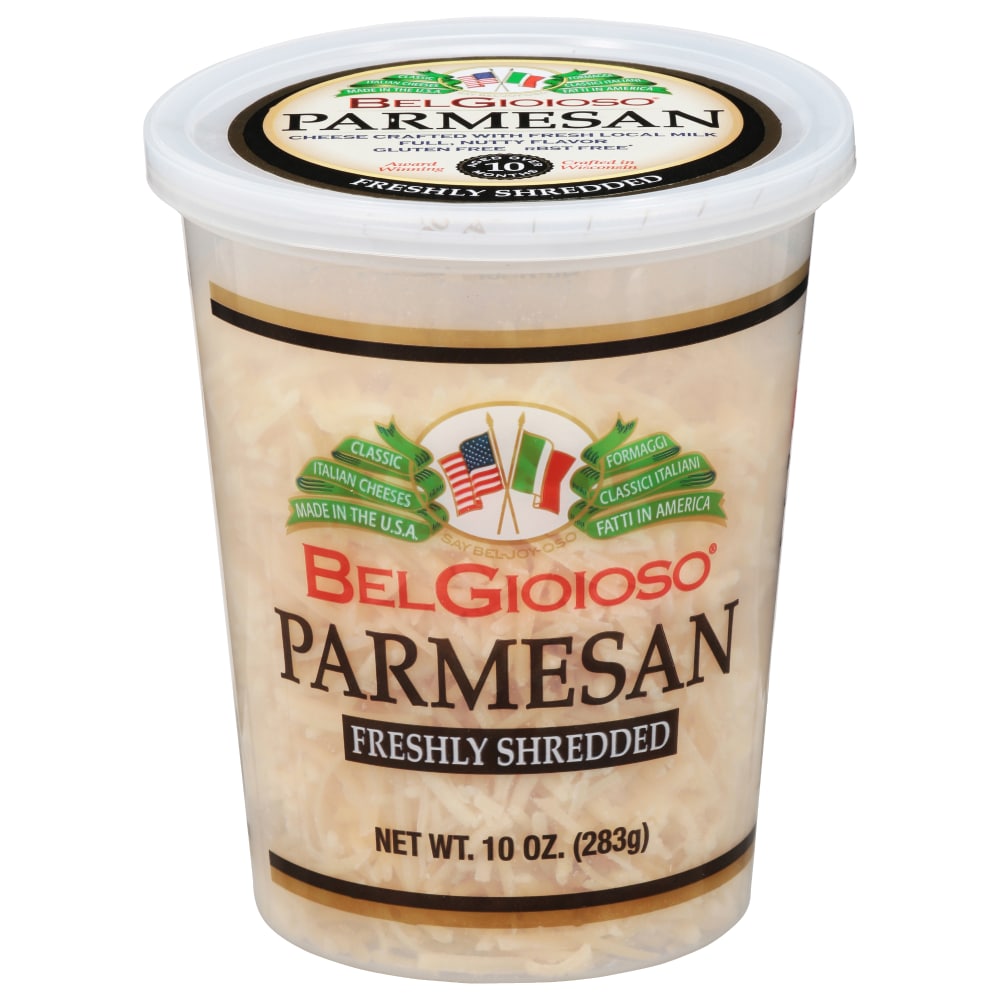
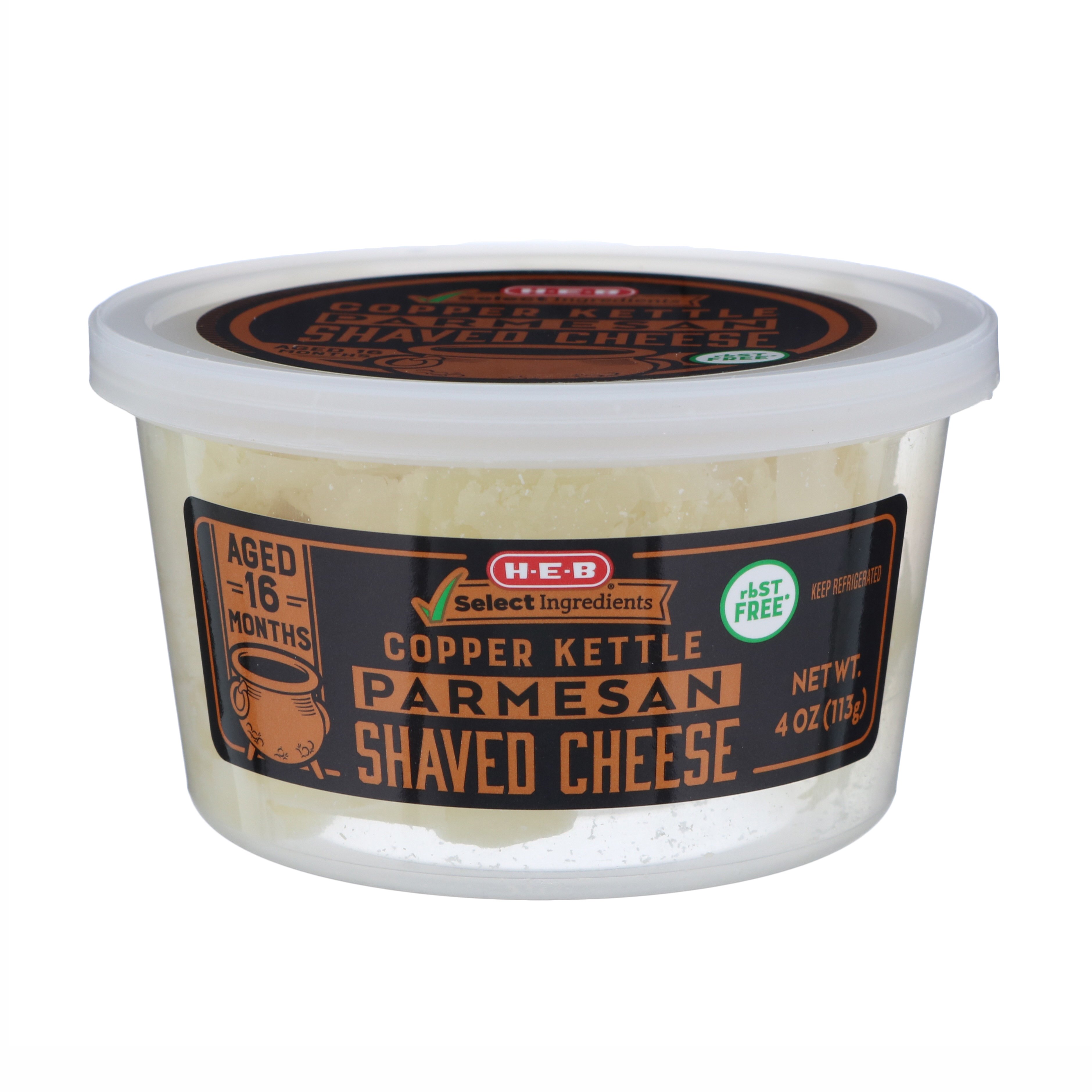
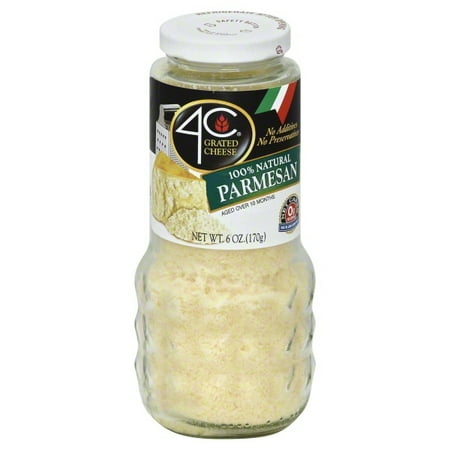
This Parmesan cheese is moderately processed, containing both beneficial and less desirable ingredients. While it includes high-quality components like partially skimmed milk and bacterial cultures, it also contains additives such as powdered cellulose and natamycin, which are used for anti-caking and preservation. These additives, along with the processing level, limit the product's score despite its nutritional benefits like high protein and calcium content.
At a glance
Key ingredients 9
Partially Skimmed MilkGood
Partially skimmed milk is a primary ingredient in cheese, providing essential nutrients like calcium and protein. It is less processed than other milk derivatives, retaining more natural nutrients. The reduction in fat content can be beneficial for those monitoring fat intake.
Benefits
Rich in calcium and protein, supporting bone health and muscle maintenance.
SaltNeutral
Salt is used in cheese making for flavor and preservation. It is a natural ingredient but can contribute to high sodium intake if consumed excessively. In cheese, it helps control moisture and texture.
Risks
Excessive consumption can lead to high blood pressure and cardiovascular issues.
Benefits
Enhances flavor and acts as a preservative in cheese.
Modified Milk IngredientsNeutral
Modified milk ingredients are used to standardize cheese texture and flavor. They are processed derivatives of milk, which may include milk solids or fats. While they provide similar nutrients to milk, they are more processed.
Risks
May contain additives or undergo processing that reduces natural nutrient content.
Benefits
Provides similar nutritional benefits to milk, such as calcium and protein.
Bacterial CultureGood
Bacterial cultures are essential for cheese fermentation, contributing to flavor and texture. They are natural and beneficial for gut health. The fermentation process enhances nutrient absorption.
Benefits
Supports gut health and aids in digestion through probiotic effects.
Calcium ChlorideNeutral
Calcium chloride is used in cheese making to improve curd formation. It is a common additive that helps maintain cheese texture. While it is generally safe, it is an added mineral salt.
Risks
Excessive intake can lead to hypercalcemia, but this is unlikely from cheese consumption alone.
Benefits
Improves cheese texture and aids in the cheese-making process.
Microbial EnzymeNeutral
Microbial enzymes are used as a vegetarian alternative to animal rennet in cheese making. They are derived from microorganisms and help coagulate milk. This process is essential for cheese production.
Benefits
Allows for cheese production without animal-derived rennet, suitable for vegetarians.
LipaseNeutral
Lipase is an enzyme that enhances the flavor profile of cheese. It is naturally occurring and used to break down fats during cheese aging. This contributes to the characteristic taste of parmesan.
Benefits
Enhances flavor development in aged cheeses like parmesan.
Powdered CelluloseBad
Powdered cellulose is used as an anti-caking agent in shredded cheese products. It is derived from plant fibers but is highly processed. While it prevents clumping, it adds no nutritional value.
Risks
May cause digestive issues if consumed in large quantities due to its fiber content.
Benefits
Prevents clumping in shredded cheese, maintaining product quality.
NatamycinBad
Natamycin is a preservative used to prevent mold growth on cheese surfaces. It is a natural antifungal agent but is still an additive. While effective, it is not necessary for all cheese types.
Risks
Potential for allergic reactions in sensitive individuals.
Benefits
Prevents spoilage and extends shelf life by inhibiting mold growth.
Processing
Processed Foods
Get the full breakdown in the Scout app
Scan any product to see lab results, healthy alternatives, and your personalized analysis.
Download on theApp Store