


At a glance
Summary
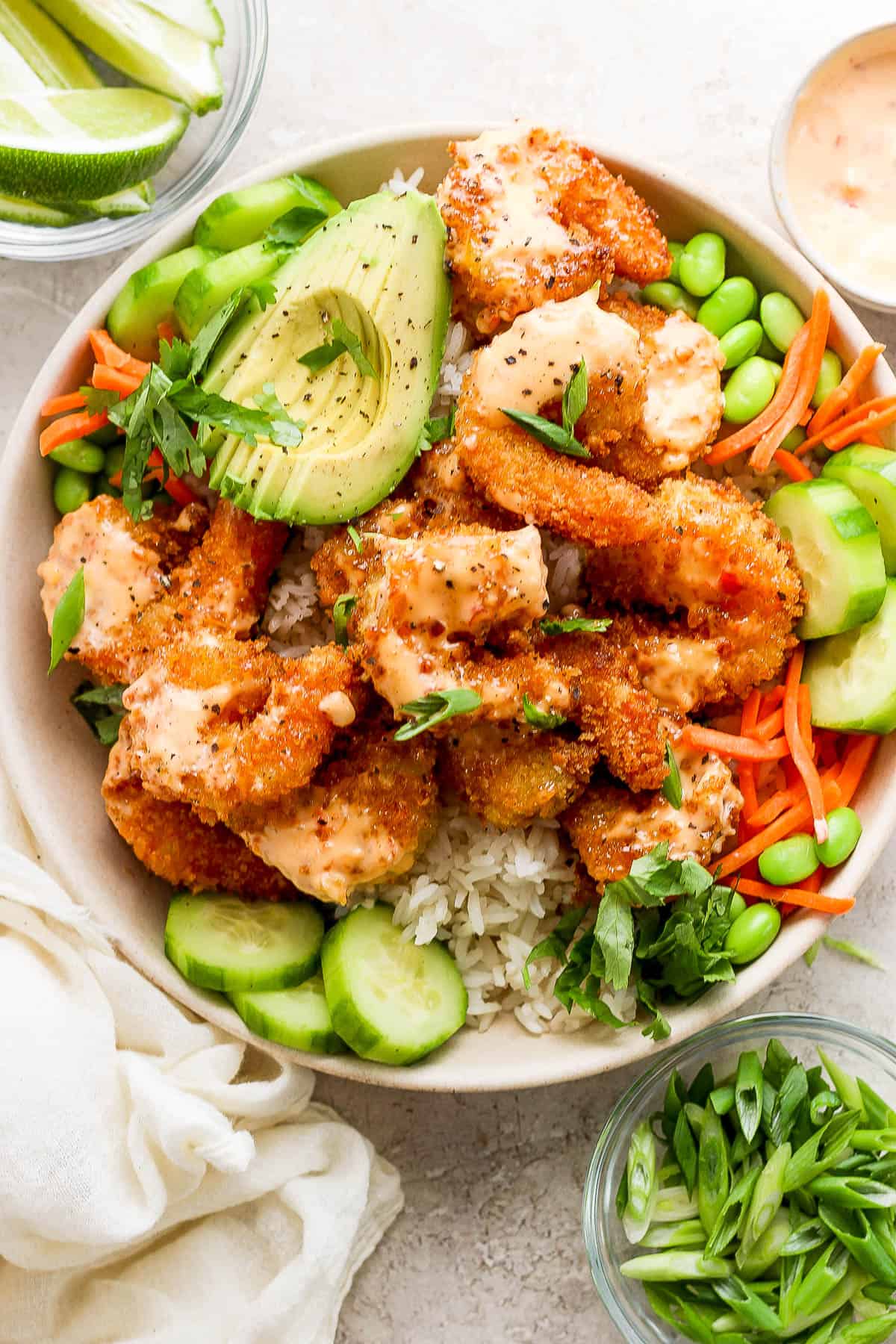
The Crunchy Shrimp Bowl contains beneficial ingredients like shrimp, green leaf lettuce, and avocado, which provide high-quality protein, healthy fats, and essential nutrients. However, the presence of added sugars and the processed nature of the product limit its score. While the ingredient list is relatively clean, the processing level and inclusion of sugar prevent it from achieving a higher rating.
Key ingredients 11
AvocadoVery Good
Avocado is a nutrient-dense fruit high in healthy monounsaturated fats, which support heart health. It is also rich in fiber, vitamins, and minerals, including potassium and vitamin E. Its creamy texture and nutrient profile make it a beneficial addition to meals.
Benefits
Supports heart health and provides essential nutrients and healthy fats.
ShrimpGood
Shrimp is a low-calorie source of high-quality protein and essential nutrients like selenium and vitamin B12. It is also rich in omega-3 fatty acids, which support heart health. As a seafood, it provides a lean protein option with beneficial fats.
Risks
Potential allergen for some individuals and may contain trace amounts of mercury.
Benefits
Rich in protein and omega-3 fatty acids, supporting heart and brain health.
Green Leaf LettuceGood
Green leaf lettuce is a low-calorie vegetable rich in vitamins A and K, as well as folate. It provides dietary fiber, which aids digestion and promotes satiety. As a leafy green, it contributes to a balanced diet with essential nutrients.
Benefits
Rich in vitamins and fiber, supporting overall health and digestion.
Sushi RiceNeutral
Sushi rice is a refined carbohydrate that provides energy but lacks fiber and micronutrients. It is typically seasoned with vinegar and sugar, which can increase its glycemic index. While it is a staple in sushi dishes, it offers limited nutritional benefits.
Risks
High glycemic index may lead to rapid blood sugar spikes.
Benefits
Provides a source of energy and is a traditional component of sushi dishes.
White RiceNeutral
White rice is a refined grain that is low in fiber and nutrients compared to whole grains. It is often used as a base in many dishes due to its neutral flavor and texture. While it is easy to digest, it lacks the nutritional benefits of whole grains.
Risks
May contribute to blood sugar spikes due to its high glycemic index.
Benefits
Provides a quick source of energy and is easily digestible.
WaterNeutral
Water is essential for hydration and is a fundamental component of many foods. It has no calories or nutrients but is crucial for maintaining bodily functions. In this context, it is used in cooking rice and other ingredients.
Benefits
Essential for hydration and supports various bodily functions.
SaltNeutral
Salt is used to enhance flavor and preserve food. While it is necessary for bodily functions, excessive intake can lead to health issues like hypertension. In this product, it is used in moderation to season the dish.
Risks
Excessive consumption may lead to high blood pressure and cardiovascular issues.
Benefits
Enhances flavor and is essential for maintaining electrolyte balance.
VinegarNeutral
Vinegar is used for flavoring and preserving food, with potential benefits for blood sugar control. It is low in calories and adds acidity to dishes. While it has some health benefits, its primary role is culinary.
Risks
Excessive consumption may cause digestive discomfort.
Benefits
May help with blood sugar regulation and adds flavor to dishes.
Grain VinegarNeutral
Grain vinegar is used for its acidic flavor and preservative qualities. It is low in calories and can enhance the taste of dishes. While it has some culinary benefits, it does not provide significant nutritional value.
Risks
Excessive consumption may cause digestive discomfort.
Benefits
Adds flavor and acts as a preservative in foods.
SugarBad
Sugar is a refined carbohydrate that provides quick energy but lacks nutritional value. Excessive consumption can lead to health issues such as obesity and diabetes. It is used to enhance flavor but should be consumed in moderation.
Risks
High intake can contribute to obesity, diabetes, and dental issues.
Benefits
Provides quick energy but lacks significant nutritional benefits.
Brown SugarBad
Processed additive flagged under Scout's ingredient doctrine.
Risks
Excessive consumption can lead to weight gain and metabolic issues.
Benefits
Provides a richer flavor than white sugar but offers minimal nutritional benefits.
Processing
Processed Foods
Get the full breakdown in the Scout appTake Scout shopping
Scan any product to see lab results, healthy alternatives, and your personalized analysis.
Download on theApp Store GET IT ONGoogle Play