

At a glance
Summary
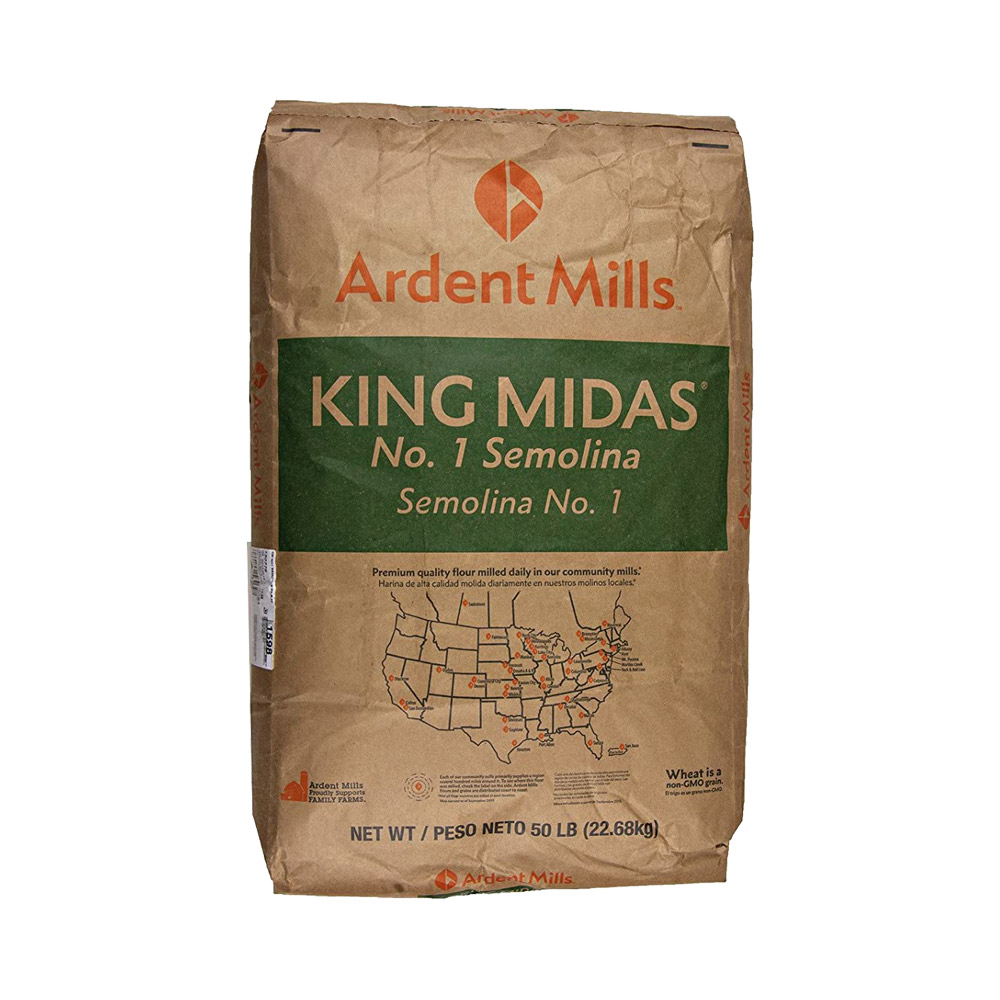
This semolina flour is a processed culinary ingredient with added vitamins and minerals, which enhances its nutritional profile. However, it is not a whole food and involves moderate processing, which slightly reduces its score. The absence of harmful additives or seed oils is a positive aspect, contributing to a relatively clean label.
Key ingredients 7
NiacinGood
Beneficial ingredient — whole-food or functional value in this product class.
See more about Niacin →RiboflavinGood
Essential B vitamin — beneficial micronutrient.
See more about Riboflavin →SemolinaNeutral
Coarse flour derived from durum wheat, commonly used in pasta and certain baked goods, providing complex carbohydrates.
See more about Semolina →WheatNeutral
Cereal grain that provides the base structure and gluten for the semolina flour.
See more about Wheat →Ferrous SulfateNeutral
Iron compound used to enrich flour and help prevent iron deficiency anemia.
See more about Ferrous Sulfate →Thiamine MononitrateNeutral
Form of Vitamin B1 added to enriched flours to support energy metabolism and nervous system function.
See more about Thiamine Mononitrate →Folic AcidNeutral
Synthetic form of folate added to enriched grain products to support cell growth and development.
See more about Folic Acid →Processing
Processed Culinary Ingredients
Get the full breakdown in the Scout appTake Scout shopping
Scan any product to see lab results, healthy alternatives, and your personalized analysis.
Download on theApp Store GET IT ONGoogle Play