
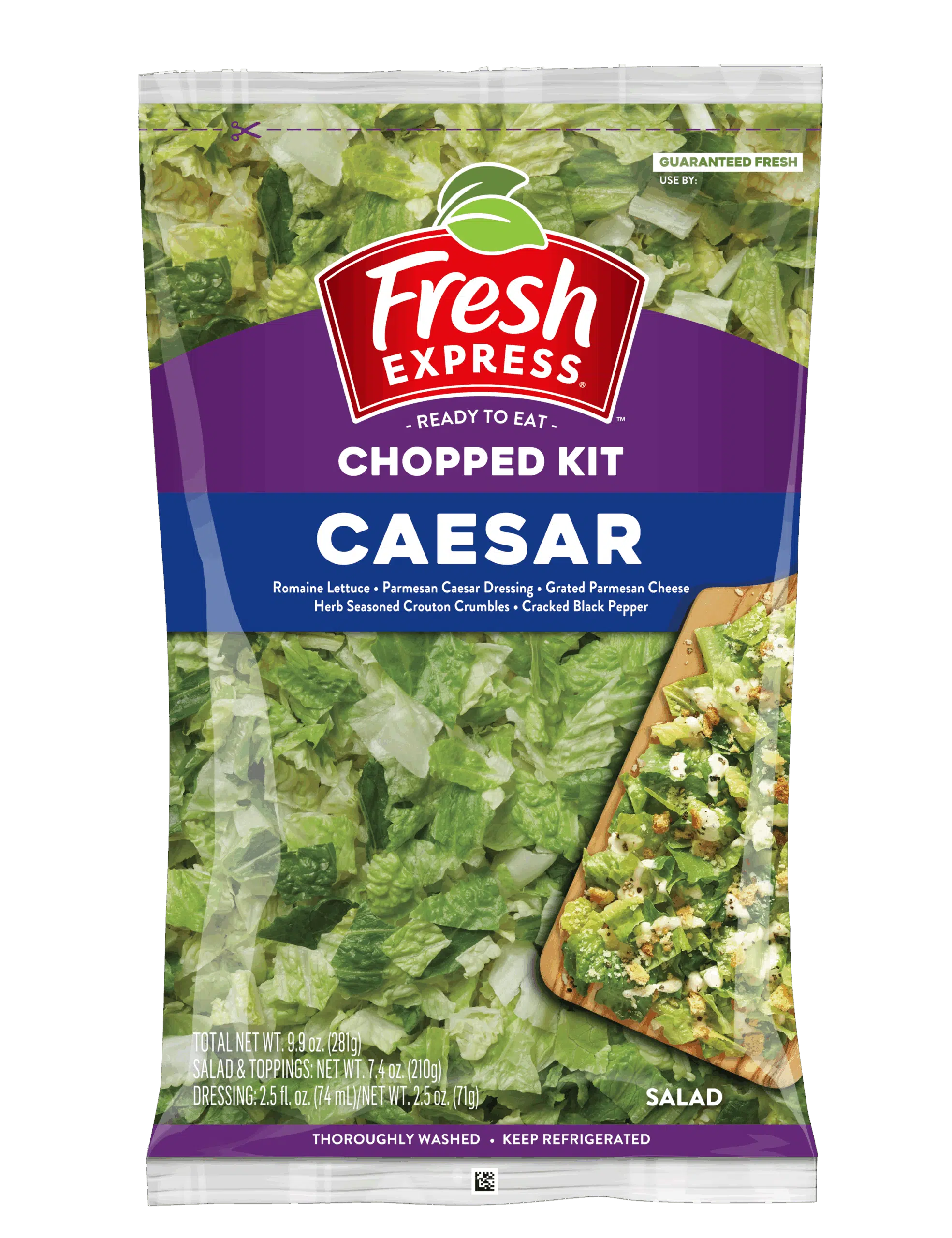

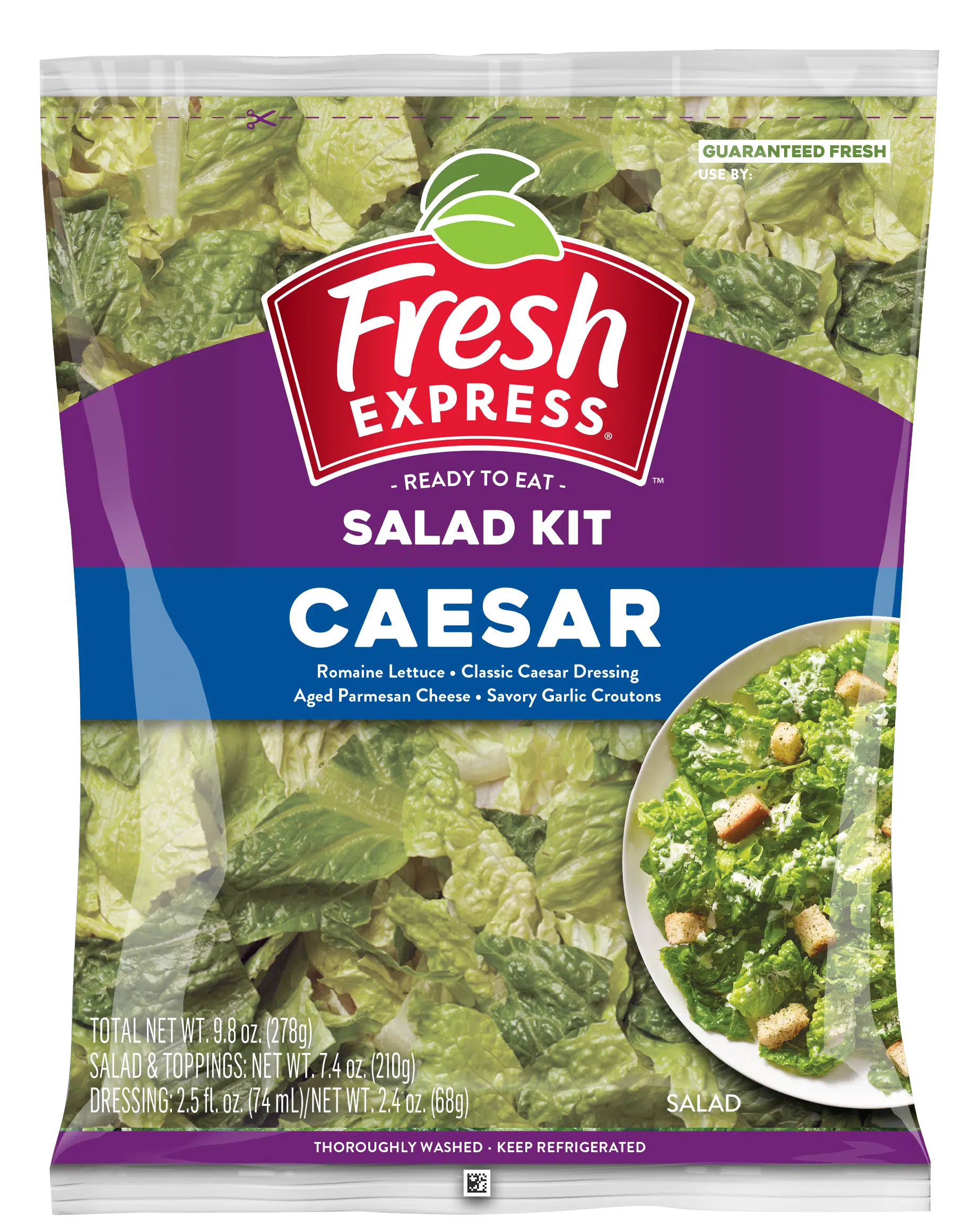

Caesar Chopped Salad Kit
Summary
The Caesar Chopped Salad Kit contains beneficial ingredients like romaine lettuce, parmesan cheese, and eggs, which provide essential nutrients and are minimally processed. However, the presence of highly processed seed oils such as soybean and canola oil significantly impacts the product's healthiness due to their potential inflammatory effects. The overall processing level of the salad kit also contributes to a moderate score, as it limits the potential for a higher rating despite the presence of some whole food ingredients.
At a glance
Key ingredients 11
Romaine LettuceVery Good
Romaine lettuce is a fresh, unprocessed vegetable rich in vitamins and minerals. It provides dietary fiber and essential nutrients like vitamin K and folate. As a whole food, it is minimally processed and contributes positively to a balanced diet.
Benefits
Rich in vitamins A and K, and provides dietary fiber which supports digestive health.
Caesar DressingNeutral
Caesar dressing is a processed condiment that typically contains a mix of oils, cheese, and seasonings. It can be high in calories and fats, depending on the formulation. While it adds flavor, it should be consumed in moderation due to its potential high fat content.
Risks
May contain high levels of sodium and fats, which could be a concern if consumed in large quantities.
Benefits
Adds flavor and creaminess to salads, enhancing palatability.
Soybean OilVery Bad
Soybean oil is a seed oil high in omega-6 fatty acids, which can promote inflammation if consumed excessively. It is often extracted using chemical solvents, which may affect its purity. Compared to healthier oils, it lacks beneficial monounsaturated fats.
Risks
High omega-6 content may promote inflammation when consumed in excess.
Canola OilVery Bad
Canola oil is a seed oil that is often highly processed and refined. It contains omega-6 fatty acids, which can be inflammatory in high amounts. The refining process may involve chemical solvents, impacting its nutritional quality.
Risks
High omega-6 content may promote inflammation when consumed in excess.
WaterNeutral
Water is a neutral ingredient used as a solvent or to adjust consistency in food products. It does not contribute calories or nutrients. Its presence is essential for hydration but does not impact the nutritional profile of the product.
Benefits
Essential for hydration but does not provide additional nutritional benefits in this context.
Parmesan CheeseGood
Parmesan cheese is a flavorful, aged cheese that provides protein and calcium. It is made from milk and cultures, offering a rich source of nutrients. Its aging process enhances flavor and digestibility.
Risks
May contain high levels of sodium, which could be a concern for those monitoring salt intake.
Benefits
Rich in calcium and protein, supporting bone health and muscle maintenance.
Pasteurized MilkNeutral
Pasteurized milk is a common dairy ingredient that provides calcium and protein. The pasteurization process ensures safety by eliminating harmful bacteria. It is a staple in many diets but should be consumed in moderation due to lactose content.
Risks
May cause digestive issues for those with lactose intolerance.
Benefits
Provides essential nutrients like calcium and protein, supporting bone health.
Cheese CulturesNeutral
Cheese cultures are bacteria used in the fermentation process to develop flavor and texture in cheese. They are essential for cheese production but do not contribute significant nutritional value. Their role is primarily functional in cheese making.
Benefits
Essential for developing the flavor and texture of cheese.
SaltNeutral
Salt is used as a seasoning and preservative in food products. It enhances flavor but should be consumed in moderation to avoid health issues like hypertension. Its presence is common in processed foods.
Risks
Excessive consumption can lead to high blood pressure and cardiovascular issues.
Benefits
Enhances flavor and acts as a preservative.
EnzymesNeutral
Enzymes are used in cheese making to aid in the coagulation of milk. They are essential for the cheese production process but do not contribute nutritional value. Their role is primarily functional in transforming milk into cheese.
Benefits
Essential for the cheese-making process, aiding in milk coagulation.
EggGood
Eggs are a high-quality protein source rich in essential amino acids and nutrients like choline. They provide a complete protein profile and are versatile in culinary applications. Eggs are minimally processed and contribute positively to a balanced diet.
Risks
May cause allergic reactions in some individuals.
Benefits
Rich in high-quality protein and essential nutrients like choline, supporting brain health.
Processing
Processed Foods
Get the full breakdown in the Scout app
Scan any product to see lab results, healthy alternatives, and your personalized analysis.
Download on theApp Store