

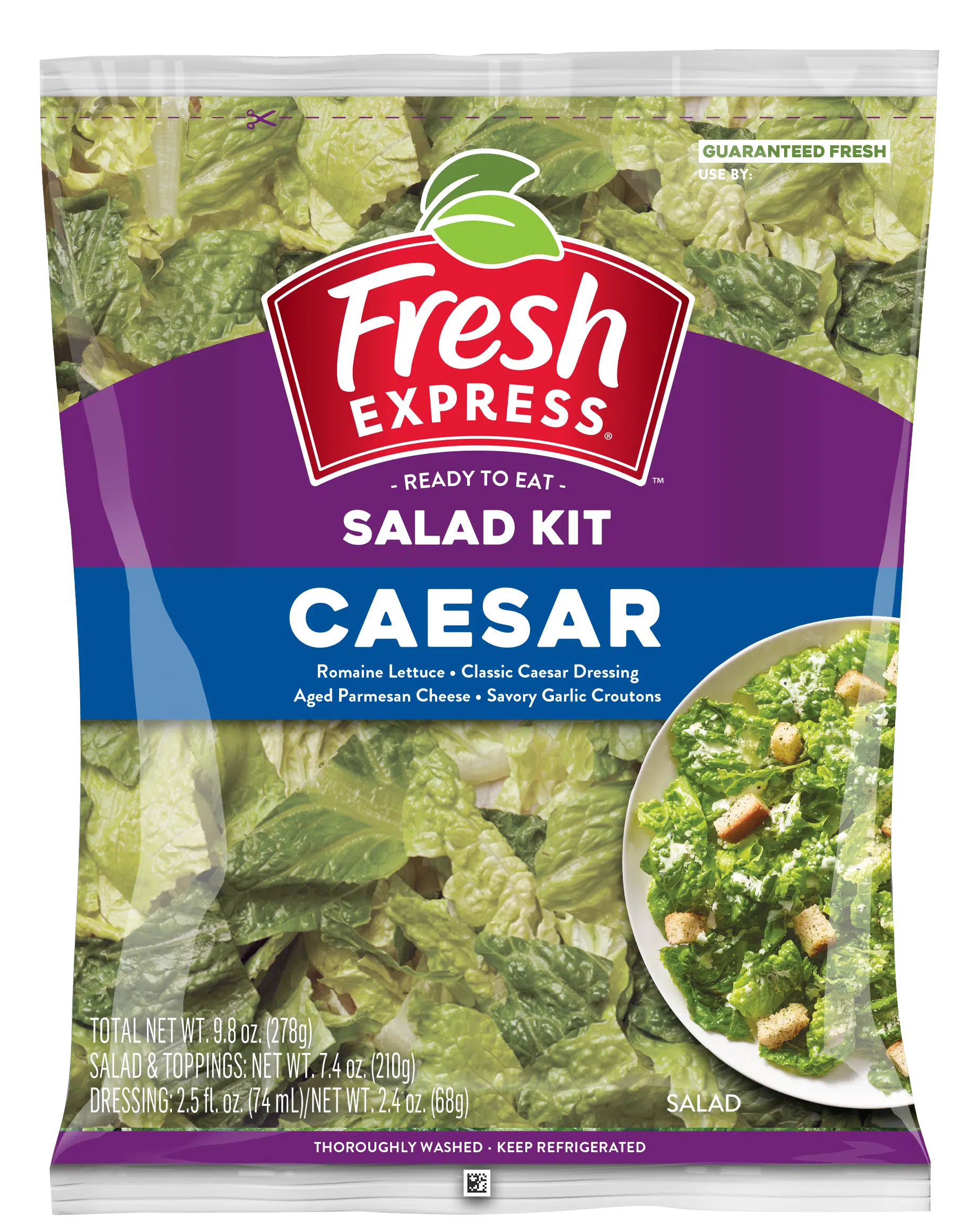


PBX Chicken Caesar Salad
Analysis updated September 2026 · How Scout scores
At a glance
Summary
The salad contains beneficial ingredients like romaine lettuce, chicken breast, and parmesan cheese, which provide essential nutrients and support a balanced diet. However, the presence of canola oil, a seed oil high in omega-6 fatty acids, and additives like carrageenan and natural flavors, which are associated with potential health concerns, negatively impact the overall healthiness of the product. Additionally, the inclusion of sugar and other processed components in the dressing and croutons contributes to a higher level of processing, reducing the product's nutritional quality.
Key ingredients 10
Romaine LettuceGood
Romaine lettuce is a low-calorie vegetable rich in vitamins A and K. It provides dietary fiber and antioxidants that support overall health. As a fresh, unprocessed ingredient, it contributes positively to a balanced diet.
Benefits
Rich in vitamins A and K, which are essential for vision and bone health. Provides dietary fiber that aids in digestion.
Chicken BreastGood
Chicken breast is a high-quality source of lean protein, essential for muscle growth and repair. It is low in fat and provides important nutrients like B vitamins and selenium. When cooked properly, it is a nutritious component of a balanced diet.
Risks
Potential risk of bacterial contamination if not cooked properly.
Benefits
Excellent source of lean protein, supporting muscle maintenance and growth. Provides essential nutrients like B vitamins and selenium.
Parmesan CheeseGood
Parmesan cheese is a flavorful cheese rich in calcium and protein. It is aged, which enhances its flavor and digestibility. As a source of calcium, it supports bone health.
Risks
Contains lactose, which may be a concern for those with lactose intolerance.
Benefits
Rich in calcium and protein, supporting bone health and muscle function.
Egg YolkGood
Egg yolk is a nutrient-dense food rich in vitamins, minerals, and healthy fats. It contains choline, which is important for brain health. As a whole food ingredient, it contributes positively to a balanced diet.
Risks
Contains cholesterol, which may be a concern for individuals with specific dietary restrictions.
Benefits
Rich in vitamins, minerals, and choline, supporting brain health and overall nutrition.
Xanthan GumNeutral
Xanthan gum is a common food additive used as a thickener and stabilizer. It is produced through fermentation and is generally recognized as safe. While it does not provide nutritional benefits, it improves texture and consistency in foods.
Risks
May cause digestive discomfort in large amounts for some individuals.
Benefits
Improves texture and consistency in foods without adding calories.
SaltNeutral
Salt is a common seasoning that enhances flavor but provides no nutritional benefits beyond sodium. It is essential for bodily functions but should be consumed in moderation. Excessive intake can lead to health issues like hypertension.
Risks
Excessive intake can lead to hypertension and cardiovascular issues.
Benefits
Essential for maintaining fluid balance and nerve function.
Natural FlavorsBad
Natural flavors are a catch-all term for flavoring agents that can include a wide range of substances. They are often highly processed and lack transparency in their composition. Compared to whole food ingredients, they offer no nutritional benefits.
Risks
Lack of transparency in composition may pose allergy risks for sensitive individuals.
CarrageenanBad
Carrageenan is a food additive used for thickening and stabilizing. It has been associated with digestive issues and inflammation in some studies. Compared to natural thickeners, it may pose more health concerns.
Risks
May cause digestive issues and inflammation in sensitive individuals.
SugarBad
Sugar is a refined carbohydrate that provides quick energy but lacks essential nutrients. Excessive consumption is linked to various health issues, including obesity and diabetes. Compared to natural sweeteners, it offers no health benefits.
Risks
Linked to obesity, diabetes, and other metabolic disorders when consumed in excess.
Benefits
Provides quick energy but lacks essential nutrients.
Canola OilVery Bad
Canola oil is a seed oil high in omega-6 fatty acids, which can promote inflammation when consumed in excess. It is often highly processed, which may reduce its nutritional quality. Compared to healthier oils like olive oil, it is less beneficial.
Risks
High omega-6 content may promote inflammation when consumed in excess.
Processing
Unprocessed or Minimally Processed Foods
Get the full breakdown in the Scout appTake Scout shopping
Scan any product to see lab results, healthy alternatives, and your personalized analysis.
Download on theApp Store GET IT ONGoogle Play