
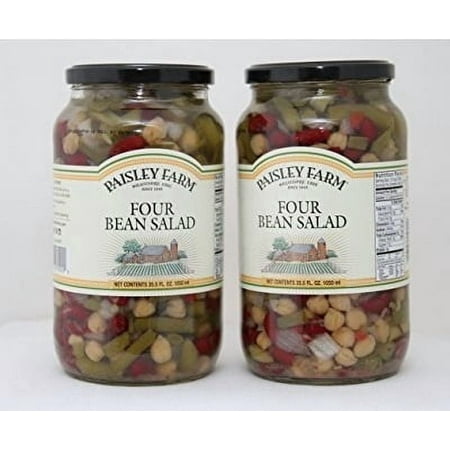


Paisley Farm ALL NATURAL FOUR BEAN SALAD
Analysis updated July 2026 · How Scout scores
At a glance
Summary
The salad contains a variety of beans, onions, and red peppers, which are nutritious and provide fiber, vitamins, and antioxidants. However, the presence of refined sugar and dextrose adds unnecessary sugars, which can contribute to metabolic issues. Despite the beneficial ingredients, the product is considered ultra-processed, which limits its overall health score.
Key ingredients 8
Beans (green, kidney, ceci, wax)Very Good
These beans are a great source of plant-based protein and fiber, supporting digestive health and sustained energy.
onionsGood
Onions add flavor and contain antioxidants that may support overall health.
See more about onions →vinegarGood
Vinegar enhances taste and may help with digestion and blood sugar regulation.
See more about vinegar →red peppersGood
Red peppers are rich in vitamins and antioxidants, contributing to immune support.
sea saltGood
Sea salt provides essential minerals and enhances flavor in the salad.
See more about sea salt →spiceNeutral
Spices add flavor and variety, but their specific health impact depends on the type used.
See more about spice →sugarBad
Sugar adds sweetness but can contribute to excess calorie intake and affect blood sugar levels.
See more about sugar →dextroseBad
Dextrose is a processed sugar that may lead to quick spikes in blood sugar and offers little nutritional benefit.
See more about dextrose →Processing
Ultra-Processed Foods
Get the full breakdown in the Scout appTake Scout shopping
Scan any product to see lab results, healthy alternatives, and your personalized analysis.
Download on theApp Store GET IT ONGoogle PlayAmazon pricing & content
Amazon price as of . Product prices and availability are accurate as of the date/time indicated and are subject to change. Any price and availability information displayed on Amazon.com at the time of purchase will apply to the purchase of this product.
CERTAIN CONTENT THAT APPEARS ON THIS SITE COMES FROM AMAZON. THIS CONTENT IS PROVIDED “AS IS” AND IS SUBJECT TO CHANGE OR REMOVAL AT ANY TIME.