
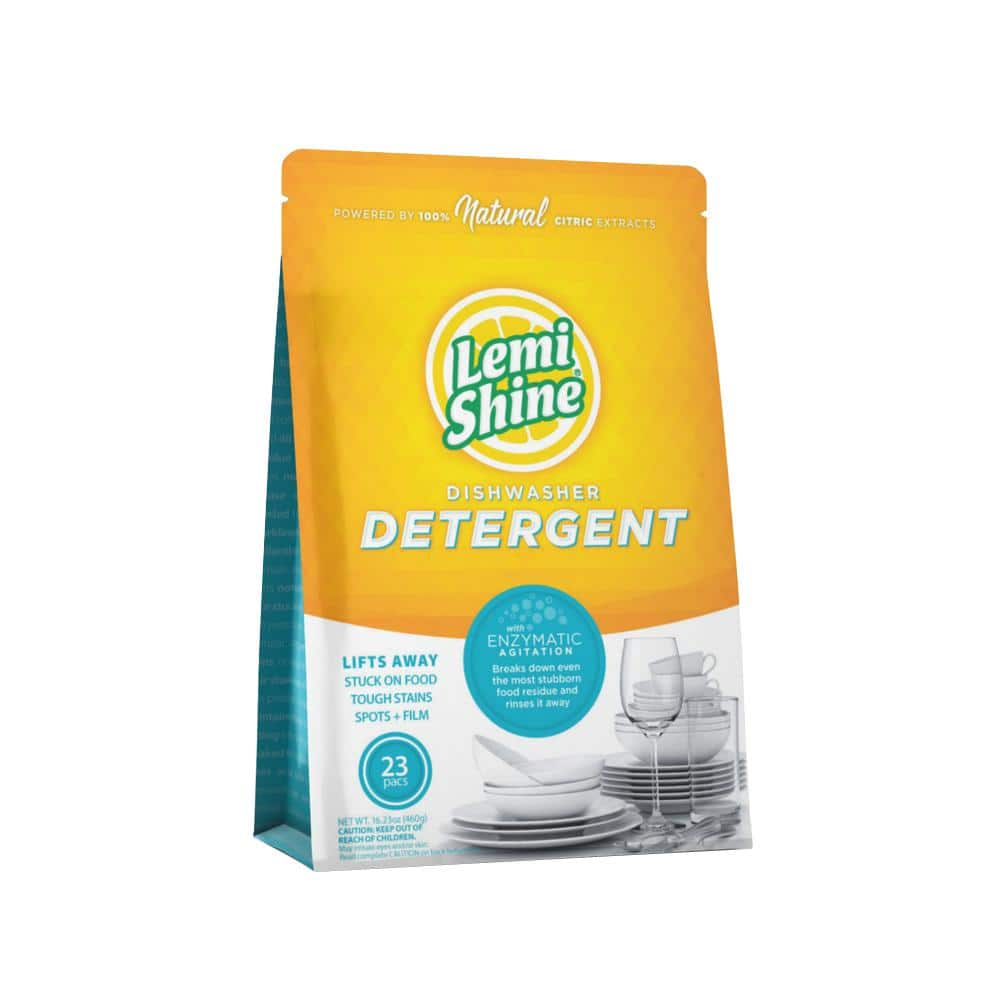

Lemi Shine Cleaning Products 20 oz. Auto Dish Detergent (Case of 6) 060228006
Summary
This dish detergent contains citric acid and citrus oils, which are beneficial for cleaning and are plant-derived. However, the presence of synthetic fragrance and processed ingredients like sodium metasilicate pentahydrate and tetrasodium glutamate diacetate affects its safety and environmental impact. The product is moderately processed, which limits its score despite some positive ingredients.
At a glance
Key ingredients 7
CITRIC ACID
Citric acid is a natural compound found in citrus fruits. It is commonly used in cleaning products for its ability to break down and remove mineral deposits. It is also biodegradable and considered environmentally friendly.
Risks
There are minimal risks associated with citric acid, though it can cause mild skin irritation in sensitive individuals.
Benefits
Citric acid is effective at removing hard water stains and is a safer alternative to harsher chemicals.
SODIUM BICARBONATE
Sodium bicarbonate, also known as baking soda, is a mild alkali that helps to dissolve dirt and grease in water. It is often used in cleaning products for its deodorizing properties. It is non-toxic and safe for use around the home.
Risks
There are minimal risks associated with sodium bicarbonate, though it can cause mild irritation if it comes into contact with the eyes.
Benefits
Sodium bicarbonate is effective at neutralizing odors and is a gentle abrasive for cleaning surfaces.
FRAGRANCE
Fragrance is added to cleaning products to provide a pleasant scent. However, synthetic fragrances can contain a mixture of chemicals that may not be disclosed on the label. These chemicals can contribute to indoor air pollution.
Risks
Fragrances can cause allergic reactions and respiratory issues in sensitive individuals.
Benefits
The primary benefit of fragrance is to enhance the sensory experience of using the product.
SILICA
Silica is used in cleaning products as an abrasive agent to help scrub surfaces clean. It is a naturally occurring mineral that is generally considered safe. In cleaning products, it helps to physically remove dirt and grime.
Risks
Inhalation of silica dust can be harmful, but this is typically not a concern in liquid cleaning products.
Benefits
Silica is effective at providing a scrubbing action without scratching surfaces.
SODIUM METASILICATE PENTAHYDRATE
Sodium metasilicate pentahydrate is used as a builder in cleaning products to enhance the effectiveness of surfactants. It helps to soften water and improve cleaning performance. It is a strong alkaline compound.
Risks
It can be corrosive and cause skin and eye irritation upon contact.
Benefits
It enhances the cleaning power of detergents, especially in hard water conditions.
TETRASODIUM GLUTAMATE DIACETATE
Tetrasodium glutamate diacetate is a chelating agent used to improve the stability and effectiveness of cleaning products. It binds to metal ions, preventing them from interfering with the cleaning process. It is biodegradable and considered a safer alternative to traditional chelating agents.
Risks
There are minimal risks associated with this ingredient, though it can cause mild irritation if it comes into contact with the skin or eyes.
Benefits
It enhances the performance of cleaning agents and is environmentally friendly.
CITRUS OILS
Citrus oils are derived from the peels of citrus fruits and are used for their natural fragrance and cleaning properties. They are effective at cutting through grease and leaving a fresh scent. They are considered a natural and biodegradable option.
Risks
Citrus oils can cause skin irritation in some individuals and may increase sensitivity to sunlight.
Benefits
They provide a natural fragrance and enhance the cleaning power of the product.
Processing
Processed Foods
Get the full breakdown in the Scout app
Scan any product to see lab results, healthy alternatives, and your personalized analysis.
Download on theApp Store