


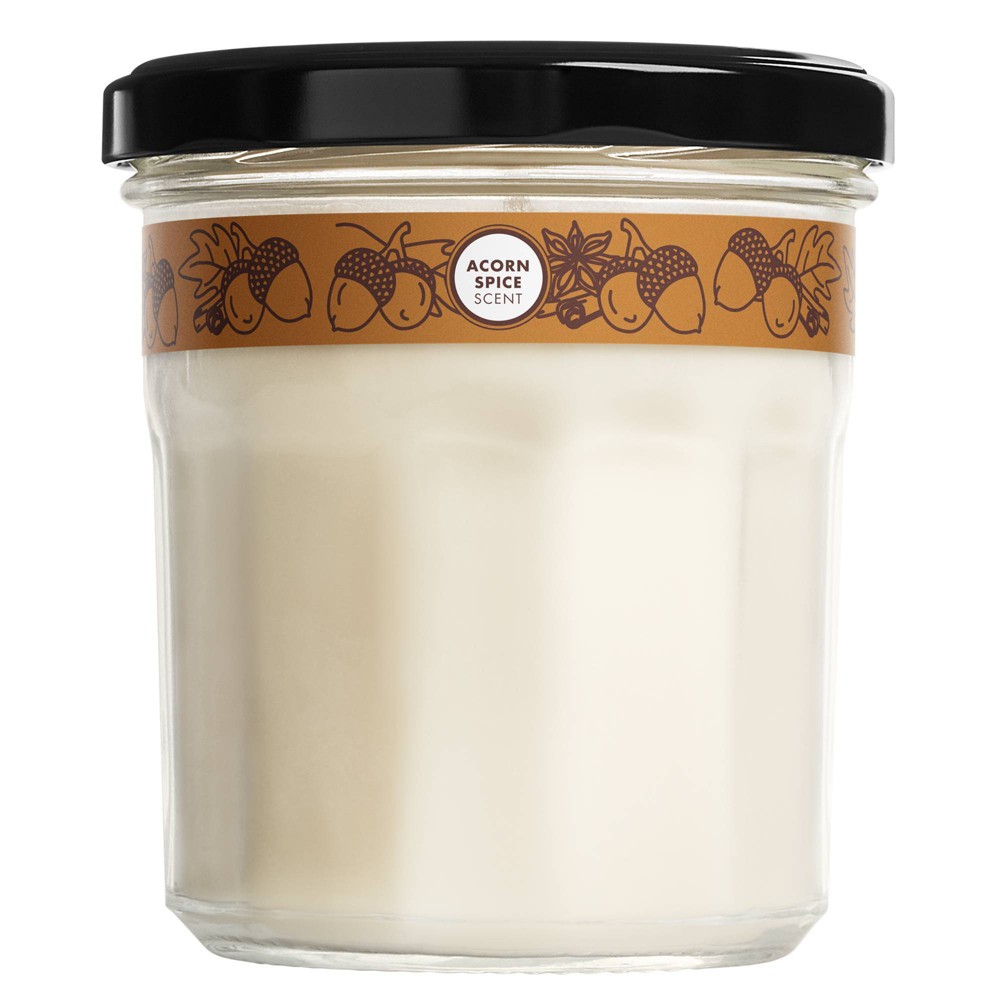
Mrs. Meyer’s Clean Day Multi-Surface Everyday Cleaner Fall Leaves Scent 16 fl oz
Analysis updated June 2026 · How Scout scores
At a glance
Summary
This cleaner contains plant-derived surfactants like decyl glucoside and lauryl glucoside, which are generally considered safer and more environmentally friendly. However, the presence of synthetic fragrance can be a concern due to potential allergens and environmental impact. The product is moderately processed, which affects its overall rating, but it still maintains a relatively clean ingredient list compared to harsher chemical cleaners.
Key ingredients 7
decyl glucosideGood
Decyl glucoside is a plant-based surfactant that effectively cleans surfaces and is gentle on the skin and environment.
See more about decyl glucoside →eugenia caryophyllus (clove) leaf oilGood
Clove leaf oil has natural antimicrobial properties and provides a pleasant scent, enhancing the cleaning experience.
lauryl glucosideGood
Lauryl glucoside is a mild, plant-derived surfactant that helps lift dirt and grease effectively while being gentle.
See more about lauryl glucoside →waterNeutral
Water is the base of the formulation — inert.
See more about water →sodium citrateNeutral
Standard formulation ingredient — neither beneficial nor harmful at typical use.
See more about sodium citrate →sodiumNeutral
Sodium is a common ingredient in cleaning products that helps with cleaning action but is neutral in terms of health impact.
See more about sodium →fragranceVery Bad
Fragrance is added to improve scent but can sometimes cause sensitivities or allergic reactions in sensitive individuals.
See more about fragrance →Processing
Processed Foods
Get the full breakdown in the Scout appTake Scout shopping
Scan any product to see lab results, healthy alternatives, and your personalized analysis.
Download on theApp Store GET IT ONGoogle PlayAmazon pricing & content
Amazon price as of . Product prices and availability are accurate as of the date/time indicated and are subject to change. Any price and availability information displayed on Amazon.com at the time of purchase will apply to the purchase of this product.
CERTAIN CONTENT THAT APPEARS ON THIS SITE COMES FROM AMAZON. THIS CONTENT IS PROVIDED “AS IS” AND IS SUBJECT TO CHANGE OR REMOVAL AT ANY TIME.