
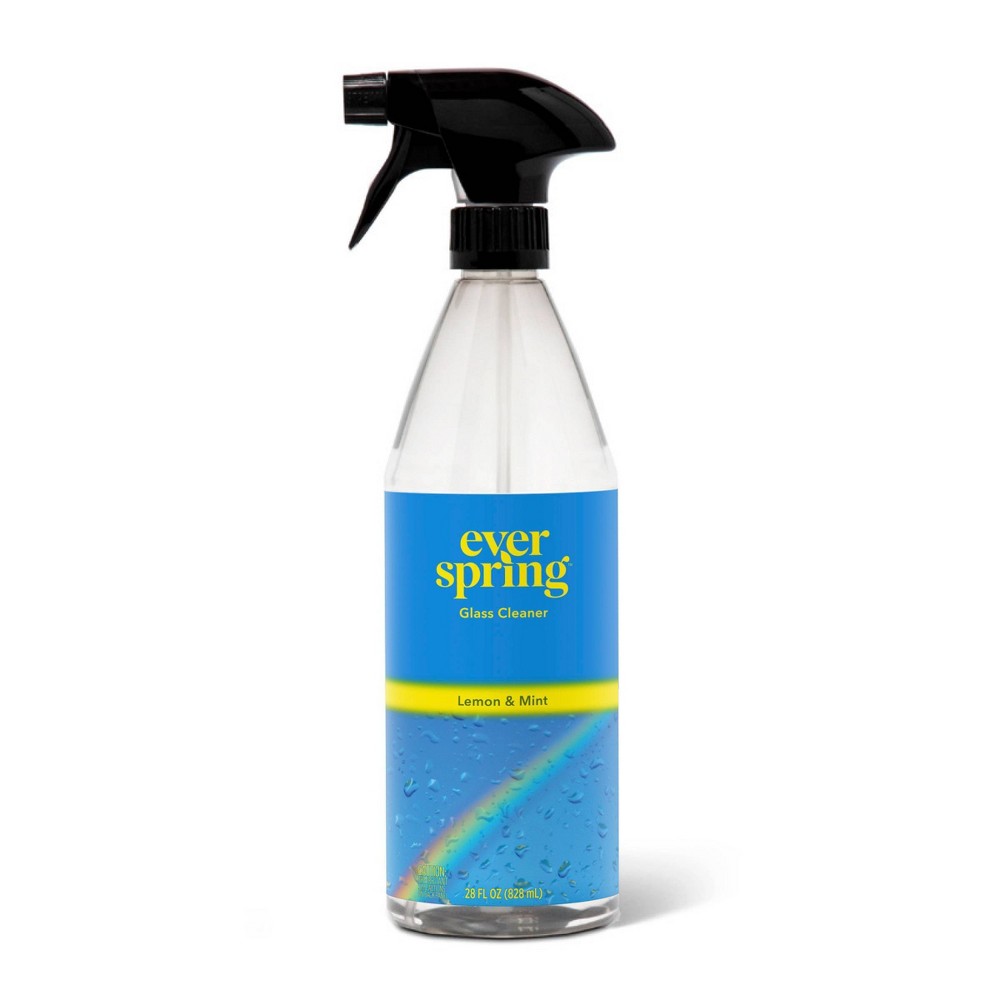

Lemon & Mint Glass Cleaner - 28 fl oz - Everspring™: Liquid Spray Bottle, Windows & Mirrors
Analysis updated August 2026 · How Scout scores
At a glance
Summary
This glass cleaner contains beneficial ingredients like lactic acid, ethyl alcohol, and caprylyl glucoside, which are effective and biodegradable. However, the presence of synthetic fragrance, which can contain harmful chemicals and cause allergic reactions, slightly lowers its safety and environmental impact. The product is processed, which also influences its overall rating.
Key ingredients 8
Ethyl AlcoholGood
Ethyl alcohol is a common disinfectant used for its ability to kill bacteria and viruses. It evaporates quickly, leaving surfaces clean and streak-free. It is effective and widely used in cleaning products.
Risks
Prolonged exposure can cause skin dryness and irritation.
Benefits
Ethyl alcohol is effective in sanitizing surfaces and is a key ingredient in many cleaning formulations.
Caprylyl GlucosideGood
Caprylyl glucoside is a plant-derived surfactant known for its mildness and effectiveness. It is used to enhance the cleaning power of products without being harsh. It is biodegradable and considered safe.
Risks
There are minimal risks associated with caprylyl glucoside.
Benefits
Caprylyl glucoside is effective in cleaning and is gentle on the skin, making it a preferred choice in eco-friendly products.
WaterNeutral
Water is a common solvent used in cleaning products. It helps dissolve other ingredients and facilitates application. It is generally safe and non-toxic.
Risks
There are no significant risks associated with water in cleaning products.
Benefits
Water is essential for diluting other ingredients and ensuring even distribution.
Lactic AcidNeutral
Standard formulation ingredient — neither beneficial nor harmful at typical use.
Risks
In high concentrations, it may cause skin irritation.
Benefits
Lactic acid is effective in cleaning and disinfecting, making it a beneficial ingredient in cleaning products.
Polysorbate 20Neutral
Polysorbate 20 is an emulsifier that helps blend oil and water-based ingredients. It is commonly used in cleaning products to ensure even distribution. It is generally considered safe for use.
Risks
There is a low risk of skin irritation with prolonged exposure.
Benefits
Polysorbate 20 helps improve the effectiveness of cleaning products by ensuring ingredient stability.
Lemon OilNeutral
Lemon oil is used for its fresh scent and mild cleaning properties. It is derived from lemon peels and is generally safe. It can enhance the fragrance of cleaning products.
Risks
Lemon oil can cause skin irritation in sensitive individuals.
Benefits
Lemon oil provides a natural fragrance and can contribute to the cleaning power of products.
Mint OilNeutral
Mint oil is added for its refreshing scent and mild antimicrobial properties. It is derived from mint leaves and is generally considered safe. It can enhance the fragrance profile of cleaning products.
Risks
Mint oil may cause skin irritation in some individuals.
Benefits
Mint oil provides a natural, refreshing scent and may offer mild antimicrobial benefits.
FragranceVery Bad
Fragrance is often added to cleaning products for a pleasant scent. However, synthetic fragrances can contain harmful chemicals. They may cause allergic reactions or skin irritation.
Risks
Fragrances can trigger allergies and respiratory issues in sensitive individuals.
Benefits
Fragrances can enhance the user experience by providing a pleasant scent.
Processing
Processed Foods
Get the full breakdown in the Scout appTake Scout shopping
Scan any product to see lab results, healthy alternatives, and your personalized analysis.
Download on theApp Store GET IT ONGoogle Play