



At a glance
Summary
This product contains peanuts, which are nutrient-dense and provide healthy fats, protein, and fiber. However, the addition of sugar and xanthan gum increases its processing level, which limits its health benefits. The presence of refined sugar detracts from the overall nutritional quality, leading to a moderate score for a processed food item.
Key ingredients 5
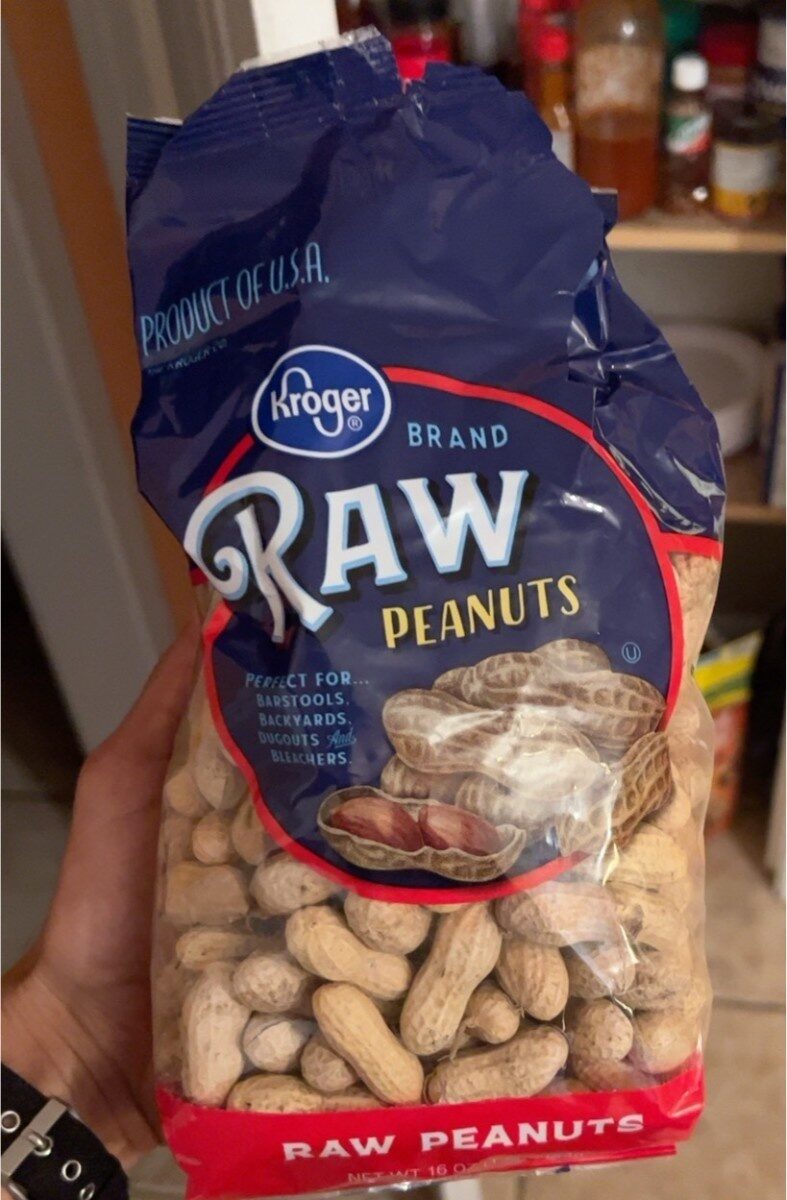
PeanutsGood
Peanuts are a nutrient-dense food rich in healthy fats, protein, and fiber. They provide essential vitamins and minerals such as vitamin E, magnesium, and folate. As a whole food, they are minimally processed and offer significant health benefits.
Risks
Peanuts can be a common allergen and may cause severe allergic reactions in sensitive individuals.
Benefits
Rich in monounsaturated fats and protein, peanuts support heart health and provide sustained energy.
HoneyGood
Traditional whole-food sweetener with trace enzymes and antioxidants.
Risks
Excessive consumption of honey can contribute to high sugar intake and related health issues.
Benefits
Contains antioxidants and has antibacterial properties, which may offer some health benefits.
Sea SaltGood
Unrefined sea salt — a minimally processed, natural source of sodium and essential trace minerals, and a legitimate whole-food seasoning. Treated as a positive ingredient.
Risks
High sodium intake is linked to increased blood pressure and risk of heart disease.
Benefits
Provides essential sodium and trace minerals that are important for bodily functions.
Xanthan GumNeutral
Xanthan gum is a common food additive used as a thickening and stabilizing agent. It is produced through fermentation and is generally recognized as safe in small amounts. While it improves texture and shelf life, it offers no nutritional benefits.
Risks
In large amounts, xanthan gum may cause digestive discomfort such as bloating and gas.
SugarBad
Refined sugar is a high-calorie ingredient with no essential nutrients, contributing to empty calorie intake. Excessive consumption can lead to health issues such as obesity, type 2 diabetes, and dental cavities. It is often added to enhance sweetness but offers no nutritional benefits.
Risks
High intake of refined sugar is associated with increased risk of metabolic syndrome and cardiovascular disease.
Processing
Processed Foods
Get the full breakdown in the Scout appTake Scout shopping
Scan any product to see lab results, healthy alternatives, and your personalized analysis.
Download on theApp Store GET IT ONGoogle Play