

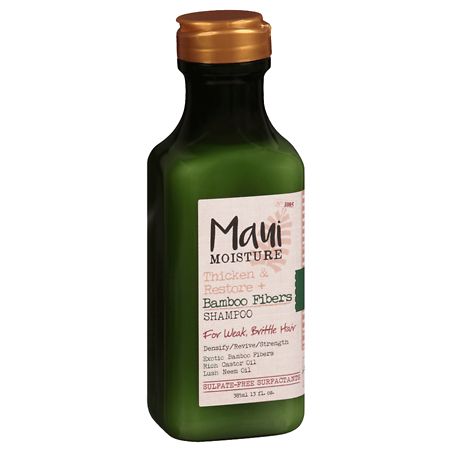
Moisturising Shampoo
Analysis updated June 2026 · How Scout scores
At a glance
Summary
This shampoo contains beneficial ingredients like aloe vera and coconut oil, which provide moisturizing and nourishing properties for the hair and scalp. However, the presence of Sodium C14-16 Olefin Sulfonate, a harsher surfactant, can strip natural oils and potentially cause dryness. While the product includes some gentle surfactants, the overall formulation is moderately processed, limiting its score.
Key ingredients 7
Aloe VeraGood
Aloe Vera is known for its soothing and hydrating properties, making it a beneficial ingredient for scalp and skin health.
See more about Aloe Vera →Coconut OilGood
Coconut Oil is rich in fatty acids that help nourish and moisturize hair and scalp, contributing to overall hair health.
See more about Coconut Oil →Aqua (Water, Eau)Neutral
Water acts as a solvent in the shampoo, helping to distribute other ingredients evenly without adding any beneficial or harmful effects.
See more about Aqua (Water, Eau) →Cocamidopropyl BetaineNeutral
Standard formulation ingredient — neither beneficial nor harmful at typical use.
See more about Cocamidopropyl Betaine →PropanediolNeutral
Propanediol functions as a humectant and solvent, aiding in moisture retention and formulation stability.
See more about Propanediol →GlycolNeutral
Glycol helps improve product texture and stability, with no significant beneficial or harmful effects.
See more about Glycol →Sodium C14-16 Olefin SulfonateVery Bad
This surfactant is effective at cleansing but can be harsh and potentially strip natural oils from the scalp and hair.
See more about Sodium C14-16 Olefin Sulfonate →Processing
Processed Foods
Get the full breakdown in the Scout appTake Scout shopping
Scan any product to see lab results, healthy alternatives, and your personalized analysis.
Download on theApp Store GET IT ONGoogle PlayAmazon pricing & content
Amazon price as of . Product prices and availability are accurate as of the date/time indicated and are subject to change. Any price and availability information displayed on Amazon.com at the time of purchase will apply to the purchase of this product.
CERTAIN CONTENT THAT APPEARS ON THIS SITE COMES FROM AMAZON. THIS CONTENT IS PROVIDED “AS IS” AND IS SUBJECT TO CHANGE OR REMOVAL AT ANY TIME.