

At a glance
Summary
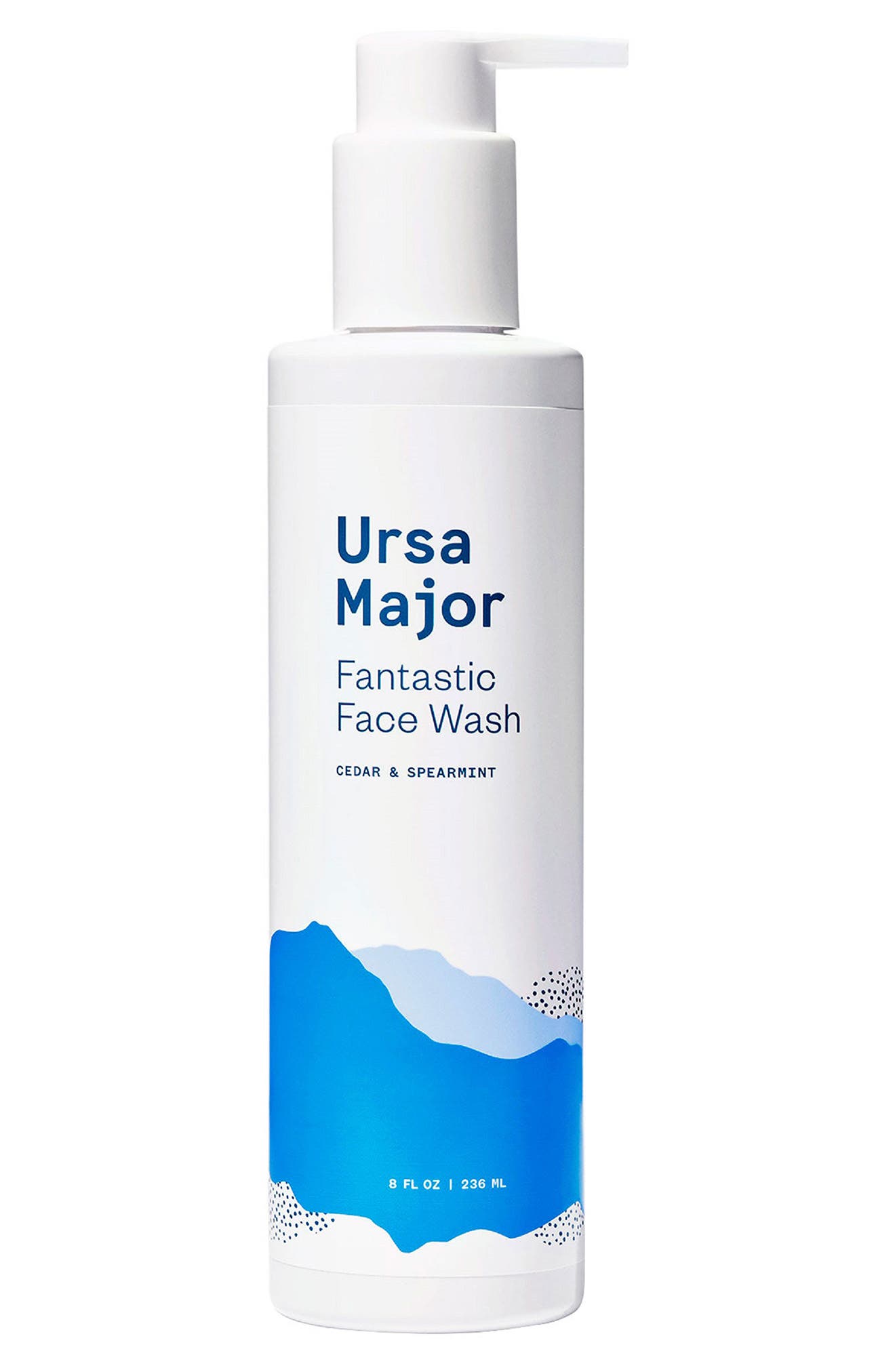
This face wash contains a mix of safe and synthetic ingredients. While it includes beneficial components like glycerin, which is hydrating, it also contains PEG-8, a synthetic compound that can be concerning due to potential contamination risks. The product is moderately processed, which affects its overall rating, but it does not contain any harsh surfactants or known endocrine disruptors.
Key ingredients 8
GlycerinGood
Glycerin is a humectant that attracts moisture to the skin, helping to keep it hydrated. It is widely used in cosmetics for its moisturizing properties. It is considered safe and beneficial for most skin types.
Risks
There are minimal risks associated with glycerin, though overuse can lead to a sticky feeling.
Benefits
It provides excellent moisturizing benefits and helps maintain skin hydration.
WaterNeutral
Water is a common solvent used in cosmetics to dissolve other ingredients. It helps in forming the base of the product. It does not have any direct benefits or risks.
Risks
There are no significant risks associated with water in cosmetics.
Benefits
Water helps in dissolving other ingredients and provides a medium for them to interact.
Stearic AcidNeutral
Stearic acid is a fatty acid used as an emulsifier and thickener in cosmetics. It helps in stabilizing formulations and providing a creamy texture. It is generally considered safe for use in cosmetics.
Risks
In rare cases, it may cause skin irritation in sensitive individuals.
Benefits
It helps in maintaining the stability and texture of the product.
Myristic AcidNeutral
Myristic acid is a fatty acid used as a surfactant and emulsifier in cosmetics. It helps in cleansing the skin by breaking down oils and dirt. It is generally considered safe for use in cosmetics.
Risks
It may cause irritation in sensitive skin types.
Benefits
It aids in effective cleansing and emulsification of the product.
Potassium HydroxideNeutral
Potassium hydroxide is used to adjust the pH of cosmetic products. It helps in maintaining the stability and effectiveness of the formulation. It is used in small amounts and is generally considered safe.
Risks
In high concentrations, it can be corrosive and cause irritation.
Benefits
It helps in maintaining the desired pH level of the product.
Dipropylene GlycolNeutral
Dipropylene glycol is used as a solvent and viscosity-decreasing agent in cosmetics. It helps in improving the texture and spreadability of the product. It is generally considered safe for use in cosmetics.
Risks
There are minimal risks, though it may cause irritation in sensitive individuals.
Benefits
It enhances the texture and application of the product.
Lauric AcidNeutral
Lauric acid is a fatty acid used as a surfactant and cleansing agent in cosmetics. It helps in breaking down oils and dirt on the skin. It is generally considered safe for use in cosmetics.
Risks
It may cause irritation in sensitive skin types.
Benefits
It aids in effective cleansing and has antimicrobial properties.
PEG-8Bad
Processed additive flagged under Scout's ingredient doctrine.
Risks
There is a potential risk of contamination with ethylene oxide and 1,4-dioxane.
Benefits
It helps in moisturizing the skin and improving product texture.
Get the full breakdown in the Scout appTake Scout shopping
Scan any product to see lab results, healthy alternatives, and your personalized analysis.
Download on theApp Store GET IT ONGoogle Play