
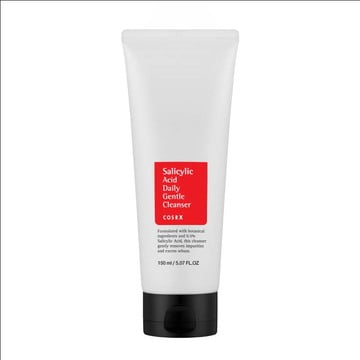

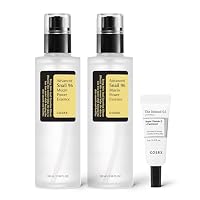
COSRX Salicylic Acid Gentle Facial Cleanser, Face Wash for Acne Prone Skin, 150ml
Analysis updated August 2026 · How Scout scores
At a glance
Summary
This facial cleanser contains beneficial ingredients like glycerin, salicylic acid, and tea tree oil, which are known for their moisturizing, exfoliating, and antimicrobial properties. However, the presence of fragrance, which can be an irritant and allergen, detracts from its overall safety profile. The product is moderately processed, which also influences its rating.
Key ingredients 30
Salicylic AcidVery Good
Salicylic Acid is a beta hydroxy acid known for its exfoliating and acne-fighting properties. It helps to unclog pores and reduce inflammation. It is widely used in skincare for its effectiveness in treating acne-prone skin.
Risks
Overuse can lead to dryness or irritation, especially in sensitive skin.
Benefits
Salicylic Acid helps to clear acne, reduce blackheads, and improve skin texture.
GlycerinGood
Glycerin is a humectant that attracts moisture to the skin, helping to maintain hydration. It is widely used in skincare for its moisturizing properties. It is considered safe and beneficial for most skin types.
Risks
There are minimal risks associated with glycerin, though it may cause irritation in very sensitive individuals.
Benefits
Glycerin helps to keep the skin hydrated and can improve skin barrier function.
Melaleuca Alternifolia (Tea Tree) Leaf OilGood
Tea Tree Oil is known for its antimicrobial and anti-inflammatory properties. It helps to reduce acne and soothe irritated skin. It is widely used in skincare for its natural benefits.
Risks
Tea Tree Oil can cause irritation or allergic reactions in some individuals, especially if used in high concentrations.
Benefits
Tea Tree Oil helps to reduce acne, control oil, and soothe inflammation.
Salix Alba (Willow) Bark WaterGood
Willow Bark Water is known for its anti-inflammatory and exfoliating properties. It contains natural salicylates that help to clear pores and reduce acne. It is often used in skincare for its soothing and clarifying benefits.
Risks
It may cause irritation in individuals sensitive to salicylates.
Benefits
Willow Bark Water helps to exfoliate the skin, reduce acne, and soothe inflammation.
WaterNeutral
Water is a common solvent used in cosmetic formulations. It helps dissolve other ingredients and provides a base for the product. It is generally considered safe and non-irritating.
Risks
There are no significant risks associated with water in cosmetics.
Benefits
Water helps to hydrate the skin and improve the texture of the product.
Myristic AcidNeutral
Myristic Acid is a fatty acid used as a cleansing agent and emulsifier in cosmetics. It helps to remove dirt and oil from the skin. It is generally considered safe for use in skincare products.
Risks
In rare cases, it may cause irritation or allergic reactions in sensitive individuals.
Benefits
Myristic Acid helps to cleanse the skin effectively without stripping natural oils.
Stearic AcidNeutral
Stearic Acid is a fatty acid used as an emulsifier and thickener in cosmetics. It helps to stabilize formulations and improve texture. It is generally considered safe for use in skincare products.
Risks
It may cause mild irritation in sensitive skin types.
Benefits
Stearic Acid helps to improve the texture and stability of cosmetic products.
Potassium HydroxideNeutral
Potassium Hydroxide is used to adjust the pH of cosmetic formulations. It is a strong base that helps to neutralize acidic components. It is used in small amounts to ensure product safety.
Risks
In high concentrations, it can be irritating to the skin and eyes.
Benefits
Potassium Hydroxide helps to maintain the stability and effectiveness of the product by balancing pH levels.
Lauric AcidNeutral
Lauric Acid is a fatty acid used for its cleansing and emulsifying properties. It helps to remove dirt and oil from the skin. It is generally considered safe for use in skincare products.
Risks
It may cause irritation in individuals with sensitive skin.
Benefits
Lauric Acid helps to cleanse the skin effectively and can contribute to a smoother texture.
Butylene GlycolNeutral
Butylene Glycol is a solvent and conditioning agent used in cosmetics. It helps to improve the texture and spreadability of products. It is generally considered safe for use in skincare.
Risks
In rare cases, it may cause irritation or allergic reactions.
Benefits
Butylene Glycol helps to enhance the penetration of other ingredients and provides a smooth application.
Glycol DistearateNeutral
Glycol Distearate is used as an opacifying agent and emulsifier in cosmetics. It helps to create a pearlescent appearance and stabilize formulations. It is generally considered safe for use in skincare products.
Risks
It may cause mild irritation in sensitive individuals.
Benefits
Glycol Distearate improves the visual appeal and texture of cosmetic products.
Sodium Methyl Cocoyl TaurateNeutral
Sodium Methyl Cocoyl Taurate is a mild surfactant used for its cleansing properties. It helps to remove dirt and oil from the skin without causing irritation. It is generally considered safe for use in skincare products.
Risks
It may cause mild irritation in very sensitive skin types.
Benefits
Sodium Methyl Cocoyl Taurate provides gentle cleansing and is suitable for sensitive skin.
Cocamidopropyl BetaineNeutral
Cocamidopropyl Betaine is a mild surfactant used for its cleansing and foaming properties. It helps to remove dirt and oil from the skin while being gentle. It is generally considered safe for use in skincare products.
Risks
It may cause irritation or allergic reactions in some individuals.
Benefits
Cocamidopropyl Betaine provides gentle cleansing and is suitable for sensitive skin.
PEG-60 Hydrogenated Castor OilNeutral
PEG-60 Hydrogenated Castor Oil is an emulsifier and surfactant used to stabilize formulations. It helps to blend ingredients and improve texture. It is generally considered safe for use in cosmetics.
Risks
There is a potential risk of contamination with ethylene oxide and 1,4-dioxane.
Benefits
PEG-60 Hydrogenated Castor Oil helps to improve the consistency and stability of cosmetic products.
Sodium ChlorideNeutral
Sodium Chloride is used as a thickening agent and to adjust the viscosity of cosmetic products. It helps to improve the texture and stability of formulations. It is generally considered safe for use in skincare.
Risks
In high concentrations, it may cause dryness or irritation.
Benefits
Sodium Chloride helps to enhance the texture and consistency of cosmetic products.
Caprylyl GlycolNeutral
Caprylyl Glycol is used as a skin conditioning agent and preservative in cosmetics. It helps to improve the texture and moisture retention of products. It is generally considered safe for use in skincare.
Risks
There are minimal risks associated with caprylyl glycol, though it may cause irritation in very sensitive individuals.
Benefits
Caprylyl Glycol helps to enhance the moisturizing properties and shelf life of cosmetic products.
EthylhexylglycerinNeutral
Ethylhexylglycerin is used as a preservative and skin conditioning agent in cosmetics. It helps to enhance the efficacy of other preservatives and improve skin feel. It is generally considered safe for use in skincare products.
Risks
It may cause mild irritation or allergic reactions in sensitive individuals.
Benefits
Ethylhexylglycerin helps to improve the preservation and texture of cosmetic products.
Saccharomyces FermentNeutral
Saccharomyces Ferment is used for its moisturizing and conditioning properties. It helps to improve skin texture and hydration. It is generally considered safe for use in skincare products.
Risks
There are minimal risks associated with saccharomyces ferment, though it may cause irritation in very sensitive individuals.
Benefits
Saccharomyces Ferment helps to enhance skin hydration and improve texture.
Cryptomeria Japonica Leaf ExtractNeutral
Cryptomeria Japonica Leaf Extract is used for its antioxidant and soothing properties. It helps to protect the skin from environmental stressors. It is generally considered safe for use in skincare products.
Risks
There are minimal risks associated with this extract, though it may cause irritation in very sensitive individuals.
Benefits
Cryptomeria Japonica Leaf Extract helps to soothe the skin and provide antioxidant protection.
Nelumbo Nucifera Leaf ExtractNeutral
Nelumbo Nucifera Leaf Extract is used for its antioxidant and soothing properties. It helps to protect the skin from environmental stressors and improve skin texture. It is generally considered safe for use in skincare products.
Risks
There are minimal risks associated with this extract, though it may cause irritation in very sensitive individuals.
Benefits
Nelumbo Nucifera Leaf Extract helps to soothe the skin and provide antioxidant protection.
Pinus Palustris Leaf ExtractNeutral
Pinus Palustris Leaf Extract is used for its antioxidant and soothing properties. It helps to protect the skin from environmental stressors and improve skin texture. It is generally considered safe for use in skincare products.
Risks
There are minimal risks associated with this extract, though it may cause irritation in very sensitive individuals.
Benefits
Pinus Palustris Leaf Extract helps to soothe the skin and provide antioxidant protection.
Ulmus Davidiana Root ExtractNeutral
Ulmus Davidiana Root Extract is used for its soothing and moisturizing properties. It helps to improve skin hydration and texture. It is generally considered safe for use in skincare products.
Risks
There are minimal risks associated with this extract, though it may cause irritation in very sensitive individuals.
Benefits
Ulmus Davidiana Root Extract helps to soothe and hydrate the skin.
Oenothera Biennis (Evening Primrose) Flower ExtractNeutral
Evening Primrose Flower Extract is used for its soothing and moisturizing properties. It helps to improve skin hydration and texture. It is generally considered safe for use in skincare products.
Risks
There are minimal risks associated with this extract, though it may cause irritation in very sensitive individuals.
Benefits
Evening Primrose Flower Extract helps to soothe and hydrate the skin.
Pueraria Lobata Root ExtractNeutral
Pueraria Lobata Root Extract is used for its antioxidant and soothing properties. It helps to protect the skin from environmental stressors and improve skin texture. It is generally considered safe for use in skincare products.
Risks
There are minimal risks associated with this extract, though it may cause irritation in very sensitive individuals.
Benefits
Pueraria Lobata Root Extract helps to soothe the skin and provide antioxidant protection.
1,2-HexanediolNeutral
1,2-Hexanediol is used as a solvent and preservative in cosmetics. It helps to improve the texture and shelf life of products. It is generally considered safe for use in skincare.
Risks
There are minimal risks associated with 1,2-hexanediol, though it may cause irritation in very sensitive individuals.
Benefits
1,2-Hexanediol helps to enhance the preservation and texture of cosmetic products.
Ethyl HexanediolNeutral
Ethyl Hexanediol is used as a solvent and skin conditioning agent in cosmetics. It helps to improve the texture and spreadability of products. It is generally considered safe for use in skincare.
Risks
There are minimal risks associated with ethyl hexanediol, though it may cause irritation in very sensitive individuals.
Benefits
Ethyl Hexanediol helps to enhance the texture and application of cosmetic products.
Citric AcidNeutral
Citric Acid is used to adjust the pH of cosmetic formulations and as an exfoliant. It helps to maintain product stability and improve skin texture. It is generally considered safe for use in skincare products.
Risks
In high concentrations, it may cause irritation or sensitivity, especially in sensitive skin.
Benefits
Citric Acid helps to exfoliate the skin and maintain the stability of cosmetic products.
Polysorbate 80Bad
Processed additive flagged under Scout's ingredient doctrine.
Risks
In rare cases, it may cause irritation or allergic reactions.
Benefits
Polysorbate 80 helps to ensure even distribution of ingredients and enhances product stability.
Disodium EDTABad
Processed additive flagged under Scout's ingredient doctrine.
Risks
There are minimal risks associated with disodium EDTA, though it may cause irritation in very sensitive individuals.
Benefits
Disodium EDTA helps to enhance the stability and shelf life of cosmetic products.
FragranceVery Bad
Fragrance is used to impart a pleasant scent to cosmetic products. However, it can be a common irritant and allergen for sensitive skin. It is often criticized for its potential to cause skin reactions.
Risks
Fragrance can cause irritation, allergic reactions, and sensitization, especially in sensitive individuals.
Benefits
Fragrance enhances the sensory experience of using the product.
Get the full breakdown in the Scout appTake Scout shopping
Scan any product to see lab results, healthy alternatives, and your personalized analysis.
Download on theApp Store GET IT ONGoogle PlayAmazon pricing & content
Amazon price as of . Product prices and availability are accurate as of the date/time indicated and are subject to change. Any price and availability information displayed on Amazon.com at the time of purchase will apply to the purchase of this product.
CERTAIN CONTENT THAT APPEARS ON THIS SITE COMES FROM AMAZON. THIS CONTENT IS PROVIDED “AS IS” AND IS SUBJECT TO CHANGE OR REMOVAL AT ANY TIME.