



Water
Analysis updated September 2026 · How Scout scores
At a glance
Summary
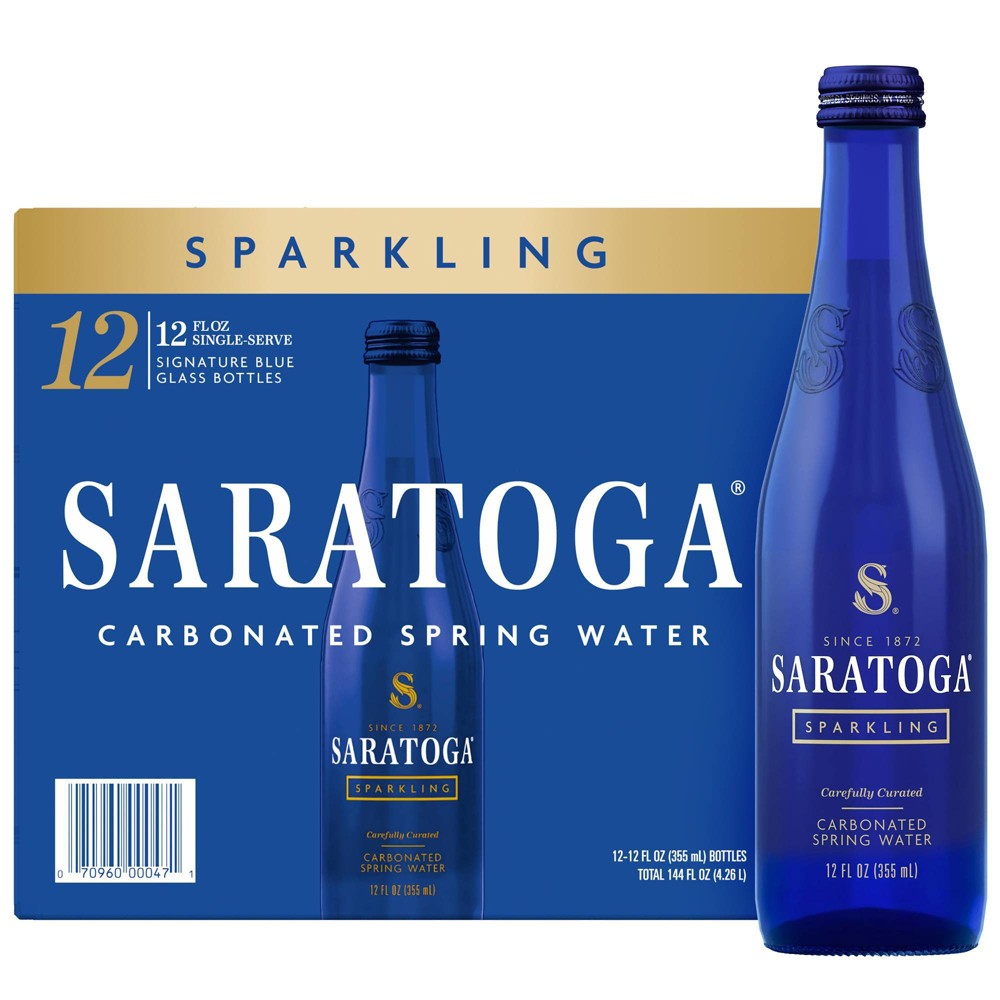
This water product contains beneficial minerals such as magnesium sulfate, potassium chloride, and calcium chloride, which enhance its mineral content and support hydration and electrolyte balance. However, the presence of added salts and minerals indicates a level of processing beyond natural spring or aquifer water, which slightly impacts its overall purity and naturalness. The absence of harmful contaminants and the inclusion of beneficial ingredients contribute positively to its health profile.
Key ingredients 7
Magnesium chlorideGood
Magnesium chloride is a source of magnesium, which is vital for numerous biochemical reactions in the body. It is often added to water to enhance mineral content and improve hydration. This ingredient supports muscle and nerve function and can help prevent magnesium deficiency.
Benefits
Provides magnesium, which is crucial for energy production and muscle function.
Potassium bicarbonateGood
Potassium bicarbonate is used to provide potassium and regulate acidity in water. It helps maintain electrolyte balance and supports cardiovascular health. This ingredient can aid in reducing blood pressure and improving bone health.
Risks
Excessive intake may lead to hyperkalemia, particularly in individuals with kidney problems.
Benefits
Supports heart health and bone density by providing essential potassium and maintaining pH balance.
Magnesium sulfateNeutral
Standard formulation ingredient — neither beneficial nor harmful at typical use.
Benefits
Provides magnesium, which is essential for muscle and nerve function, and sulfate, which can aid digestion.
Potassium chlorideNeutral
Standard formulation ingredient — neither beneficial nor harmful at typical use.
Risks
Excessive intake may lead to hyperkalemia, especially in individuals with kidney issues.
Benefits
Helps maintain electrolyte balance and supports heart health by providing essential potassium.
SaltNeutral
Salt, or sodium chloride, is used to enhance flavor and maintain electrolyte balance. In small amounts, it is necessary for nerve function and fluid balance. However, excessive consumption can lead to health issues such as hypertension.
Risks
High intake can contribute to hypertension and cardiovascular diseases.
Benefits
Essential for maintaining fluid balance and nerve function in the body.
Calcium chlorideNeutral
Standard formulation ingredient — neither beneficial nor harmful at typical use.
Benefits
Provides calcium, which is essential for strong bones and teeth, and supports muscle function.
Sodium bicarbonateNeutral
Sodium bicarbonate is used to regulate acidity and improve taste in bottled water. It acts as a buffering agent to maintain pH balance. While it has no significant health benefits, it can help neutralize stomach acid and relieve indigestion.
Risks
Excessive consumption may lead to alkalosis or increased sodium intake.
Benefits
Helps maintain pH balance and can aid in neutralizing stomach acid.
Processing
Unprocessed or Minimally Processed Foods
Get the full breakdown in the Scout appTake Scout shopping
Scan any product to see lab results, healthy alternatives, and your personalized analysis.
Download on theApp Store GET IT ONGoogle PlayAmazon pricing & content
Amazon price as of . Product prices and availability are accurate as of the date/time indicated and are subject to change. Any price and availability information displayed on Amazon.com at the time of purchase will apply to the purchase of this product.
CERTAIN CONTENT THAT APPEARS ON THIS SITE COMES FROM AMAZON. THIS CONTENT IS PROVIDED “AS IS” AND IS SUBJECT TO CHANGE OR REMOVAL AT ANY TIME.