


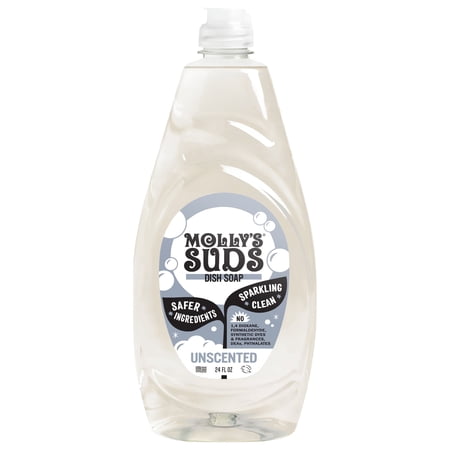


ECOS Dishmate Manual Dish Liquid Free and Clear 5 gal Pail
Analysis updated August 2026 · How Scout scores
At a glance
Summary
This dish liquid contains sodium coco sulfate, a milder surfactant compared to SLS, and beneficial ingredients like citric acid, which enhance cleaning power and biodegradability. However, the presence of phenoxyethanol, a potential skin irritant, and the processed nature of the product limit its score. The formulation avoids harsher chemicals and synthetic fragrances, contributing positively to its safety profile.
Key ingredients 9
EthylhexylglycerinGood
Ethylhexylglycerin is a skin-conditioning agent and preservative enhancer. It is used to improve the efficacy of preservatives and has antimicrobial properties. It is considered safe and effective in small concentrations.
Risks
Generally considered safe with minimal risk of irritation.
Benefits
Enhances the effectiveness of preservatives and provides antimicrobial benefits.
WaterNeutral
Water is a universal solvent and is used as a base in many cleaning products. It helps dissolve other ingredients and facilitates the cleaning process. It is generally considered safe and non-toxic.
Risks
There are no significant risks associated with water in cleaning products.
Benefits
Water is essential for dissolving and distributing other ingredients effectively.
Sodium Coco SulfateNeutral
Sodium Coco Sulfate is a surfactant derived from coconut oil. It is similar to SLS but considered slightly milder. It helps in creating foam and removing grease.
Risks
It can be irritating to the skin and eyes, especially in concentrated forms.
Benefits
It is effective in cleaning and foaming, derived from natural sources.
Cocamidopropylamine OxideNeutral
Cocamidopropylamine Oxide is a surfactant and foam booster derived from coconut oil. It is used to enhance the cleaning power of detergents. It is generally considered mild and effective.
Risks
May cause mild irritation in sensitive individuals.
Benefits
It is effective in boosting foam and cleaning power while being relatively mild.
Lauramine OxideNeutral
Lauramine Oxide is a surfactant and foam stabilizer used in cleaning products. It helps in removing dirt and grease. It is considered to be a mild and effective cleaning agent.
Risks
Can cause mild irritation to skin and eyes upon direct contact.
Benefits
It enhances the cleaning efficiency and stability of the product.
CocobetaineNeutral
Cocobetaine is a surfactant derived from coconut oil, used for its mildness and foaming properties. It helps in reducing the harshness of other surfactants. It is commonly used in personal care and cleaning products.
Risks
May cause mild irritation in some individuals.
Benefits
It is effective in creating foam and is considered milder than many other surfactants.
Tetrasodium Glutamate DiacetateNeutral
Tetrasodium Glutamate Diacetate is a chelating agent that helps in binding metal ions. It enhances the effectiveness of preservatives and stabilizes the product. It is considered safe for use in cleaning products.
Risks
There are minimal risks associated with its use in cleaning products.
Benefits
It improves the stability and effectiveness of the product by binding metal ions.
Citric AcidNeutral
Common acidulant and preservative — safe at typical use levels, neither beneficial nor harmful.
Risks
Minimal risks, though it can cause mild irritation in concentrated forms.
Benefits
Biodegradable and effective in enhancing cleaning power and stain removal.
PhenoxyethanolBad
Phenoxyethanol is a preservative used to prevent microbial growth in products. It is effective in extending the shelf life of products. However, it can be a skin irritant and has been associated with allergic reactions.
Risks
Potential skin irritant and allergen, especially in sensitive individuals.
Benefits
It effectively prevents microbial growth, extending the product's shelf life.
Get the full breakdown in the Scout appTake Scout shopping
Scan any product to see lab results, healthy alternatives, and your personalized analysis.
Download on theApp Store GET IT ONGoogle PlayAmazon pricing & content
CERTAIN CONTENT THAT APPEARS ON THIS SITE COMES FROM AMAZON. THIS CONTENT IS PROVIDED “AS IS” AND IS SUBJECT TO CHANGE OR REMOVAL AT ANY TIME.