

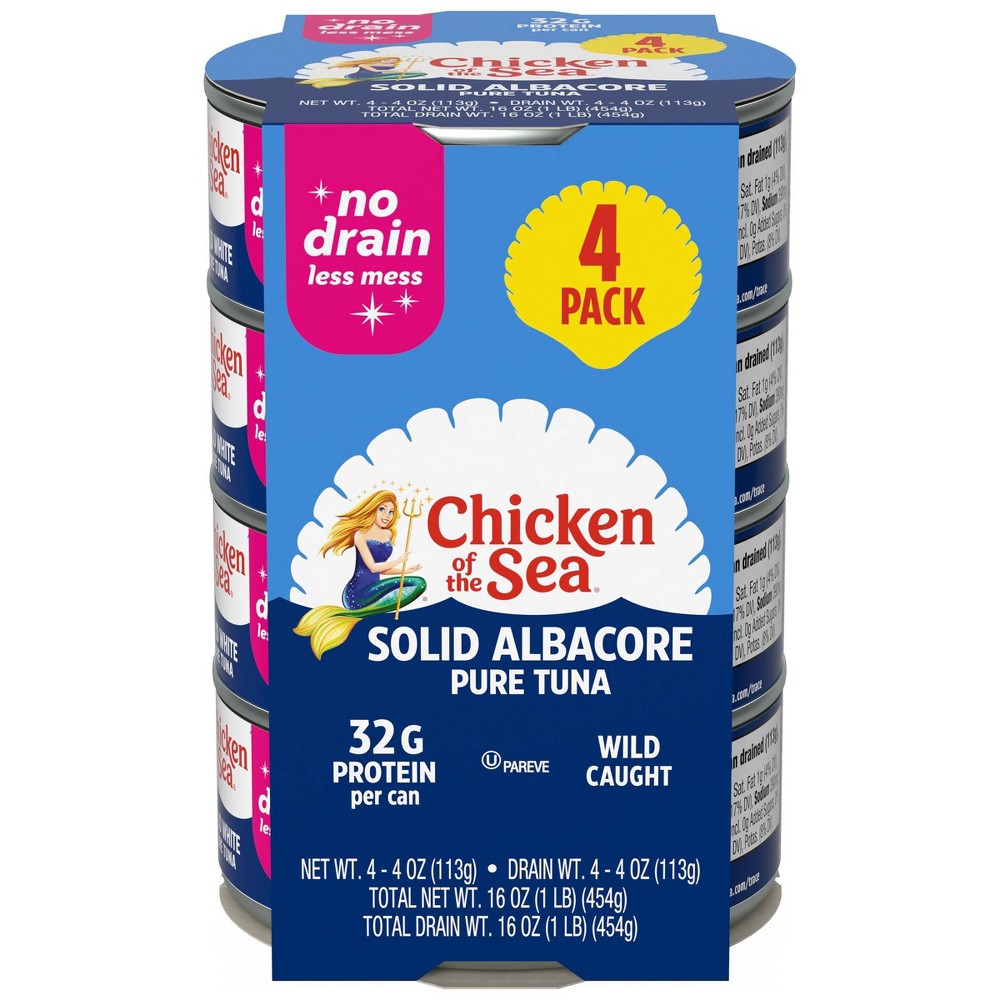


At a glance
Summary
This product contains beneficial ingredients like tuna, chicken, and liver, which are high-quality sources of protein and essential nutrients. However, it is moderately processed and includes natural flavors, which are less transparent and can be heavily processed. The presence of these processed elements and the overall processing level limit the score despite the presence of nutrient-dense ingredients.
Key ingredients 10
TunaGood
Tuna is a high-quality source of protein and omega-3 fatty acids, beneficial for heart and brain health. It is minimally processed and provides essential nutrients like vitamin D and selenium. Compared to plant-based proteins, tuna offers a complete amino acid profile.
Risks
Potential risk of mercury accumulation, especially in larger species, which can affect neurological health if consumed in excess.
Benefits
Rich in omega-3 fatty acids and high-quality protein, supporting cardiovascular and cognitive health.
ChickenGood
Chicken is a lean source of protein, providing essential amino acids and nutrients like B vitamins and phosphorus. It is minimally processed when used in whole form. Compared to red meats, chicken is lower in saturated fats.
Benefits
Offers high-quality protein and essential nutrients with lower saturated fat content compared to red meats.
LiverGood
Liver is a nutrient-dense organ meat rich in vitamins A, B12, and iron. It is minimally processed and offers significant health benefits when consumed in moderation. Compared to muscle meats, liver provides a higher concentration of essential nutrients.
Risks
Excessive consumption can lead to vitamin A toxicity due to its high concentration.
Benefits
Rich in essential vitamins and minerals, supporting overall health and vitality.
Tuna brothNeutral
Tuna broth is a liquid made from simmering tuna, providing flavor and some nutrients. It is minimally processed and typically free from additives. However, it does not contribute significant nutritional benefits beyond flavor enhancement.
Benefits
Provides a natural source of flavor without artificial additives.
Wheat glutenNeutral
Wheat gluten is a protein derived from wheat, often used to enhance texture and protein content. It is a processed ingredient but does not contain additives or artificial substances. Suitable for those without gluten sensitivities or celiac disease.
Risks
May cause adverse reactions in individuals with gluten intolerance or celiac disease.
Benefits
Provides a plant-based source of protein and improves texture in food products.
Pork lungsNeutral
Pork lungs are an organ meat that can provide protein and certain micronutrients. They are minimally processed but not commonly consumed in many diets. The nutritional profile can vary based on preparation and sourcing.
Risks
Potential for contamination if not sourced or cooked properly.
Benefits
Provides protein and micronutrients, though less commonly consumed than other meats.
Potassium chlorideNeutral
Potassium chloride is used as a salt substitute to reduce sodium content in foods. It is a processed ingredient but can help maintain electrolyte balance. Compared to sodium chloride, it offers a lower sodium alternative.
Risks
Excessive intake can lead to hyperkalemia, especially in individuals with kidney issues.
Benefits
Helps reduce sodium intake while providing potassium, an essential mineral for heart and muscle function.
Magnesium proteinateNeutral
Magnesium proteinate is a chelated form of magnesium, enhancing absorption and bioavailability. It is used to supplement magnesium in foods. Compared to inorganic forms, it may be gentler on the digestive system.
Benefits
Provides magnesium, supporting muscle and nerve function, and may improve absorption compared to other forms.
Zinc sulfateNeutral
Zinc sulfate is a mineral supplement used to provide zinc, an essential nutrient for immune function and wound healing. It is a processed form of zinc but necessary for maintaining health. Compared to other forms, it is commonly used for its effectiveness.
Risks
Excessive intake can lead to gastrointestinal discomfort and interfere with copper absorption.
Benefits
Essential for immune function and enzyme activity, supporting overall health.
Natural flavorBad
Natural flavor is a catch-all term for flavoring agents derived from natural sources but can be heavily processed. It lacks transparency regarding specific ingredients and processing methods. Compared to whole food ingredients, it offers no nutritional benefits.
Risks
Potential for undisclosed allergens and additives, leading to health concerns for sensitive individuals.
Processing
Processed Foods
Get the full breakdown in the Scout appTake Scout shopping
Scan any product to see lab results, healthy alternatives, and your personalized analysis.
Download on theApp Store GET IT ONGoogle Play