
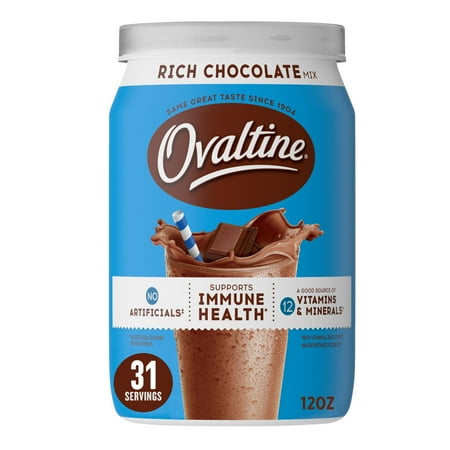

RICH CHOCOLATE MIX
Summary
This chocolate mix contains several concerning ingredients, including added sugar, which can contribute to obesity and metabolic disorders, and caramel color, which may contain harmful byproducts. Additionally, the presence of 'natural flavor' raises transparency issues, as it can mask various chemical additives. Despite being minimally processed, these ingredients impact the overall healthiness of the product.
At a glance
Key ingredients 9
SugarBad
Sugar is classified as bad due to its high caloric content and potential to contribute to obesity and metabolic disorders. It is often added in excessive amounts in processed foods, leading to increased risk of diabetes and heart disease. The lack of nutritional benefits makes it a concern in dietary consumption.
Risks
Excessive sugar intake is linked to obesity, type 2 diabetes, and heart disease.
Cocoa Processed With AlkaliNeutral
Cocoa processed with alkali, also known as Dutch-processed cocoa, is neutral due to the reduction of acidity and bitterness, which can affect antioxidant levels. The alkalization process can diminish some of the natural flavonoids present in cocoa. However, it still provides a rich chocolate flavor and some antioxidant properties.
Risks
The alkalization process may reduce the antioxidant content of cocoa.
Benefits
Provides a rich chocolate flavor and some antioxidant properties.
Beet Juice ColorNeutral
Beet juice color is used as a natural coloring agent and is considered neutral as it does not pose significant health risks. It is derived from beets and provides a natural alternative to synthetic dyes. While it adds color, it does not contribute significant nutritional value.
Benefits
Provides a natural coloring alternative without synthetic additives.
WheyNeutral
Whey is a byproduct of cheese production and is neutral due to its protein content and potential for lactose intolerance in some individuals. It is a complete protein source, providing essential amino acids. However, it may cause digestive issues for those with lactose intolerance.
Risks
May cause digestive issues for individuals with lactose intolerance.
Benefits
Provides a complete protein source with essential amino acids.
Caramel ColorBad
Caramel color is classified as bad due to its potential to contain harmful byproducts like 4-MEI, which may pose health risks. It is a widely used food coloring that can be produced through various methods, some of which may involve harmful chemicals. Its primary purpose is aesthetic, with no nutritional benefits.
Risks
May contain harmful byproducts like 4-MEI, which are potential carcinogens.
Natural FlavorBad
Natural flavor is classified as bad due to its vague labeling, which can mask a variety of chemical additives. It is often used to enhance taste without disclosing specific ingredients, leading to potential allergen exposure. The lack of transparency raises concerns about its overall health impact.
Risks
Potential allergen exposure and lack of transparency in ingredient composition.
CarrageenanNeutral
Carrageenan is a seaweed-derived thickener and stabilizer, considered neutral due to mixed evidence on its health effects. It is commonly used in food products to improve texture and stability. While some studies suggest potential digestive issues, it is generally recognized as safe in moderate amounts.
Risks
Some studies suggest potential digestive issues with excessive consumption.
Benefits
Improves texture and stability in food products.
Soy LecithinNeutral
Soy lecithin is an emulsifier derived from soybeans, considered neutral due to its widespread use and minimal health impact. It helps blend ingredients that typically do not mix well, such as oil and water. While it contains small amounts of soy proteins, it is generally safe for most people.
Risks
Contains small amounts of soy proteins, which may be a concern for those with soy allergies.
Benefits
Acts as an effective emulsifier, improving texture and consistency.
SaltNeutral
Salt is a common seasoning and preservative, considered neutral due to its essential role in bodily functions and potential health risks when consumed in excess. It enhances flavor and aids in food preservation. However, high sodium intake is linked to hypertension and cardiovascular issues.
Risks
High sodium intake is linked to hypertension and cardiovascular issues.
Benefits
Essential for bodily functions and enhances flavor.
Processing
Unprocessed or Minimally Processed Foods
Get the full breakdown in the Scout app
Scan any product to see lab results, healthy alternatives, and your personalized analysis.
Download on theApp Store