



At a glance
Summary
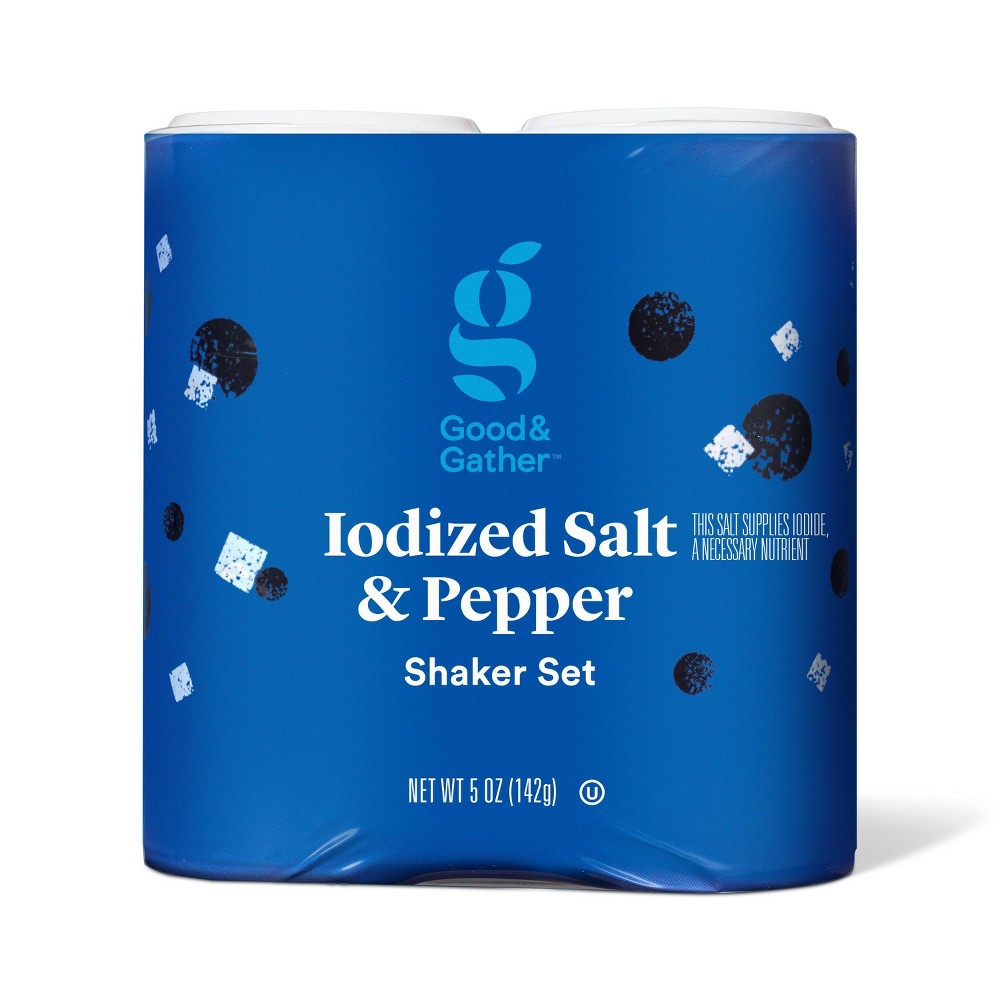
This product is primarily composed of sea salt, which is a minimally processed source of sodium and trace minerals. However, the inclusion of anticaking agents such as sodium carbonate, sodium ferrocyanide, and silicon dioxide introduces a moderate level of processing. While these additives help maintain the product's texture, they slightly detract from its overall purity and natural quality.
Key ingredients 4
Sea saltGood
Sea salt is a minimally processed source of sodium and trace minerals. It is harvested from evaporated seawater, retaining natural minerals like magnesium and calcium. Compared to refined table salt, it offers a more natural mineral profile.
Risks
Excessive consumption of sodium can lead to high blood pressure and cardiovascular issues.
Benefits
Provides essential sodium and trace minerals that are important for maintaining fluid balance and nerve function.
Sodium carbonateNeutral
Sodium carbonate is used as an anticaking agent to prevent clumping in salt. It is a common food additive with no significant health concerns at typical usage levels. It helps maintain the free-flowing nature of the salt.
See more about Sodium carbonate →Sodium ferrocyanideNeutral
Sodium ferrocyanide is an anticaking agent used in small amounts to prevent salt from clumping. It is considered safe for consumption at the levels used in food products. The compound is stable and does not release cyanide under normal conditions.
Silicon dioxideNeutral
Silicon dioxide is used as a free-flowing agent in powdered foods like salt. It is a naturally occurring mineral that is generally recognized as safe by food safety authorities. It helps maintain the texture and flow of the product.
See more about Silicon dioxide →Processing
Processed Culinary Ingredients
Get the full breakdown in the Scout appTake Scout shopping
Scan any product to see lab results, healthy alternatives, and your personalized analysis.
Download on theApp Store GET IT ONGoogle Play