


At a glance
Summary
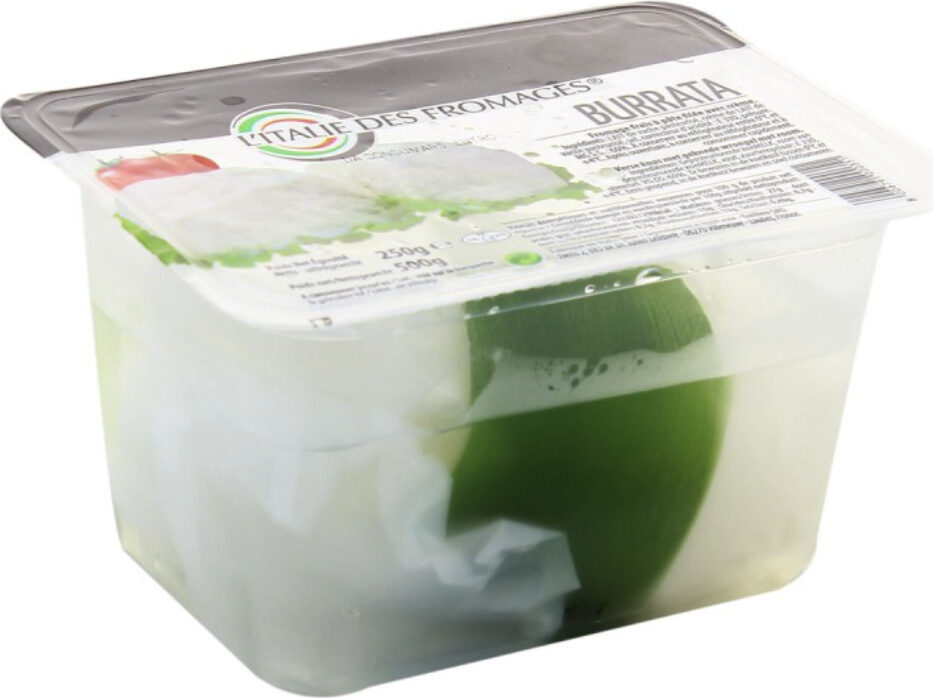
Burrata is a processed cheese product made primarily from pasteurized cow's milk and cream, which are beneficial for providing protein and calcium. The ingredient list is relatively clean with only one additive, citric acid, used as an acidity regulator. Despite its processing level, the absence of harmful ingredients like seed oils or artificial additives supports a higher score within its category.
Key ingredients 5
Pasteurized cow's milkGood
Pasteurized cow's milk is a primary source of protein and calcium, essential for bone health. The pasteurization process ensures safety by eliminating harmful bacteria. It provides a rich source of nutrients and is a staple in many dairy products.
Risks
Some individuals may be lactose intolerant or allergic to cow's milk proteins.
Benefits
Rich in calcium and protein, supporting bone health and muscle function.
Pasteurized creamGood
Pasteurized cream adds richness and flavor, contributing to the creamy texture of burrata. The pasteurization process ensures safety by reducing microbial risks. It is a source of fat-soluble vitamins and healthy fats.
Risks
High in saturated fats, which should be consumed in moderation to maintain heart health.
Benefits
Provides fat-soluble vitamins and enhances the creamy texture and flavor of the product.
RennetGood
Beneficial ingredient — whole-food or functional value in this product class.
Benefits
Essential for cheese production, providing texture and structure.
SaltNeutral
Salt is used to enhance flavor and preserve the cheese. It is a common ingredient in cheese-making, providing necessary sodium for flavor balance. While essential in small amounts, excessive consumption can lead to health issues.
Risks
Excessive sodium intake can contribute to high blood pressure and cardiovascular issues.
Benefits
Enhances flavor and acts as a preservative in cheese.
Acidity regulator E330Neutral
E330, also known as citric acid, is used to regulate acidity and enhance flavor. It is a naturally occurring acid found in citrus fruits and is widely used in food processing. It helps maintain the desired pH level in cheese.
Benefits
Helps maintain acidity and enhances flavor without significant health risks.
Processing
Processed Foods
Get the full breakdown in the Scout appTake Scout shopping
Scan any product to see lab results, healthy alternatives, and your personalized analysis.
Download on theApp Store GET IT ONGoogle Play