
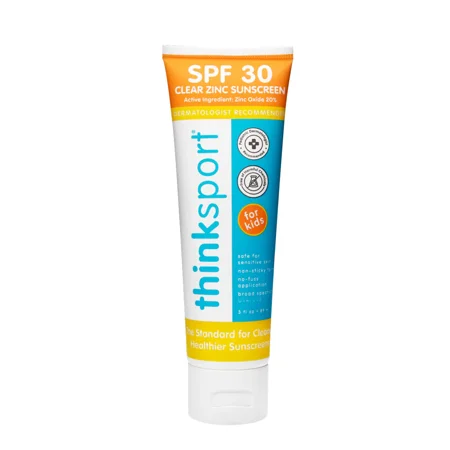
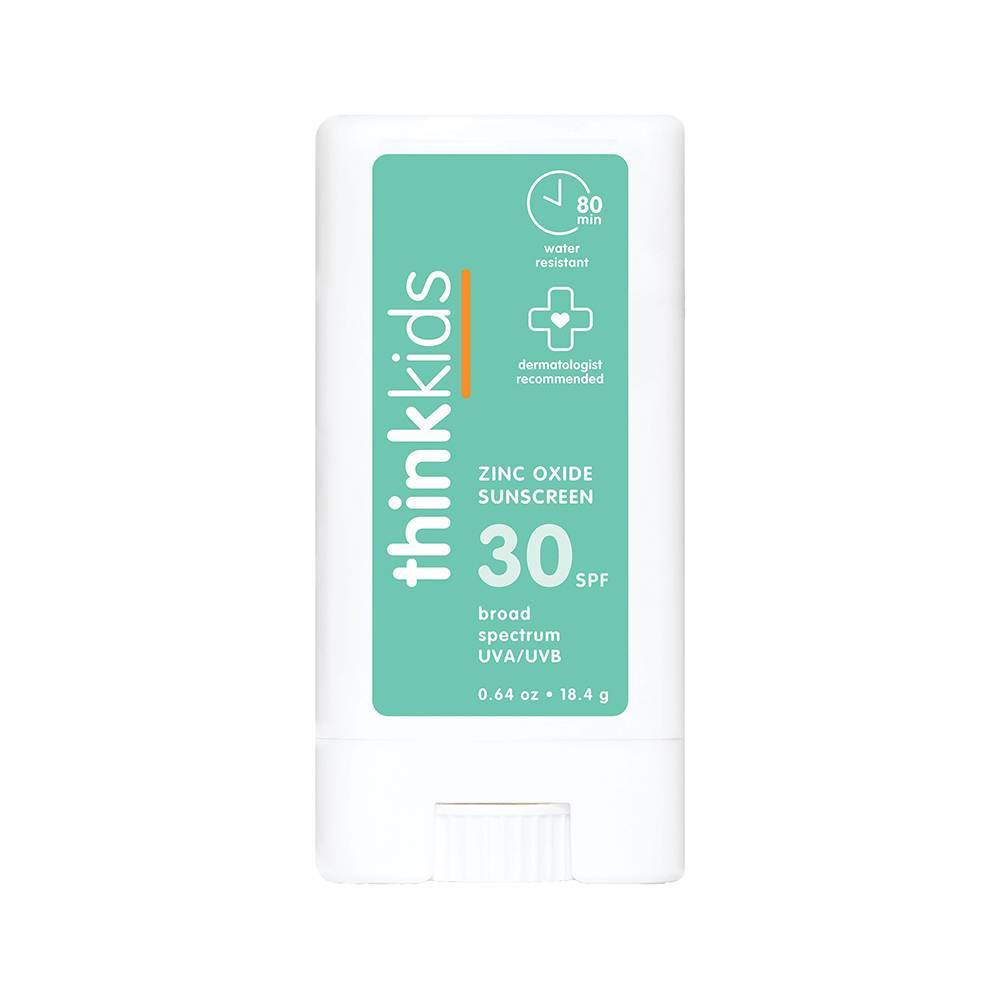
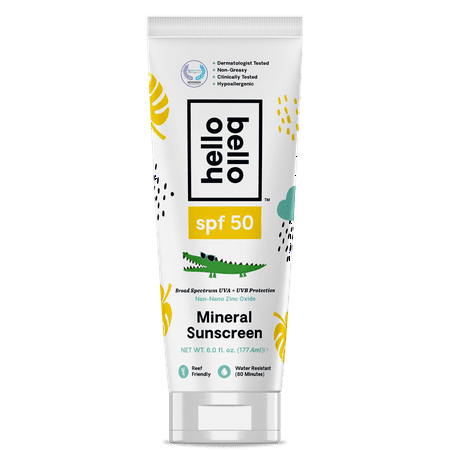


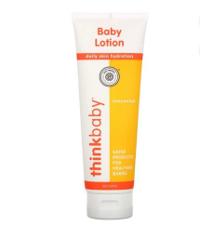
Thinksport - Snscrn Kids Clr Znc Spf30 - 1 Each -3 Fz
Analysis updated August 2026 · How Scout scores
At a glance
Summary
This sunscreen features zinc oxide as its primary active ingredient, which is a mineral filter known for its safety and effectiveness in providing broad-spectrum UV protection. The formulation includes beneficial natural ingredients such as organic aloe vera, avocado oil, and green tea extract, which offer soothing and antioxidant properties. The product is processed but maintains a clean ingredient list without harmful chemicals, making it a safe choice for sensitive skin.
Key ingredients 20
organic aloe barbadensis leaf juiceVery Good
Aloe vera is known for its soothing and moisturizing properties. It is beneficial for calming irritated skin and providing hydration.
Risks
Aloe vera is generally safe, but some individuals may experience allergic reactions.
Benefits
Aloe vera helps to soothe and hydrate the skin, making it ideal for use in sunscreens.
organic avocado oilVery Good
Avocado oil is rich in fatty acids and vitamins, providing nourishment and hydration to the skin. It is beneficial for dry and sensitive skin.
Risks
There are minimal risks, but some individuals may experience allergic reactions.
Benefits
Avocado oil helps to moisturize and protect the skin, enhancing the sunscreen's effectiveness.
virgin hemp seed oilVery Good
Hemp seed oil is known for its moisturizing and anti-inflammatory properties. It is rich in omega fatty acids.
Risks
There are minimal risks, but some individuals may experience allergic reactions.
Benefits
Hemp seed oil helps to soothe and hydrate the skin, making it beneficial in sunscreens.
organic cucumber extractVery Good
Cucumber extract is known for its cooling and soothing properties. It helps to calm irritated skin and reduce puffiness.
Risks
There are minimal risks associated with cucumber extract.
Benefits
It provides a refreshing and soothing effect on the skin, ideal for sun-exposed areas.
organic green tea extractVery Good
Green tea extract is rich in antioxidants, which help to protect the skin from environmental damage. It has anti-inflammatory properties.
Risks
There are minimal risks, but some individuals may experience sensitivity.
Benefits
Green tea extract helps to protect and soothe the skin, enhancing the sunscreen's protective qualities.
organic pomegranate juiceVery Good
Pomegranate juice is rich in antioxidants and vitamins, providing anti-aging benefits. It helps to protect the skin from environmental stressors.
Risks
There are minimal risks, but some individuals may experience sensitivity.
Benefits
Pomegranate juice helps to rejuvenate and protect the skin, enhancing the sunscreen's effectiveness.
zinc oxideGood
Zinc oxide is a mineral sunscreen agent that provides broad-spectrum UV protection. It is considered safe and effective for sensitive skin. It is non-comedogenic and does not penetrate the skin.
Risks
There are minimal risks associated with zinc oxide, primarily related to potential inhalation in powder form.
Benefits
Zinc oxide offers excellent protection against both UVA and UVB rays, making it a preferred choice for sunscreens.
capric/caprylic triglyceridesGood
Capric/caprylic triglycerides are derived from coconut oil and glycerin. They are used as emollients to provide a lightweight, non-greasy feel.
Risks
There are minimal risks associated with capric/caprylic triglycerides.
Benefits
These triglycerides help to moisturize and soften the skin without leaving a greasy residue.
tocopherolsGood
Tocopherols, or vitamin E, are antioxidants that help to protect the skin from free radical damage. They also provide moisturizing benefits.
Risks
There are minimal risks, but high concentrations may cause skin irritation.
Benefits
Vitamin E helps to nourish and protect the skin, supporting overall skin health.
hyaluronic acidGood
Hyaluronic acid is a powerful humectant that attracts and retains moisture in the skin. It is known for its hydrating and plumping effects.
Risks
There are minimal risks, but some individuals may experience irritation.
Benefits
Hyaluronic acid helps to keep the skin hydrated and supple, enhancing the sunscreen's moisturizing properties.
non-nanoNeutral
Non-nano refers to the particle size of zinc oxide, ensuring it does not penetrate the skin. This is a safety measure to prevent potential nanoparticle-related concerns.
Risks
There are no significant risks associated with non-nano zinc oxide.
Benefits
Non-nano zinc oxide is less likely to be absorbed into the skin, reducing potential health concerns.
purified waterNeutral
Purified water is used as a solvent in cosmetic formulations. It helps to dissolve other ingredients and provides a base for the product.
Risks
There are no significant risks associated with purified water.
Benefits
Purified water is essential for creating a stable and effective formulation.
sorbitan stearateNeutral
Sorbitan stearate is an emulsifier that helps to stabilize formulations. It is derived from sorbitol and stearic acid.
Risks
There are no significant risks associated with sorbitan stearate.
Benefits
It helps to maintain the consistency and stability of the product.
polyglyceryl-10 laurateNeutral
Polyglyceryl-10 laurate is an emulsifier that helps to blend oil and water components. It is derived from natural sources.
Risks
There are no significant risks associated with polyglyceryl-10 laurate.
Benefits
It aids in creating a smooth and uniform product texture.
cetyl dimethiconeNeutral
Cetyl dimethicone is a silicone-based ingredient used to improve the texture and spreadability of products. It provides a silky feel.
Risks
There are minimal risks, but some individuals may experience sensitivity to silicones.
Benefits
It enhances the application and feel of the sunscreen on the skin.
magnesium sulfateNeutral
Magnesium sulfate, also known as Epsom salt, is used as a thickening agent. It helps to improve the texture of the product.
Risks
There are no significant risks associated with magnesium sulfate.
Benefits
It contributes to the stability and consistency of the formulation.
helionoriNeutral
Helionori is an algae extract used for its UV protective properties. It helps to enhance the sunscreen's effectiveness.
Risks
There are no significant risks associated with helionori.
Benefits
It provides additional UV protection, supporting the primary sunscreen ingredients.
ethylhexylglycerinNeutral
Ethylhexylglycerin is used as a skin conditioning agent and preservative enhancer. It helps to improve the product's shelf life.
Risks
There are minimal risks, but some individuals may experience sensitivity.
Benefits
It helps to maintain the product's stability and effectiveness over time.
hydrogenated methyl abiateNeutral
Hydrogenated methyl abiate is used as a skin conditioning agent. It helps to improve the texture and feel of the product.
Risks
There are no significant risks associated with hydrogenated methyl abiate.
Benefits
It contributes to the smooth application and feel of the sunscreen.
polyaminopropyl biguanideNeutral
Polyaminopropyl biguanide is a preservative used to prevent microbial growth. It helps to ensure the product's safety and longevity.
Risks
There are minimal risks, but some individuals may experience sensitivity.
Benefits
It helps to maintain the product's safety and effectiveness by preventing contamination.
Processing
Processed Foods
Get the full breakdown in the Scout appTake Scout shopping
Scan any product to see lab results, healthy alternatives, and your personalized analysis.
Download on theApp Store GET IT ONGoogle Play