
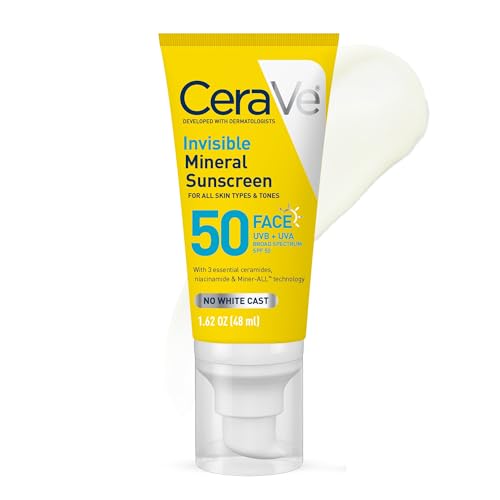



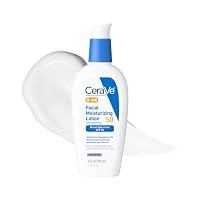

CeraVe Developed with Dermatologists Sunscreen Broad Spectrum SPF 50 Face / LOTION
Analysis updated August 2026 · How Scout scores
At a glance
Summary
This sunscreen contains beneficial ingredients like glycerin, niacinamide, and zinc oxide, which provide hydration, anti-inflammatory benefits, and broad-spectrum UV protection. However, the presence of synthetic ingredients such as styrene/acrylates copolymer and PEG compounds indicates a moderate level of processing. The inclusion of chemical UV filters and other synthetic components slightly reduces its overall safety profile.
Key ingredients 5
GlycerinGood
Glycerin is a humectant that attracts moisture to the skin, helping to keep it hydrated. It is widely used in skincare products for its ability to improve skin barrier function. It is generally well-tolerated and suitable for all skin types.
Risks
Glycerin is generally considered safe with minimal risk of irritation.
Benefits
It helps maintain skin hydration and improves the skin's natural barrier.
NiacinamideGood
Niacinamide is a form of Vitamin B3 that is known for its anti-inflammatory properties and ability to improve skin texture. It helps reduce redness and blotchiness, making it beneficial for sensitive skin. It also supports the skin barrier and can improve the appearance of enlarged pores.
Risks
Niacinamide is generally well-tolerated, but in rare cases, it may cause mild irritation.
Benefits
It improves skin texture, reduces inflammation, and strengthens the skin barrier.
Ceramide NPGood
Ceramide NP is a lipid that helps restore and maintain the skin's natural barrier. It is essential for retaining moisture and protecting the skin from environmental damage. Ceramides are naturally found in the skin and are crucial for healthy skin function.
Risks
Ceramide NP is generally safe and well-tolerated with no significant risks.
Benefits
It helps restore the skin barrier and retain moisture, improving skin hydration.
Sodium HyaluronateGood
Sodium Hyaluronate is a salt form of Hyaluronic Acid, known for its ability to hold up to 1000 times its weight in water. It provides intense hydration and plumps the skin, reducing the appearance of fine lines. It is suitable for all skin types and is non-irritating.
Risks
Sodium Hyaluronate is generally safe with minimal risk of irritation.
Benefits
It provides deep hydration and helps reduce the appearance of fine lines.
Zinc OxideGood
Zinc Oxide is a mineral sunscreen agent that provides broad-spectrum UV protection. It is non-comedogenic and suitable for sensitive skin, offering protection without irritation. It is often used in physical sunscreens for its effectiveness and safety.
Risks
Zinc Oxide is generally safe, but in rare cases, it may cause a white cast on the skin.
Benefits
It provides effective broad-spectrum UV protection and is suitable for sensitive skin.
Get the full breakdown in the Scout appTake Scout shopping
Scan any product to see lab results, healthy alternatives, and your personalized analysis.
Download on theApp Store GET IT ONGoogle PlayAmazon pricing & content
Amazon price as of . Product prices and availability are accurate as of the date/time indicated and are subject to change. Any price and availability information displayed on Amazon.com at the time of purchase will apply to the purchase of this product.
CERTAIN CONTENT THAT APPEARS ON THIS SITE COMES FROM AMAZON. THIS CONTENT IS PROVIDED “AS IS” AND IS SUBJECT TO CHANGE OR REMOVAL AT ANY TIME.