

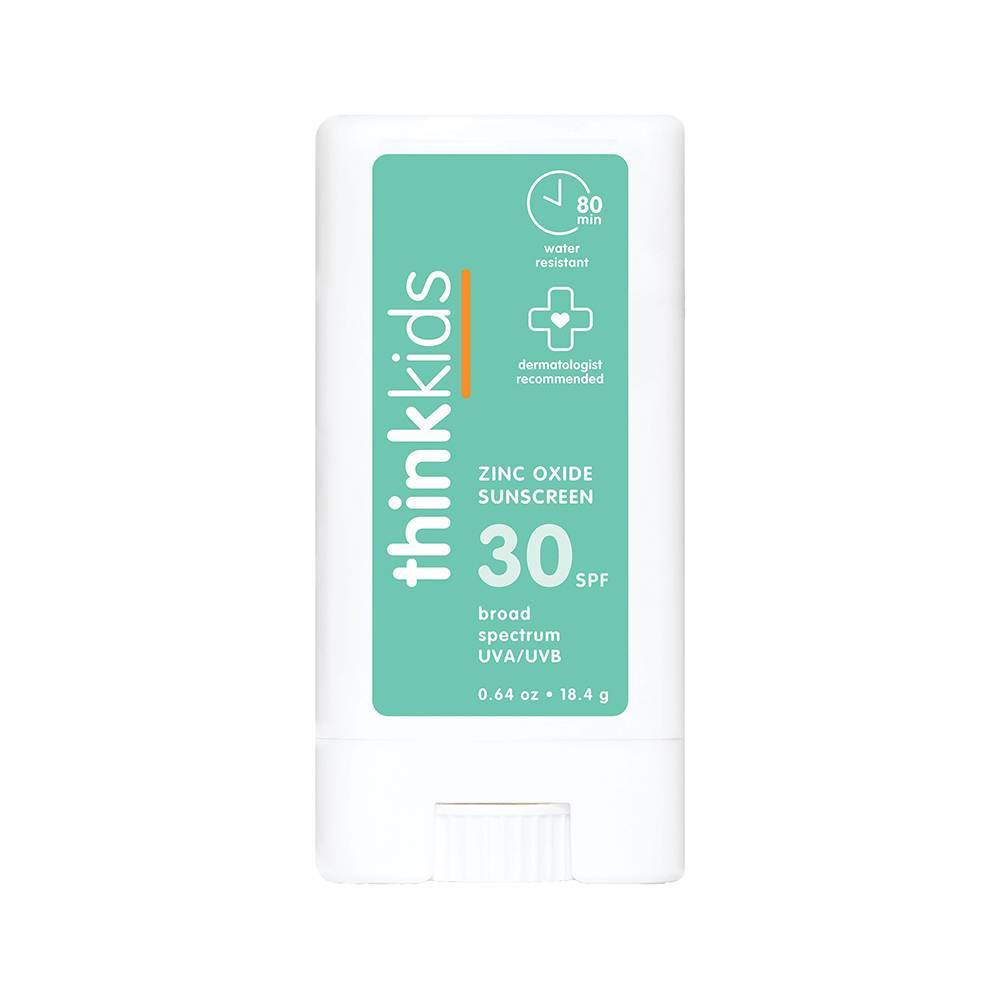
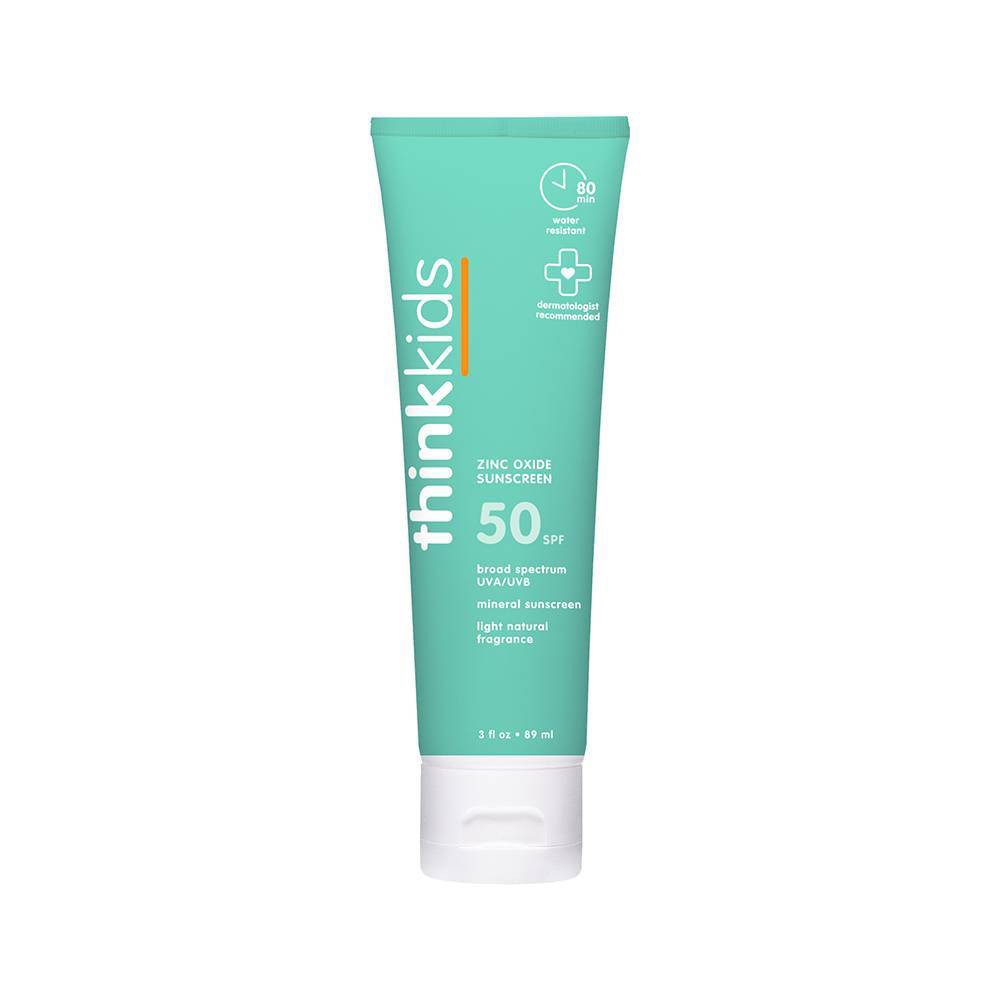

Thinkkids Clear Zinc Sunscreen
Analysis updated May 2026 · How Scout scores
At a glance
Summary
This sunscreen contains beneficial natural ingredients like aloe vera, jojoba oil, and vitamin E, which are known for their skin-soothing and moisturizing properties. However, the presence of synthetic additives and a higher level of processing reduces its overall score. Despite the inclusion of some high-quality oils, the product's formulation includes several synthetic components that impact its rating.
Key ingredients 6
Aloe Barbadensis Leaf JuiceVery Good
Aloe vera is known for its soothing and moisturizing properties, making it beneficial for skin care products. It helps to calm irritated skin and provides hydration. Its natural composition supports skin healing and reduces inflammation.
Risks
There are minimal risks associated with aloe vera, though some individuals may experience allergic reactions.
Benefits
Aloe vera is highly beneficial for its anti-inflammatory and hydrating effects, promoting skin health and comfort.
Simmondsia (Jojoba) Seed OilVery Good
Jojoba oil is a natural oil that closely resembles the skin's own sebum, making it an excellent moisturizer. It is non-comedogenic and helps to balance oil production. Its emollient properties make it suitable for all skin types.
Risks
Jojoba oil is generally safe, but in rare cases, it may cause allergic reactions.
Benefits
Jojoba oil is beneficial for its moisturizing and balancing properties, supporting healthy skin without clogging pores.
TocopherolVery Good
Tocopherol, or Vitamin E, is a powerful antioxidant that helps protect the skin from free radical damage. It supports skin repair and improves moisture retention. Its inclusion in skincare products enhances their protective and nourishing qualities.
Risks
Vitamin E is generally safe, though excessive use may cause skin irritation in sensitive individuals.
Benefits
Vitamin E is beneficial for its antioxidant properties, aiding in skin protection and hydration.
Olea Europaea (Olive) Fruit OilVery Good
Olive oil is rich in antioxidants and healthy fats, making it a nourishing ingredient for the skin. It helps to moisturize and protect the skin barrier. Its natural composition supports skin elasticity and smoothness.
Risks
Olive oil is generally safe, but it may cause breakouts in acne-prone skin due to its heavy nature.
Benefits
Olive oil is beneficial for its moisturizing and protective properties, enhancing skin softness and resilience.
Rubus (Raspberry) Seed OilVery Good
Raspberry seed oil is rich in essential fatty acids and antioxidants, providing excellent skin nourishment. It offers natural sun protection and helps to soothe and repair the skin. Its anti-inflammatory properties make it suitable for sensitive skin.
Risks
Raspberry seed oil is generally safe, with minimal risk of allergic reactions.
Benefits
Raspberry seed oil is beneficial for its nourishing and protective qualities, supporting skin health and resilience.
Vaccinium Macrocarpon (Cranberry) Seed OilVery Good
Cranberry seed oil is high in antioxidants and essential fatty acids, promoting skin hydration and protection. It helps to improve skin elasticity and reduce signs of aging. Its unique balance of omega-3 and omega-6 fatty acids supports skin barrier function.
Risks
Cranberry seed oil is generally safe, with a low risk of allergic reactions.
Benefits
Cranberry seed oil is beneficial for its hydrating and anti-aging properties, enhancing skin vitality and appearance.
Get the full breakdown in the Scout appTake Scout shopping
Scan any product to see lab results, healthy alternatives, and your personalized analysis.
Download on theApp Store GET IT ONGoogle PlayAmazon pricing & content
Amazon price as of . Product prices and availability are accurate as of the date/time indicated and are subject to change. Any price and availability information displayed on Amazon.com at the time of purchase will apply to the purchase of this product.
CERTAIN CONTENT THAT APPEARS ON THIS SITE COMES FROM AMAZON. THIS CONTENT IS PROVIDED “AS IS” AND IS SUBJECT TO CHANGE OR REMOVAL AT ANY TIME.