
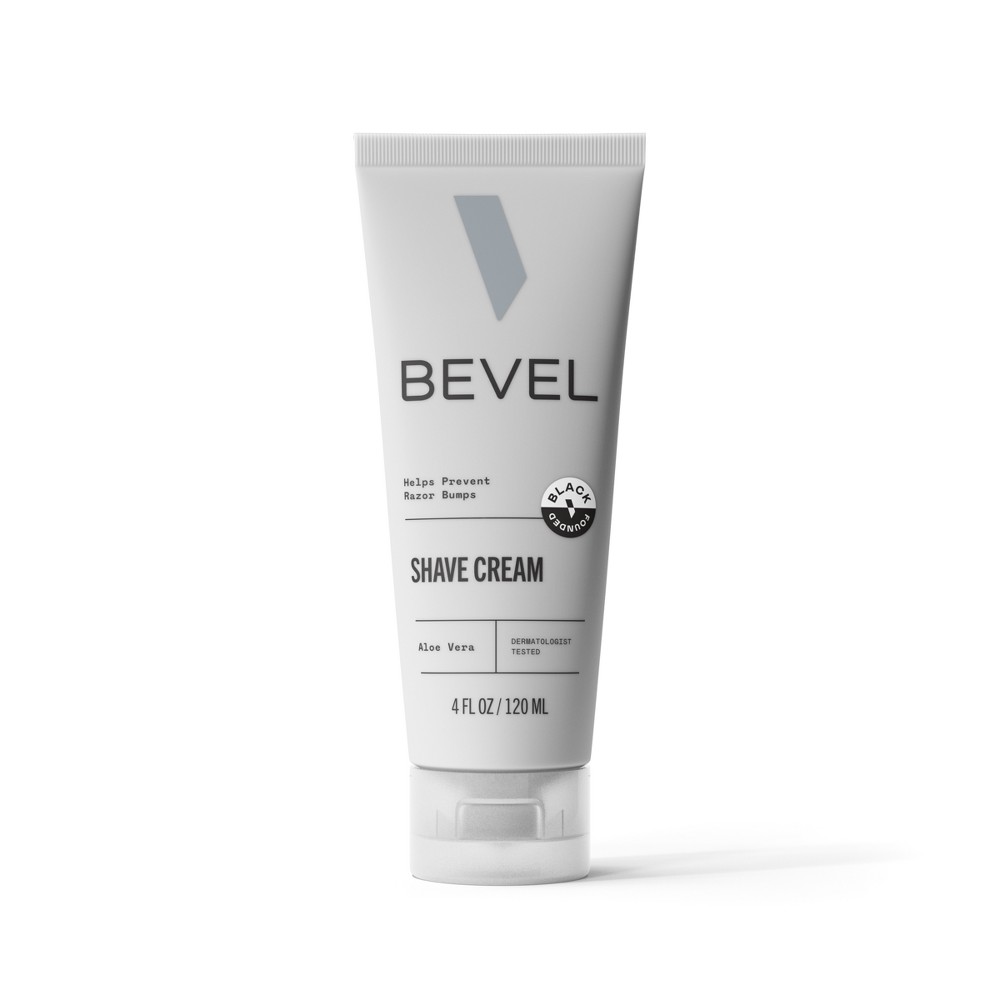

Bevel Men's Shave Cream, Moisturizing with Vitamin E and Aloe Vera - 4 fl oz
Summary
This shave cream contains beneficial ingredients like Vitamin E and aloe vera, which are known for their moisturizing and soothing properties. However, the presence of synthetic ingredients and emulsifiers, typical in processed personal care products, slightly lowers its score. The product avoids major harmful chemicals, but the processing level and inclusion of some synthetic components prevent it from achieving a higher rating.
At a glance
Key ingredients 12
Aloe Barbadensis Leaf Juice
Aloe vera is known for its soothing and moisturizing properties, making it beneficial for skin care products. It helps to hydrate the skin and reduce irritation. Its natural composition makes it a popular choice for sensitive skin formulations.
Risks
There are minimal risks associated with aloe vera, though some individuals may experience allergic reactions.
Benefits
Aloe vera provides excellent hydration and has anti-inflammatory properties that can soothe irritated skin.
Myristic Acid
Myristic acid is a fatty acid used as a cleansing agent and emulsifier in cosmetics. It helps to remove dirt and oil from the skin. It also contributes to the creamy texture of products.
Risks
In some cases, myristic acid can cause skin irritation, especially in sensitive individuals.
Benefits
It effectively cleanses the skin and helps maintain the product's consistency.
Glycerin
Glycerin is a humectant that attracts moisture to the skin, keeping it hydrated. It is widely used in skincare for its ability to improve skin barrier function. It is non-irritating and suitable for all skin types.
Risks
Glycerin is generally safe, but in rare cases, it can cause allergic reactions.
Benefits
It provides deep hydration and helps maintain the skin's moisture balance.
Stearic Acid
Stearic acid is a fatty acid used as an emulsifier and thickener in cosmetics. It helps to stabilize formulations and improve texture. It is derived from natural sources like vegetable oils.
Risks
Stearic acid is generally safe, but it can cause mild irritation in sensitive skin.
Benefits
It enhances product stability and provides a smooth texture.
Potassium Hydroxide
Potassium hydroxide is used to adjust the pH of cosmetic formulations. It helps to saponify oils and fats, creating a creamy texture. It is used in small amounts to ensure product safety.
Risks
In high concentrations, it can be irritating to the skin and eyes.
Benefits
It helps maintain the desired pH level and contributes to the product's texture.
Helianthus Annuus (Sunflower) Seed Oil
Sunflower seed oil is rich in essential fatty acids and vitamin E, making it nourishing for the skin. It helps to maintain the skin's natural barrier and prevent moisture loss. It is lightweight and non-comedogenic.
Risks
There are minimal risks, though some individuals may experience allergic reactions.
Benefits
It provides nourishment and helps to keep the skin soft and hydrated.
Cocos Nucifera (Coconut) Oil
Coconut oil is a natural emollient that moisturizes and softens the skin. It contains fatty acids that help to nourish and protect the skin barrier. It is widely used for its hydrating properties.
Risks
Coconut oil can clog pores in some individuals, leading to breakouts.
Benefits
It deeply moisturizes and provides a protective barrier for the skin.
Sodium Stearate
Sodium stearate is a salt of stearic acid used as a thickener and emulsifier in cosmetics. It helps to stabilize formulations and improve texture. It is derived from natural sources.
Risks
It is generally safe, but can cause mild irritation in sensitive skin.
Benefits
It enhances product stability and provides a smooth texture.
Tocopheryl Acetate
Tocopheryl acetate is a form of vitamin E used for its antioxidant properties. It helps to protect the skin from free radical damage. It also provides moisturizing benefits.
Risks
In rare cases, it can cause skin irritation or allergic reactions.
Benefits
It offers antioxidant protection and helps to maintain skin health.
Butyrospermum Parkii (Shea) Butter
Shea butter is a natural fat extracted from the nuts of the shea tree. It is known for its moisturizing and anti-inflammatory properties. It helps to soothe and soften the skin.
Risks
There are minimal risks, though some individuals may experience allergic reactions.
Benefits
It provides deep hydration and helps to improve skin elasticity.
Phenoxyethanol
Phenoxyethanol is a preservative used to prevent microbial growth in cosmetics. It helps to extend the shelf life of products. It is considered a safer alternative to parabens.
Risks
It can cause skin irritation and allergic reactions in some individuals.
Benefits
It effectively preserves the product and prevents contamination.
Fragrance
Fragrance is added to cosmetics to provide a pleasant scent. It is a mixture of aromatic compounds. However, it can be a source of allergens and irritants.
Risks
Fragrance can cause skin irritation and allergic reactions, especially in sensitive individuals.
Benefits
It enhances the sensory experience of the product.
Processing
Processed Foods
Get the full breakdown in the Scout app
Scan any product to see lab results, healthy alternatives, and your personalized analysis.
Download on theApp Store