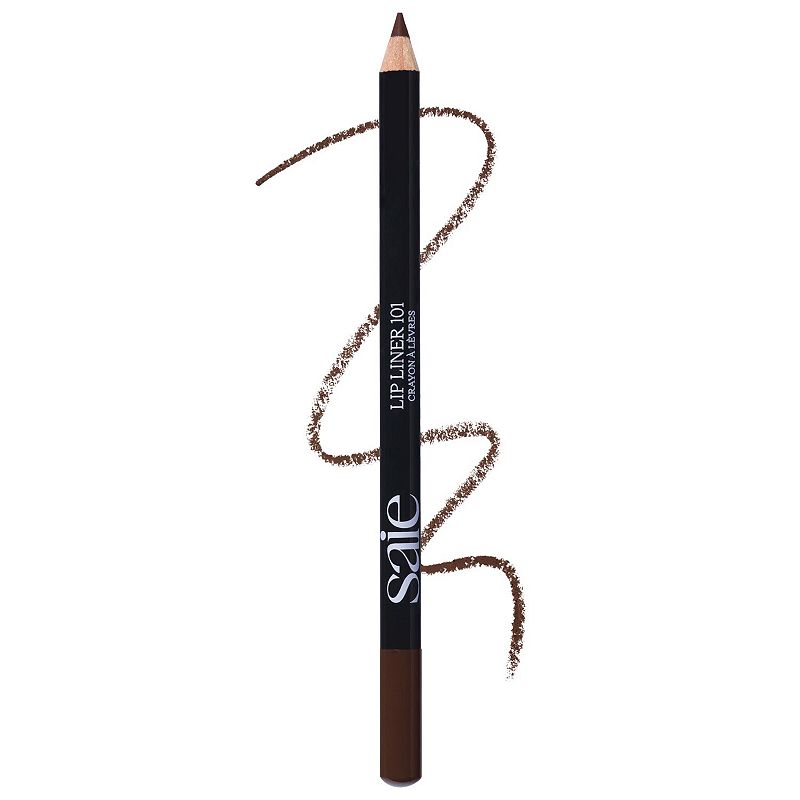
Saie Lip Liner 101: Creamy & Nourishing Lip Pencil, Size: .05Oz, Coy
At a glance
Summary
This lip liner features a blend of natural oils and waxes, such as jojoba oil, meadowfoam seed oil, and shea butter, which provide excellent moisturizing and nourishing properties. The formulation avoids harmful chemicals and synthetic fragrances, making it a safe choice for sensitive skin. The presence of natural minerals like mica and titanium dioxide further enhances its safety profile, contributing to a clean and minimally processed product. Its plastic packaging can shed microplastics into the product and lowers its score.
Key ingredients 17
Hydrogenated Jojoba OilVery Good
Hydrogenated jojoba oil is a stable form of jojoba oil, known for its moisturizing properties. It mimics the skin's natural oils, providing hydration without clogging pores. It is non-comedogenic and suitable for sensitive skin.
Risks
There are minimal risks associated with hydrogenated jojoba oil, making it safe for most skin types.
Benefits
It provides excellent moisturizing benefits and helps maintain skin elasticity.
Limnanthes Alba (Meadowfoam) Seed OilVery Good
Meadowfoam seed oil is rich in long-chain fatty acids, which help to lock in moisture and provide a protective barrier. It is known for its stability and resistance to oxidation, making it a great ingredient for cosmetics.
Risks
There are no significant risks associated with meadowfoam seed oil.
Benefits
It offers excellent moisturizing properties and enhances the skin's natural barrier.
Mangifera Indica (Mango) Seed OilVery Good
Mango seed oil is rich in fatty acids and antioxidants, providing excellent moisturizing and nourishing properties. It helps to soothe and protect the skin.
Risks
There are minimal risks associated with mango seed oil.
Benefits
It offers deep hydration and helps to improve skin texture.
Butyrospermum Parkii (Shea) ButterVery Good
Shea butter is a rich emollient known for its moisturizing and anti-inflammatory properties. It is widely used to soothe and hydrate the skin.
Risks
There are minimal risks, though it may cause allergic reactions in individuals with nut allergies.
Benefits
It provides deep hydration and helps to improve skin elasticity.
Simmondsia Chinensis (Jojoba) Seed OilVery Good
Jojoba oil is a natural oil that closely resembles the skin's sebum, providing excellent moisturizing properties. It is non-comedogenic and suitable for all skin types.
Risks
There are minimal risks associated with jojoba oil.
Benefits
It helps to balance oil production and provides long-lasting hydration.
TocopherolVery Good
Tocopherol, or Vitamin E, is a powerful antioxidant that helps to protect the skin from free radical damage. It also provides moisturizing benefits.
Risks
There are minimal risks, though it may cause irritation in very sensitive individuals.
Benefits
It enhances skin protection and provides anti-aging benefits.
Helianthus Annuus (Sunflower) Seed OilVery Good
Sunflower seed oil is rich in essential fatty acids and Vitamin E, providing excellent moisturizing and nourishing properties. It helps to maintain the skin's natural barrier.
Risks
There are minimal risks associated with sunflower seed oil.
Benefits
It offers deep hydration and helps to soothe and protect the skin.
Caprylic/Capric TriglycerideGood
Caprylic/capric triglyceride is derived from coconut oil and glycerin, providing a lightweight and non-greasy emollient. It helps to improve the spreadability of products and is well-tolerated by most skin types.
Risks
There are minimal risks, though it may cause irritation in very sensitive individuals.
Benefits
It enhances the texture of formulations and provides a silky feel.
MicaGood
Beneficial ingredient — whole-food or functional value in this product class.
Risks
Inhalation of mica particles can be a concern in loose powder forms, but it is generally safe in solid formulations.
Benefits
It provides a natural shimmer and enhances the visual appeal of products.
Copernicia Cerifera (Carnauba) WaxGood
Carnauba wax is a natural wax that provides a glossy finish and helps to stabilize formulations. It is commonly used in lip products for its smooth application.
Risks
There are minimal risks associated with carnauba wax.
Benefits
It enhances the texture and longevity of products.
Ascorbyl PalmitateGood
Ascorbyl palmitate is a stable form of Vitamin C, known for its antioxidant properties. It helps to protect the skin from oxidative stress and improve skin tone.
Risks
There are minimal risks, though it may cause irritation in very sensitive individuals.
Benefits
It provides antioxidant protection and helps to brighten the skin.
Euphorbia Cerifera (Candelilla) WaxNeutral
Standard formulation ingredient — neither beneficial nor harmful at typical use.
Risks
There are minimal risks associated with candelilla wax.
Benefits
It provides a smooth application and enhances the texture of products.
SilicaNeutral
Silica is used in cosmetics to improve texture and absorb excess oil. It is generally considered safe for topical use.
Risks
Inhalation of silica particles can be a concern, but it is safe in solid formulations.
Benefits
It helps to control shine and improve the feel of products.
Titanium Dioxide (Ci 77891)Neutral
Titanium dioxide is a mineral used as a pigment and UV filter in cosmetics. It is generally considered safe for topical use.
Risks
Inhalation of titanium dioxide particles can be a concern, but it is safe in solid formulations.
Benefits
It provides UV protection and enhances the opacity of products.
Iron Oxides (Ci 77491, Ci 77492, Ci 77499)Neutral
Iron oxides are natural pigments used to provide color in cosmetics. They are generally considered safe for use in cosmetics.
Risks
There are minimal risks associated with iron oxides.
Benefits
They provide natural and stable color to cosmetic products.
Yellow 5 Lake (Ci 19140)Neutral
Yellow 5 Lake is a synthetic dye used to provide color in cosmetics. It is approved for use in cosmetics by regulatory agencies.
Risks
Some individuals may experience allergic reactions to synthetic dyes.
Benefits
It provides vibrant color to cosmetic formulations.
Red 6 (Ci 15850)Neutral
Red 6 is a synthetic dye used to provide color in cosmetics. It is approved for use in cosmetics by regulatory agencies.
Risks
Some individuals may experience allergic reactions to synthetic dyes.
Benefits
It provides vibrant color to cosmetic formulations.
Get the full breakdown in the Scout appTake Scout shopping
Scan any product to see lab results, healthy alternatives, and your personalized analysis.
Are you Saie? Fix an error Get the badge Get tested
Amazon pricing & content
Amazon price as of . Product prices and availability are accurate as of the date/time indicated and are subject to change. Any price and availability information displayed on Amazon.com at the time of purchase will apply to the purchase of this product.
CERTAIN CONTENT THAT APPEARS ON THIS SITE COMES FROM AMAZON. THIS CONTENT IS PROVIDED “AS IS” AND IS SUBJECT TO CHANGE OR REMOVAL AT ANY TIME.