
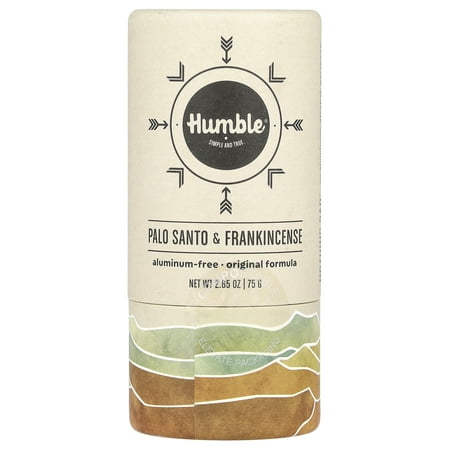
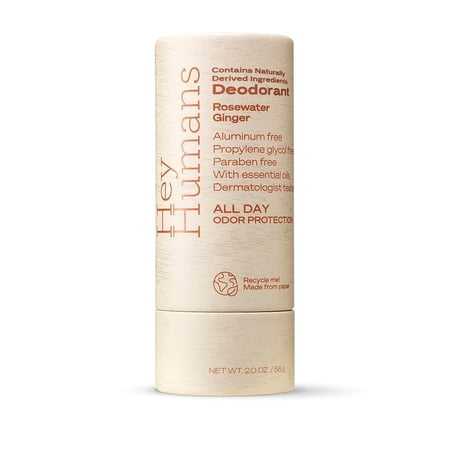
Humble Brands Aluminum-Free Deodorant Palo Santo & Frankincense 2.65 oz (75 g)
Summary
This deodorant features beneficial ingredients like magnesium hydroxide, which acts as a natural odor neutralizer, and candelilla wax, providing structure without the use of animal products. However, the presence of limonene, a potential skin irritant, slightly detracts from its overall safety profile. The product is processed, which limits its maximum potential score, but it still maintains a relatively clean ingredient list compared to more conventional deodorants.
At a glance
Key ingredients 12
Caprylic/Capric TriglycerideGood
Caprylic/Capric Triglyceride is a neutral oil derived from coconut oil and glycerin. It is known for its moisturizing properties and is often used in personal care products for its ability to improve skin hydration. This ingredient is minimally processed and considered safe for most skin types.
Benefits
It provides excellent skin conditioning and helps to improve the texture of the product.
Zea Mays StarchGood
Zea Mays Starch, commonly known as corn starch, is used as an absorbent and thickening agent. It helps to absorb moisture and reduce friction, making it beneficial in deodorant formulations. This ingredient is derived from corn and is generally considered safe and non-irritating.
Benefits
It effectively absorbs moisture, helping to keep the skin dry and comfortable.
Magnesium HydroxideVery Good
Magnesium Hydroxide is a naturally occurring mineral used as an odor neutralizer in deodorants. It works by raising the pH of the skin, which inhibits the growth of odor-causing bacteria. This ingredient is a safer alternative to aluminum compounds found in many antiperspirants.
Benefits
It effectively neutralizes odor without blocking sweat glands, making it a preferred choice for natural deodorants.
Euphorbia Cerifera WaxGood
Euphorbia Cerifera Wax, also known as candelilla wax, is a plant-based wax used to provide structure and stability to cosmetic formulations. It is a vegan alternative to beeswax and is known for its emollient properties. This wax is derived from the leaves of the candelilla shrub and is minimally processed.
Benefits
It helps to form a protective barrier on the skin, locking in moisture and enhancing the product's texture.
Citrus Aurantium Bergamia Peel OilNeutral
Citrus Aurantium Bergamia Peel Oil, or bergamot oil, is used for its fragrance and potential antibacterial properties. It is extracted from the peel of the bergamot orange and is often used in aromatherapy. However, it can cause photosensitivity when applied to the skin and exposed to sunlight.
Risks
May cause photosensitivity and skin irritation when exposed to sunlight.
Benefits
It provides a pleasant citrus scent and may offer mild antibacterial benefits.
Zingiber Officinale Root OilNeutral
Zingiber Officinale Root Oil, or ginger root oil, is used for its fragrance and potential anti-inflammatory properties. It is extracted from the root of the ginger plant and is known for its warming and soothing effects. While generally safe, it can cause irritation in sensitive individuals.
Risks
May cause skin irritation in sensitive individuals.
Benefits
It offers a warm, spicy aroma and may provide soothing benefits to the skin.
Lavandula Officinalis Flower OilNeutral
Lavandula Officinalis Flower Oil, commonly known as lavender oil, is used for its calming fragrance and potential antimicrobial properties. It is extracted from the flowers of the lavender plant and is widely used in aromatherapy. While beneficial, it can cause allergic reactions in some individuals.
Risks
May cause allergic reactions or skin irritation in sensitive individuals.
Benefits
It provides a soothing scent and may offer antimicrobial benefits.
LimoneneBad
Limonene is a naturally occurring compound found in citrus oils, used for its fragrance. It is often added to personal care products for its fresh scent. However, it can oxidize and become a skin irritant or allergen, especially in sensitive individuals.
Risks
May cause skin irritation or allergic reactions upon oxidation.
Benefits
It provides a fresh citrus scent and may have mild antibacterial properties.
LinaloolNeutral
Linalool is a naturally occurring terpene alcohol found in many flowers and spice plants, used for its pleasant floral scent. It is commonly used in fragrances and personal care products. While generally safe, it can cause allergic reactions in some individuals.
Risks
May cause allergic reactions or skin irritation in sensitive individuals.
Benefits
It provides a pleasant floral aroma and may have calming effects.
CitralNeutral
Citral is a naturally occurring compound found in the oils of several plants, used for its lemon scent. It is often used in fragrances and flavorings. However, it can cause skin irritation or allergic reactions in sensitive individuals.
Risks
May cause skin irritation or allergic reactions in sensitive individuals.
Benefits
It provides a fresh lemon scent and may have antimicrobial properties.
GeraniolNeutral
Geraniol is a naturally occurring monoterpenoid and alcohol, used for its rose-like scent. It is commonly used in perfumes and personal care products. While generally safe, it can cause allergic reactions in some individuals.
Risks
May cause allergic reactions or skin irritation in sensitive individuals.
Benefits
It provides a pleasant rose-like aroma and may have insect-repelling properties.
CoumarinNeutral
Coumarin is a fragrant organic chemical compound found in many plants, used for its sweet scent. It is often used in perfumes and flavorings. While generally safe in small amounts, it can cause skin irritation or allergic reactions in sensitive individuals.
Risks
May cause skin irritation or allergic reactions in sensitive individuals.
Benefits
It provides a sweet, vanilla-like aroma and is used to enhance fragrance profiles.
Processing
Processed Foods
Get the full breakdown in the Scout app
Scan any product to see lab results, healthy alternatives, and your personalized analysis.
Download on theApp Store