
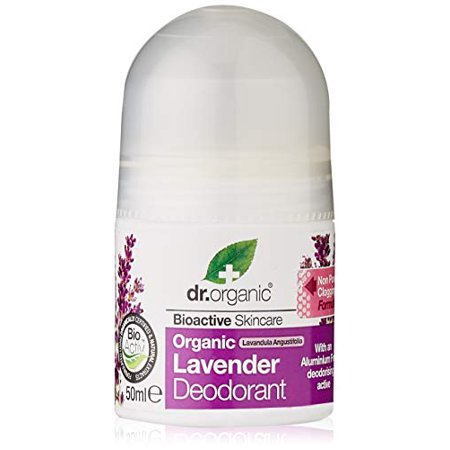
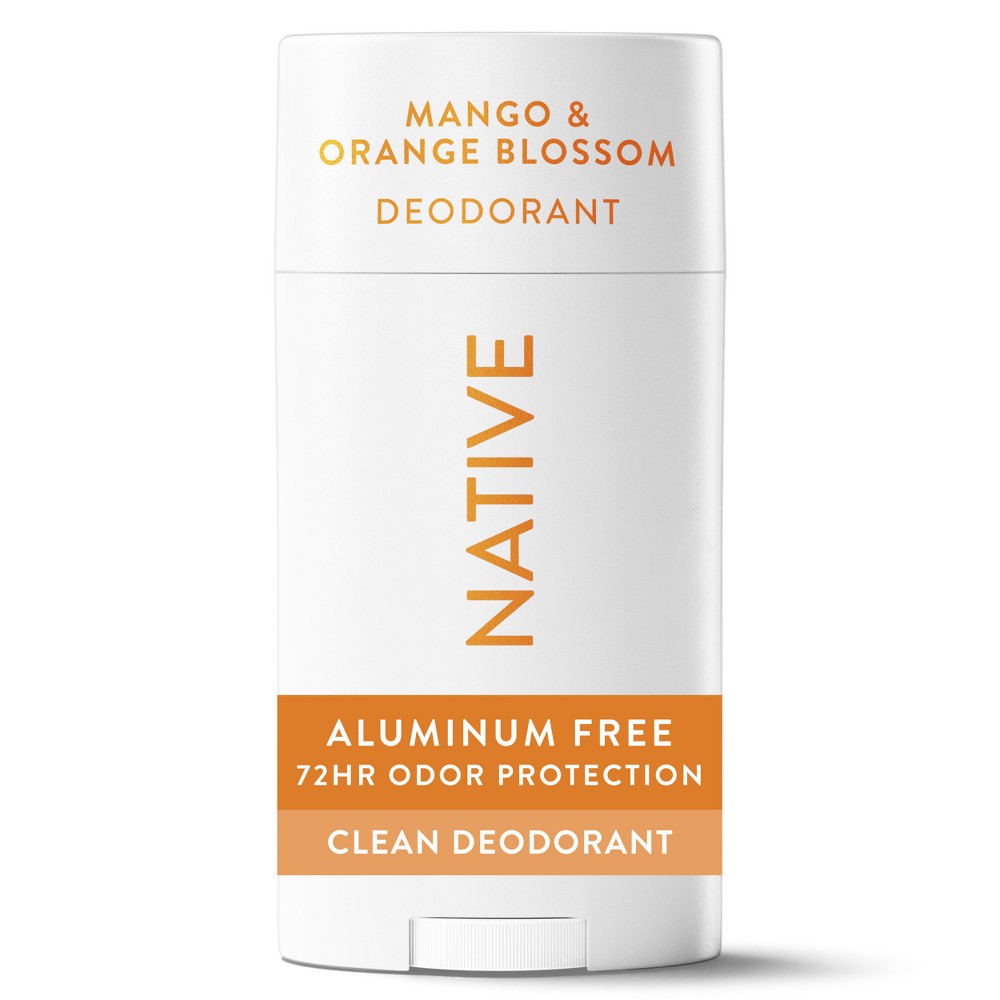

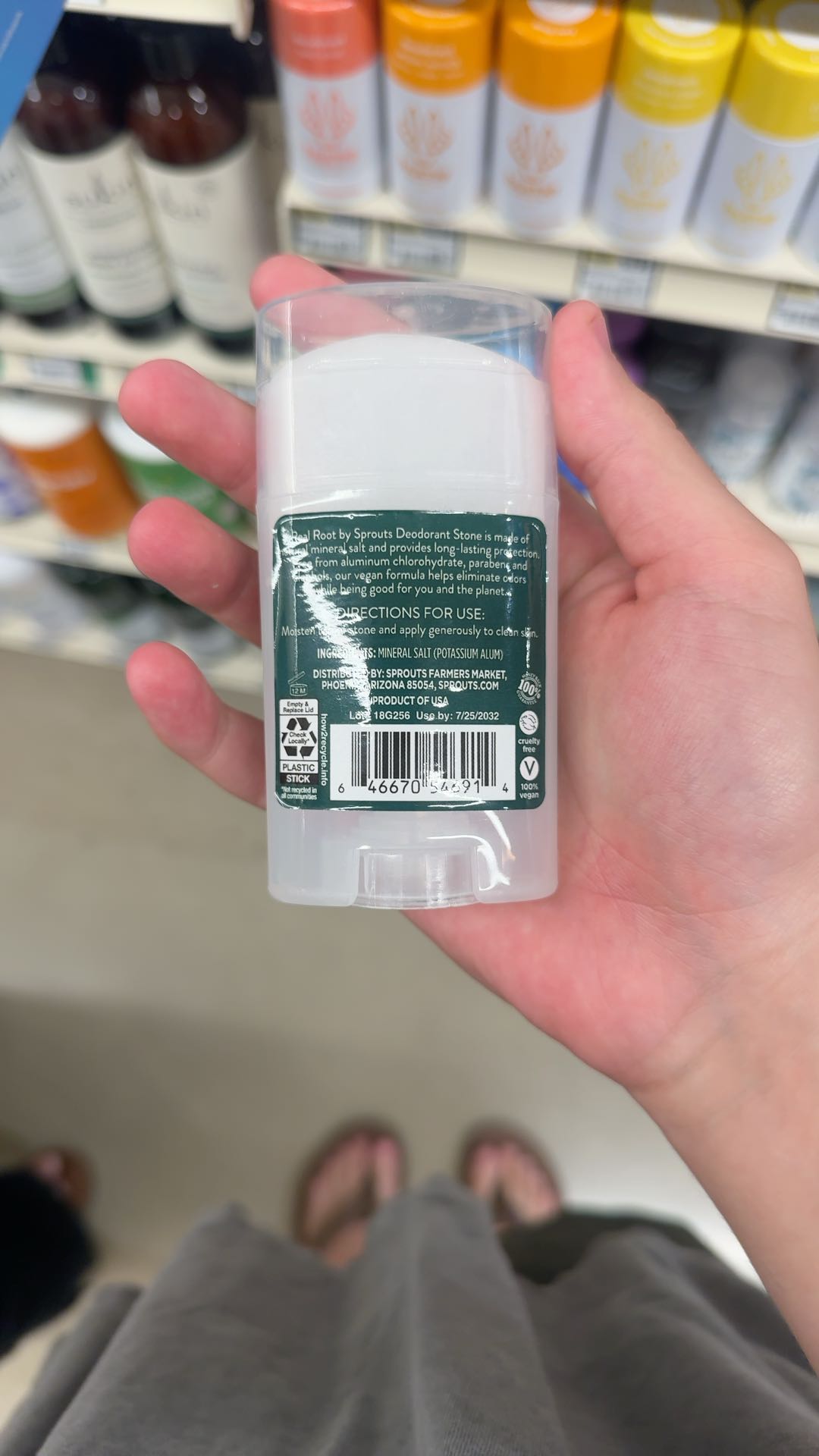
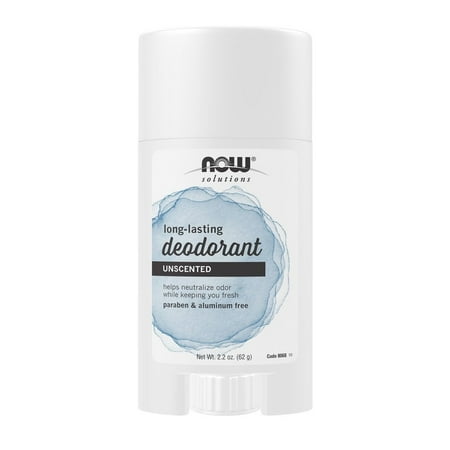
Dr Organic Lavender Deodorant
Analysis updated October 2026 · How Scout scores
At a glance
Summary
This deodorant features a clean formula with beneficial ingredients like aloe vera, lavender oil, and baking soda, which provide natural odor control and skin nourishment. It is free from aluminum, synthetic fragrances, and propylene glycol, making it a safe choice for those seeking a natural deodorant. The inclusion of natural oils and antioxidants further enhances its skin-friendly profile.
Key ingredients 22
Aloe barbadensis leaf juice powderVery Good
Aloe vera is known for its soothing and moisturizing properties. It helps to calm irritated skin and provides hydration. Its organic nature adds to its positive profile.
Risks
There are minimal risks associated with aloe vera, though some individuals may experience allergic reactions.
Benefits
Aloe vera is beneficial for its anti-inflammatory and skin-soothing properties.
Lavandula angustifolia oilGood
Lavender oil is a natural antimicrobial agent that can help reduce bacteria responsible for body odor. It also provides a pleasant natural fragrance.
Risks
Some people may experience skin irritation or allergic reactions to lavender oil.
Benefits
Lavender oil is beneficial for its antimicrobial properties and calming scent.
Sodium bicarbonateGood
Sodium bicarbonate, or baking soda, is an effective natural odor neutralizer. It helps to maintain a neutral pH, reducing the growth of odor-causing bacteria.
Risks
Baking soda can cause skin irritation in some individuals, especially with prolonged use.
Benefits
It is beneficial for its ability to neutralize odors naturally.
TocopherolGood
Tocopherol, or vitamin E, is an antioxidant that helps protect the skin from damage. It also aids in moisturizing and nourishing the skin.
Risks
There are minimal risks, though excessive use can lead to skin irritation.
Benefits
Vitamin E is beneficial for its antioxidant properties and skin nourishment.
Helianthus annuus seed oilGood
Sunflower seed oil is rich in vitamins and fatty acids that nourish and protect the skin. It is a natural emollient that helps to maintain skin moisture.
Risks
There are minimal risks, though it may cause allergic reactions in sensitive individuals.
Benefits
It is beneficial for its moisturizing and skin-protective properties.
GlycerinGood
Glycerin is a humectant that attracts moisture to the skin, keeping it hydrated. It is widely used in skincare for its moisturizing properties.
Risks
Glycerin is generally safe, but in rare cases, it can cause irritation.
Benefits
It is beneficial for its ability to hydrate and maintain skin moisture.
Zinc ricinoleateNeutral
Zinc ricinoleate is used to trap and absorb odor molecules. It does not prevent sweating but helps to control odor.
Risks
There are minimal risks, though it may not be effective for everyone.
Benefits
It is beneficial for its odor-absorbing properties.
Lauryl glucosideNeutral
Lauryl glucoside is a mild surfactant used for its cleansing properties. It is derived from natural sources like coconut oil and glucose.
Risks
It is generally safe, but can cause mild irritation in sensitive individuals.
Benefits
It is beneficial for its gentle cleansing properties.
Polyglyceryl-2 dipolyhydroxystearateNeutral
This ingredient is used as an emulsifier to stabilize formulations. It is derived from natural sources and is considered safe.
Risks
There are minimal risks associated with this ingredient.
Benefits
It is beneficial for its role in stabilizing product formulations.
Cetearyl alcoholNeutral
Cetearyl alcohol is a fatty alcohol used as an emollient and thickener. It helps to soften and smooth the skin.
Risks
It is generally safe, but can cause irritation in very sensitive skin.
Benefits
It is beneficial for its emollient properties and ability to improve product texture.
Glyceryl caprylateNeutral
Glyceryl caprylate is used as an emollient and co-emulsifier. It is derived from natural sources and helps to maintain skin moisture.
Risks
There are minimal risks, though it may cause irritation in sensitive individuals.
Benefits
It is beneficial for its moisturizing properties.
Polyglyceryl-3 stearateNeutral
Polyglyceryl-3 stearate is used as an emulsifier to blend oil and water. It is derived from natural sources and is considered safe.
Risks
There are minimal risks associated with this ingredient.
Benefits
It is beneficial for its role in stabilizing emulsions.
Myristyl myristateNeutral
Myristyl myristate is used as an emollient and thickener. It helps to improve the texture and feel of products.
Risks
It is generally safe, but can cause mild irritation in sensitive skin.
Benefits
It is beneficial for its emollient properties and ability to enhance product texture.
Xanthan gumNeutral
Xanthan gum is used as a thickening agent and stabilizer. It is derived from natural sources and helps to improve product consistency.
Risks
There are minimal risks, though it may cause irritation in very sensitive individuals.
Benefits
It is beneficial for its thickening and stabilizing properties.
Glycyrrhetinic acidNeutral
Glycyrrhetinic acid is derived from licorice root and is used for its anti-inflammatory properties. It helps to soothe irritated skin.
Risks
There are minimal risks, though it may cause irritation in sensitive individuals.
Benefits
It is beneficial for its soothing and anti-inflammatory properties.
Sodium phytateNeutral
Sodium phytate is used as a chelating agent to stabilize formulations. It helps to prevent discoloration and degradation of products.
Risks
There are minimal risks associated with this ingredient.
Benefits
It is beneficial for its stabilizing properties.
Citric acidNeutral
Citric acid is used to adjust the pH of formulations. It is derived from citrus fruits and is considered safe.
Risks
It can cause irritation in sensitive skin if used in high concentrations.
Benefits
It is beneficial for its pH-adjusting properties.
Sodium stearoyl lactylateBad
Processed additive flagged under Scout's ingredient doctrine.
Risks
It is generally safe, with minimal risk of irritation.
Benefits
It is beneficial for its emulsifying and conditioning properties.
Sodium benzoateBad
Synthetic preservative that can form benzene in the presence of vitamin C.
Risks
There are minimal risks, though it can cause irritation in sensitive individuals.
Benefits
It is beneficial for its preservative properties.
Potassium sorbateBad
Synthetic preservative — flagged in daily-use products.
Risks
There are minimal risks, though it can cause irritation in sensitive individuals.
Benefits
It is beneficial for its preservative properties.
LinaloolBad
Processed additive flagged under Scout's ingredient doctrine.
Risks
It can cause allergic reactions or skin irritation in sensitive individuals.
Benefits
It is beneficial for its pleasant fragrance.
LimoneneBad
Processed additive flagged under Scout's ingredient doctrine.
Risks
It can cause skin irritation or allergic reactions in sensitive individuals.
Benefits
It is beneficial for its pleasant citrus scent.
Get the full breakdown in the Scout appTake Scout shopping
Scan any product to see lab results, healthy alternatives, and your personalized analysis.
Download on theApp Store GET IT ONGoogle PlayAmazon pricing & content
Amazon price as of . Product prices and availability are accurate as of the date/time indicated and are subject to change. Any price and availability information displayed on Amazon.com at the time of purchase will apply to the purchase of this product.
CERTAIN CONTENT THAT APPEARS ON THIS SITE COMES FROM AMAZON. THIS CONTENT IS PROVIDED “AS IS” AND IS SUBJECT TO CHANGE OR REMOVAL AT ANY TIME.