
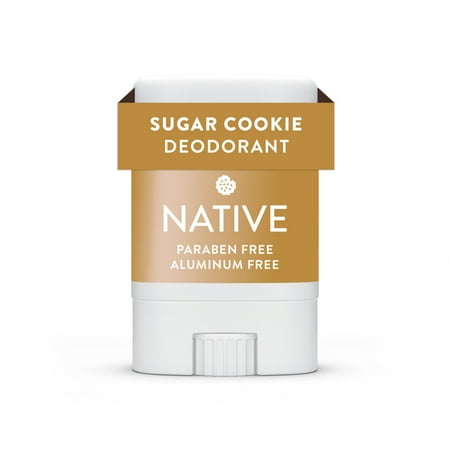


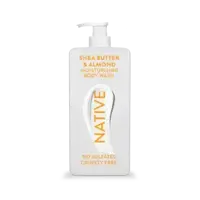

Native Limited Edition Sugar Cookie Mini Deodorant 0.35 oz
NativeAnalysis updated August 2026 · How Scout scores
At a glance
Summary
This deodorant is aluminum-free and contains beneficial ingredients like magnesium hydroxide, tapioca starch, and coconut oil, which contribute to natural odor control and skin nourishment. However, the presence of synthetic fragrance, which can include undisclosed chemicals and potential allergens, slightly lowers its rating. The product is processed, which also impacts its overall score.
Key ingredients 10
Magnesium HydroxideVery Good
Magnesium Hydroxide is a naturally occurring mineral used as a gentle odor neutralizer. It raises the pH of the skin, making it less hospitable to odor-causing bacteria. It is a preferred alternative to aluminum compounds.
Risks
There are minimal risks associated with magnesium hydroxide, as it is non-irritating and safe for most skin types.
Benefits
It effectively neutralizes odor without blocking pores, making it a safe and effective deodorant ingredient.
Coconut OilGood
Coconut Oil is a natural oil extracted from the meat of coconuts. It is known for its moisturizing and antimicrobial properties. It is widely used in personal care products for its skin-nourishing benefits.
Risks
Some individuals may experience allergic reactions or breakouts when using coconut oil on the skin.
Benefits
It provides deep hydration and helps to maintain the skin's natural barrier, improving overall skin health.
Shea ButterGood
Shea Butter is a fat extracted from the nuts of the shea tree. It is renowned for its moisturizing and anti-inflammatory properties. It is commonly used in skincare products to nourish and protect the skin.
Risks
There are minimal risks, though some individuals may experience allergic reactions.
Benefits
It deeply moisturizes and soothes the skin, helping to improve elasticity and reduce inflammation.
Lactobacillus AcidophilusGood
Lactobacillus Acidophilus is a probiotic used in skincare for its potential to balance the skin's microbiome. It can help to reduce odor by inhibiting the growth of harmful bacteria. It is considered a beneficial addition to deodorant formulations.
Risks
There are minimal risks associated with probiotics in skincare, though some individuals may experience mild irritation.
Benefits
It supports a healthy skin microbiome, potentially reducing odor and improving skin health.
Caprylic/Capric TriglycerideNeutral
Caprylic/Capric Triglyceride is a mixed triester derived from coconut oil and glycerin. It is commonly used as an emollient and skin-conditioning agent. It is generally considered safe and non-irritating.
Risks
There are minimal risks associated with this ingredient, primarily limited to rare cases of skin irritation.
Benefits
It helps to moisturize and soften the skin, enhancing the overall texture and feel.
Tapioca StarchNeutral
Standard formulation ingredient — neither beneficial nor harmful at typical use.
Risks
There are no significant risks associated with tapioca starch when used in personal care products.
Benefits
It effectively absorbs moisture, reducing wetness and improving the feel of the product on the skin.
OzokeriteNeutral
Ozokerite is a naturally occurring mineral wax used to thicken and stabilize formulations. It provides structure to the product. It is generally considered safe for use in cosmetics.
Risks
There are minimal risks, primarily related to potential skin irritation in sensitive individuals.
Benefits
It helps to stabilize the formulation, ensuring consistent texture and application.
CyclodextrinNeutral
Cyclodextrin is a cyclic oligosaccharide used to encapsulate and release fragrance molecules. It helps to control the release of scent over time. It is considered safe for use in cosmetics.
Risks
There are minimal risks associated with cyclodextrin, primarily related to potential skin irritation in sensitive individuals.
Benefits
It enhances the longevity of fragrance in the product, providing a lasting scent experience.
DextroseBad
Refined added sugar.
Risks
There are minimal risks associated with dextrose, primarily related to potential skin irritation in sensitive individuals.
Benefits
It helps to maintain skin hydration, improving the overall feel and appearance of the skin.
FragranceVery Bad
Fragrance in cosmetics can be a complex mixture of chemicals, some of which may cause skin irritation or allergic reactions. It is often criticized for its lack of transparency regarding specific components. Synthetic fragrances can contain phthalates, which are linked to health concerns.
Risks
Potential risks include skin irritation, allergic reactions, and exposure to endocrine-disrupting chemicals.
Benefits
Fragrance enhances the sensory experience of the product, providing a pleasant scent.
Get the full breakdown in the Scout appTake Scout shopping
Scan any product to see lab results, healthy alternatives, and your personalized analysis.
Download on theApp Store GET IT ONGoogle Play