
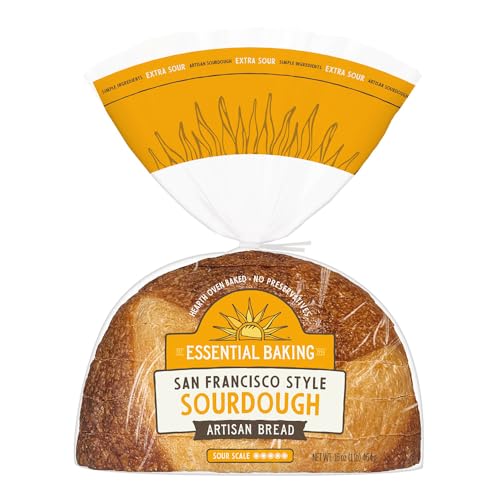


Essential Baking Cracked Wheat Sourdough Artisan Bread
Analysis updated August 2026 · How Scout scores
At a glance
Summary
This bread contains beneficial ingredients like fermented wheat flour and cracked wheat, which enhance its nutritional profile and digestibility. However, the presence of sunflower oil, a seed oil high in omega-6 fatty acids, and the vague 'natural flavor' contribute to its ultra-processed nature. Despite some positive elements, the processing level and inclusion of less desirable ingredients limit its overall healthiness.
Key ingredients 13
Fermented wheat flourGood
Fermented wheat flour is used to enhance flavor and improve the digestibility of the bread. The fermentation process can increase the availability of nutrients and reduce antinutrients. It also contributes to the sourdough flavor profile.
Benefits
Fermentation can improve gut health by promoting beneficial bacteria and enhancing nutrient absorption.
Cracked wheatGood
Cracked wheat is a whole grain that provides fiber, vitamins, and minerals. It contributes to the nutritional profile of the bread by adding texture and nutrients. Whole grains are associated with various health benefits, including improved digestion.
Benefits
Rich in dietary fiber, which supports digestive health and may help in maintaining a healthy weight.
Sea saltGood
Sea salt is a natural source of sodium and trace minerals, used to enhance flavor. It is less processed than table salt and retains some beneficial minerals. It is a common seasoning in bread products.
Risks
Excessive sodium intake can lead to high blood pressure and other health issues.
Benefits
Contains trace minerals that are beneficial for health and enhances the flavor of the bread.
WaterNeutral
Water is a basic ingredient used to hydrate the flour and activate yeast in bread making. It is essential for the dough formation and fermentation process. It does not provide any nutritional value but is crucial for the texture of the bread.
See more about Water →Dehulled hemp seedNeutral
Hemp seeds are a source of protein and healthy fats, including omega-3 and omega-6 fatty acids. Dehulling removes the outer shell, making them easier to digest. They add nutritional value but are present in small amounts in this product.
Benefits
Provides essential fatty acids and protein, contributing to overall nutritional value.
Barley maltNeutral
Barley malt is used as a natural sweetener and flavor enhancer in bread. It is made from sprouted barley grains and adds a mild sweetness and color. It is minimally processed compared to refined sugars.
Risks
May contribute to sugar intake if consumed in large quantities.
Benefits
Provides a natural source of sweetness and can enhance the flavor profile of the bread.
Cultured wheat flour with vinegarNeutral
Cultured wheat flour with vinegar is used as a natural preservative to extend shelf life. The fermentation process can improve the flavor and texture of the bread. It is a cleaner alternative to chemical preservatives.
Benefits
Acts as a natural preservative and can enhance the flavor profile of the bread.
Vital wheat glutenNeutral
Vital wheat gluten is added to improve the elasticity and texture of the bread. It is a concentrated form of gluten protein, which helps the dough rise and maintain its shape. It is commonly used in bread making to enhance texture.
Risks
May cause adverse reactions in individuals with gluten intolerance or celiac disease.
Benefits
Improves the texture and structure of the bread, making it more appealing.
YeastNeutral
Yeast is a microorganism used to ferment sugars, producing carbon dioxide that helps the bread rise. It is essential for the leavening process in bread making. It contributes to the flavor and texture of the bread.
Benefits
Essential for leavening, contributing to the bread's texture and flavor.
EnzymesNeutral
Enzymes are used to improve the dough's properties and extend the shelf life of the bread. They are naturally occurring proteins that catalyze biochemical reactions. They are generally considered safe and are used in small amounts.
Benefits
Enhances dough properties and can improve the texture and shelf life of the bread.
Unbleached enriched wheat flourBad
Processed additive flagged under Scout's ingredient doctrine.
Risks
Refined flour can contribute to blood sugar spikes and lacks the fiber of whole grains.
Benefits
Enrichment adds back some nutrients like iron and B vitamins, which are beneficial for health.
Natural flavorBad
Natural flavor is a vague term that can encompass a wide range of substances used to enhance flavor. It lacks transparency and may include additives that are not disclosed. It is often criticized for being overly processed and not truly 'natural'.
Risks
Lack of transparency can be concerning for those with allergies or sensitivities.
Sunflower oilVery Bad
Sunflower oil is a seed oil high in omega-6 fatty acids, which can promote inflammation when consumed in excess. It is often processed using high heat and chemicals, which can degrade its nutritional quality. It is not recommended for regular consumption due to its inflammatory potential.
Risks
High omega-6 content may promote inflammation when consumed in excess.
Processing
Ultra-Processed Foods
Get the full breakdown in the Scout appTake Scout shopping
Scan any product to see lab results, healthy alternatives, and your personalized analysis.
Download on theApp Store GET IT ONGoogle PlayAmazon pricing & content
CERTAIN CONTENT THAT APPEARS ON THIS SITE COMES FROM AMAZON. THIS CONTENT IS PROVIDED “AS IS” AND IS SUBJECT TO CHANGE OR REMOVAL AT ANY TIME.