
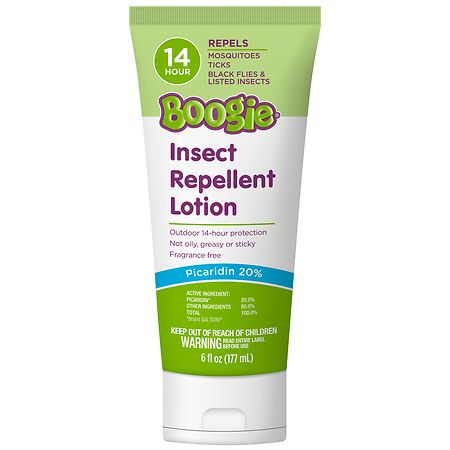
Boogie DEET Alternative Insect Repellent Lotion Fragrance-Free - 6 fl oz
Analysis updated August 2026 · How Scout scores
At a glance
Summary
This insect repellent lotion features a blend of natural ingredients like citronella, lemongrass, aloe, chamomile, and eucalyptus, which are known for their insect-repelling and soothing properties. The inclusion of dimethicone, a silicone-based compound, is a minor concern due to its synthetic nature, but it is generally considered safe for topical use. The product avoids harsh chemicals and synthetic fragrances, making it a relatively clean choice for those seeking a natural alternative to DEET-based repellents.
Key ingredients 9
AloeVery Good
Aloe vera is a well-known botanical used for its soothing and moisturizing properties. It is widely used in skincare for its ability to calm irritated skin. It is considered very safe for topical use.
Risks
Rarely, it may cause allergic reactions in sensitive individuals.
Benefits
Provides excellent hydration and soothing effects, making it beneficial for skin health.
ChamomileVery Good
Chamomile is a botanical extract known for its anti-inflammatory and soothing properties. It is commonly used in skincare to calm and soothe irritated skin. It is considered very safe for topical use.
Risks
Rare allergic reactions may occur in individuals sensitive to the Asteraceae family.
Benefits
Provides calming and anti-inflammatory benefits, making it ideal for sensitive skin.
CitronellaGood
Citronella is a natural oil derived from lemongrass, commonly used for its insect-repelling properties. It is considered safe for topical use. It is a popular choice for natural insect repellents.
Risks
May cause skin irritation in some individuals.
Benefits
Provides a natural alternative to synthetic insect repellents with a pleasant scent.
LemongrassGood
Lemongrass is a natural plant extract known for its antimicrobial and insect-repelling properties. It is often used in natural skincare products. It is generally safe for topical use.
Risks
Potential for skin irritation or allergic reactions in sensitive individuals.
Benefits
Offers natural antimicrobial benefits and a refreshing scent.
EucalyptusGood
Eucalyptus oil is known for its antimicrobial and insect-repelling properties. It is often used in natural insect repellents and skincare products. It is generally safe for topical use in diluted forms.
Risks
Can cause skin irritation or allergic reactions in sensitive individuals.
Benefits
Offers natural antimicrobial benefits and a refreshing scent.
PicaridinNeutral
Picaridin is a synthetic compound used as an insect repellent. It is considered effective against a wide range of insects. It is generally well-tolerated by the skin.
Risks
There is a potential for skin irritation in sensitive individuals.
Benefits
It provides effective protection against insect bites without the strong odor associated with DEET.
Citric AcidNeutral
Citric acid is used in cosmetics as a pH adjuster and preservative. It is generally recognized as safe for use in skincare products. It helps maintain the stability and effectiveness of the product.
Risks
Can cause skin irritation in high concentrations.
Benefits
Helps to maintain the product's pH balance and extend shelf life.
DimethiconeBad
Occlusive silicone film-former — flagged under clean-beauty doctrine.
Risks
May cause breakouts in acne-prone skin due to its occlusive nature.
Benefits
Enhances the smoothness and application of the product, providing a silky feel.
Sodium BenzoateBad
Synthetic preservative that can form benzene in the presence of vitamin C.
Risks
May cause skin irritation in sensitive individuals.
Benefits
Effectively prevents microbial contamination, ensuring product safety.
Get the full breakdown in the Scout appTake Scout shopping
Scan any product to see lab results, healthy alternatives, and your personalized analysis.
Download on theApp Store GET IT ONGoogle Play