
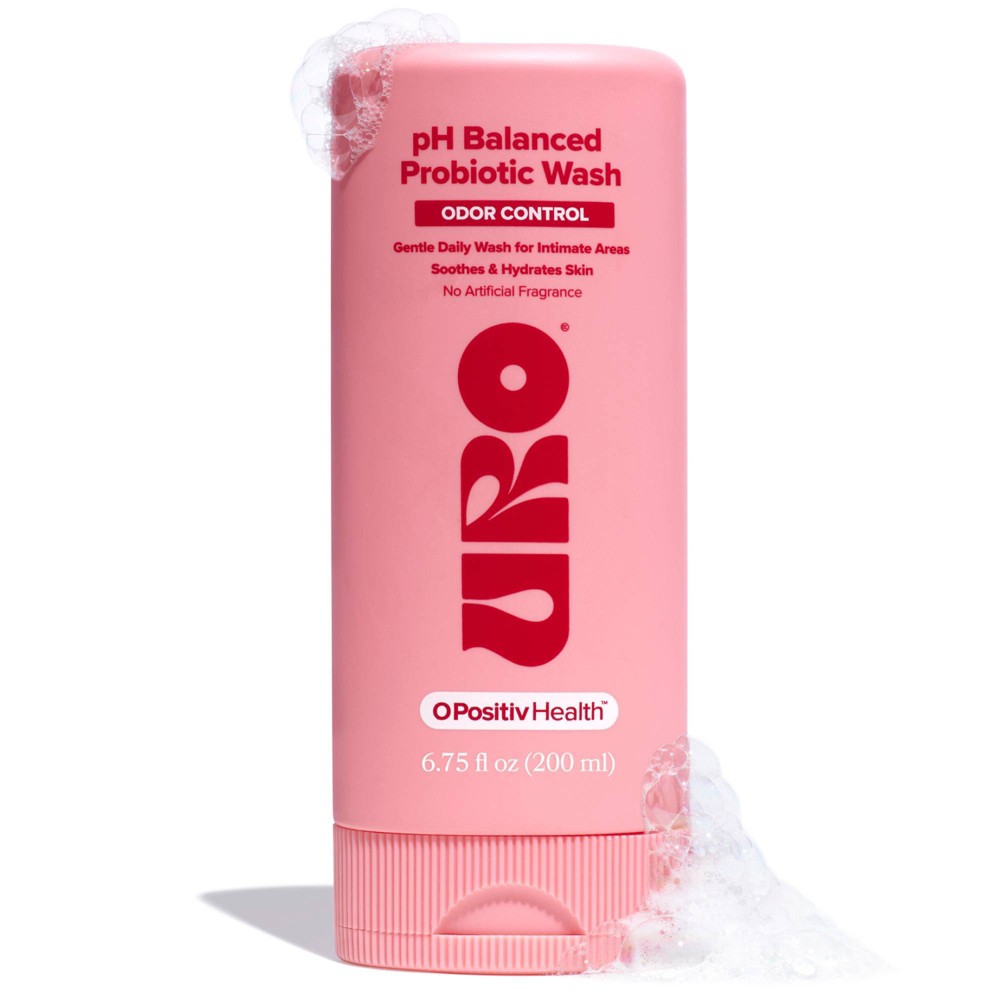
O Positiv URO pH Balanced Probiotic Wash for Intimate Odor Control, pH Balance, Dryness & Irritation Support - 6.75 fl oz
Analysis updated July 2026 · How Scout scores
At a glance
Summary
This product contains a variety of beneficial ingredients such as glycerin, aloe vera, and sodium hyaluronate, which are known for their hydrating and soothing properties. The inclusion of natural oils and extracts like lavender oil and cranberry seed oil further enhances its skin-friendly profile. However, the presence of synthetic preservatives like sodium benzoate and potassium sorbate, although generally considered safe, slightly reduces the overall score due to their synthetic nature.
Key ingredients 24
Aloe Barbadensis Leaf JuiceVery Good
Aloe Vera is known for its soothing and hydrating properties. It is widely used in skincare for its ability to calm irritated skin and provide moisture.
Risks
There are no significant risks associated with aloe vera in cosmetic products.
Benefits
It helps to soothe and hydrate the skin, reducing redness and irritation.
Calendula Officinalis Flower ExtractVery Good
Calendula Extract is known for its soothing and anti-inflammatory properties. It is used in skincare to calm irritated skin and promote healing.
Risks
There are no significant risks associated with calendula extract in cosmetic products.
Benefits
It helps to soothe and heal the skin, reducing redness and irritation.
Avena Sativa (Oat) Bran ExtractVery Good
Oat Extract is known for its soothing and anti-inflammatory properties. It is used in skincare to calm irritated skin and provide relief from dryness.
Risks
There are no significant risks associated with oat extract in cosmetic products.
Benefits
It helps to soothe and moisturize the skin, reducing redness and irritation.
TocopherolVery Good
Tocopherol, or Vitamin E, is a powerful antioxidant that protects the skin from free radical damage. It is widely used in skincare for its moisturizing and healing properties.
Risks
There are no significant risks associated with tocopherol in cosmetic products.
Benefits
It helps to nourish and protect the skin, improving its overall health and appearance.
Sodium Cocoyl IsethionateGood
Sodium Cocoyl Isethionate is a mild surfactant derived from coconut oil. It is known for its gentle cleansing properties and is less irritating than traditional sulfates. It is suitable for sensitive skin.
Risks
There are minimal risks, though it can cause mild irritation in very sensitive individuals.
Benefits
It provides a rich lather and effectively cleanses the skin without stripping natural oils.
GlycerinGood
Glycerin is a humectant that attracts moisture to the skin. It is widely used in skincare for its hydrating properties and ability to improve skin barrier function.
Risks
There are no significant risks associated with glycerin in cosmetic products.
Benefits
It helps to keep the skin moisturized and soft, reducing dryness and irritation.
Lactobacillus FermentGood
Lactobacillus Ferment is a probiotic ingredient that helps balance the skin's microbiome. It is known for its soothing and anti-inflammatory properties.
Risks
There are minimal risks, though it may not be suitable for individuals with specific allergies.
Benefits
It supports skin health by promoting a balanced microbiome and reducing irritation.
Vitis Vinifera (Grape) Seed ExtractGood
Grape Seed Extract is rich in antioxidants and has anti-inflammatory properties. It is used in skincare for its ability to protect against environmental damage and support skin health.
Risks
There are minimal risks, though it may cause irritation in sensitive individuals.
Benefits
It helps to protect the skin from oxidative stress and improve overall skin appearance.
Vaccinium Macrocarpon (Cranberry) Seed OilGood
Cranberry Seed Oil is rich in antioxidants and essential fatty acids. It is used in skincare for its nourishing and protective properties.
Risks
There are minimal risks, though it may cause irritation in sensitive individuals.
Benefits
It helps to nourish the skin and protect against environmental damage.
Sodium HyaluronateGood
Sodium Hyaluronate is a form of hyaluronic acid that is highly effective in hydrating the skin. It is known for its ability to retain moisture and improve skin elasticity.
Risks
There are no significant risks associated with sodium hyaluronate in cosmetic products.
Benefits
It helps to deeply hydrate the skin and improve its texture and appearance.
Hibiscus Rosa-Sinensis Flower ExtractGood
Hibiscus Extract is rich in antioxidants and has exfoliating properties. It is used in skincare for its ability to improve skin texture and promote a radiant complexion.
Risks
There are minimal risks, though it may cause irritation in sensitive individuals.
Benefits
It helps to exfoliate the skin and improve its overall appearance.
Magnolia Officinalis Bark ExtractGood
Magnolia Bark Extract is known for its antioxidant and anti-inflammatory properties. It is used in skincare to protect against environmental damage and soothe the skin.
Risks
There are minimal risks, though it may cause irritation in sensitive individuals.
Benefits
It helps to protect the skin from oxidative stress and reduce inflammation.
Water (Aqua)Neutral
Water is a common solvent used in cosmetic formulations. It helps dissolve other ingredients and provides a base for the product. It is generally considered safe and non-irritating.
Risks
There are no significant risks associated with water in cosmetic products.
Benefits
Water helps to hydrate the skin and acts as a carrier for other beneficial ingredients.
Cocamidopropyl BetaineNeutral
Cocamidopropyl Betaine is a surfactant and foam booster derived from coconut oil. It is commonly used to enhance the texture and feel of cleansing products. It is generally considered safe for most skin types.
Risks
In rare cases, it may cause skin irritation or allergic reactions.
Benefits
It helps to create a creamy lather and improves the cleansing efficacy of the product.
Sodium ChlorideNeutral
Sodium Chloride, or table salt, is used to thicken the consistency of cosmetic products. It is a common and safe ingredient in personal care formulations.
Risks
Excessive use can lead to dryness or irritation in some individuals.
Benefits
It helps to stabilize the formulation and improve the texture of the product.
HydroxyacetophenoneNeutral
Hydroxyacetophenone is an antioxidant and preservative booster. It helps to stabilize formulations and protect against oxidative damage.
Risks
There are no significant risks associated with this ingredient in cosmetic formulations.
Benefits
It enhances the stability and shelf life of the product while providing antioxidant benefits.
Lactic AcidNeutral
Standard formulation ingredient — neither beneficial nor harmful at typical use.
Risks
Overuse can lead to irritation or sensitivity, especially in high concentrations.
Benefits
It helps to smooth the skin and reduce the appearance of fine lines and uneven texture.
Lavandula Angustifolia (Lavender) OilNeutral
Lavender Oil is used for its calming scent and potential soothing properties. It is a common ingredient in personal care products for its aromatic benefits.
Risks
It can cause irritation or allergic reactions in some individuals, especially with prolonged use.
Benefits
It provides a pleasant fragrance and may have calming effects on the skin.
Tetrasodium Glutamate DiacetateNeutral
Tetrasodium Glutamate Diacetate is a chelating agent that helps to stabilize cosmetic formulations. It is considered safe for use in personal care products.
Risks
There are no significant risks associated with this ingredient in cosmetic formulations.
Benefits
It enhances the stability and efficacy of the product by binding metal ions.
Eucalyptus Globulus Leaf OilNeutral
Eucalyptus Oil is used for its refreshing scent and potential antimicrobial properties. It is a common ingredient in personal care products for its aromatic benefits.
Risks
It can cause irritation or allergic reactions in some individuals, especially with prolonged use.
Benefits
It provides a refreshing fragrance and may have antimicrobial effects.
MaltodextrinNeutral
Maltodextrin is used as a binding and stabilizing agent in cosmetic formulations. It is considered safe for use in personal care products.
Risks
There are no significant risks associated with maltodextrin in cosmetic products.
Benefits
It helps to stabilize the formulation and improve the texture of the product.
Sodium BenzoateBad
Synthetic preservative that can form benzene in the presence of vitamin C.
Risks
In rare cases, it may cause mild irritation or allergic reactions.
Benefits
It helps to maintain the product's integrity and extend its shelf life.
Potassium SorbateBad
Synthetic preservative — flagged in daily-use products.
Risks
In rare cases, it may cause mild irritation or allergic reactions.
Benefits
It helps to preserve the product and extend its shelf life.
LecithinBad
Processed additive flagged under Scout's ingredient doctrine.
Risks
There are minimal risks, though it may cause irritation in sensitive individuals.
Benefits
It helps to improve the texture and stability of the product while providing moisture to the skin.
Get the full breakdown in the Scout appTake Scout shopping
Scan any product to see lab results, healthy alternatives, and your personalized analysis.
Download on theApp Store GET IT ONGoogle PlayAmazon pricing & content
Amazon price as of . Product prices and availability are accurate as of the date/time indicated and are subject to change. Any price and availability information displayed on Amazon.com at the time of purchase will apply to the purchase of this product.
CERTAIN CONTENT THAT APPEARS ON THIS SITE COMES FROM AMAZON. THIS CONTENT IS PROVIDED “AS IS” AND IS SUBJECT TO CHANGE OR REMOVAL AT ANY TIME.