
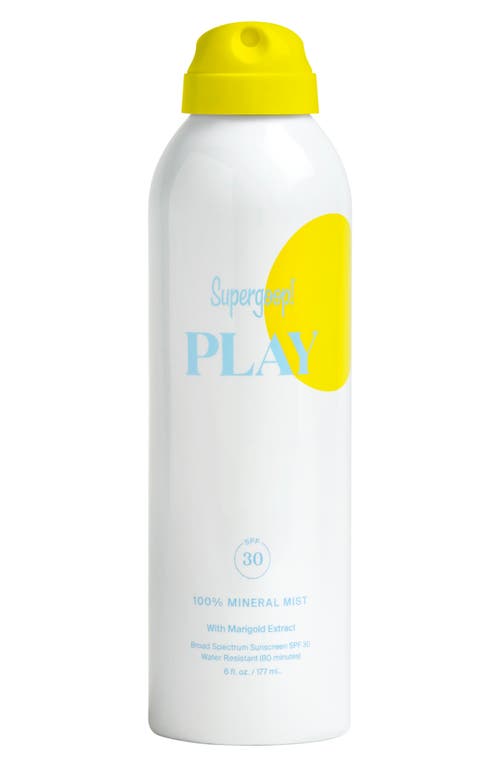
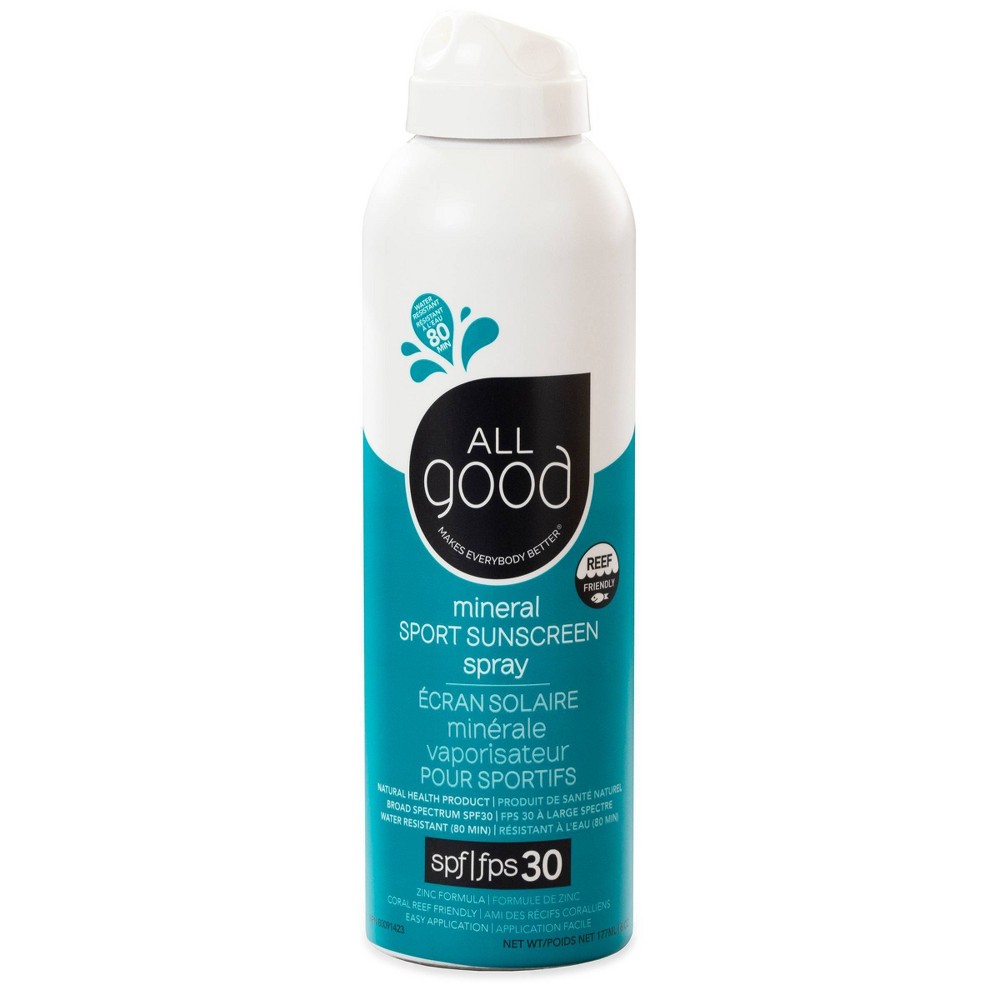
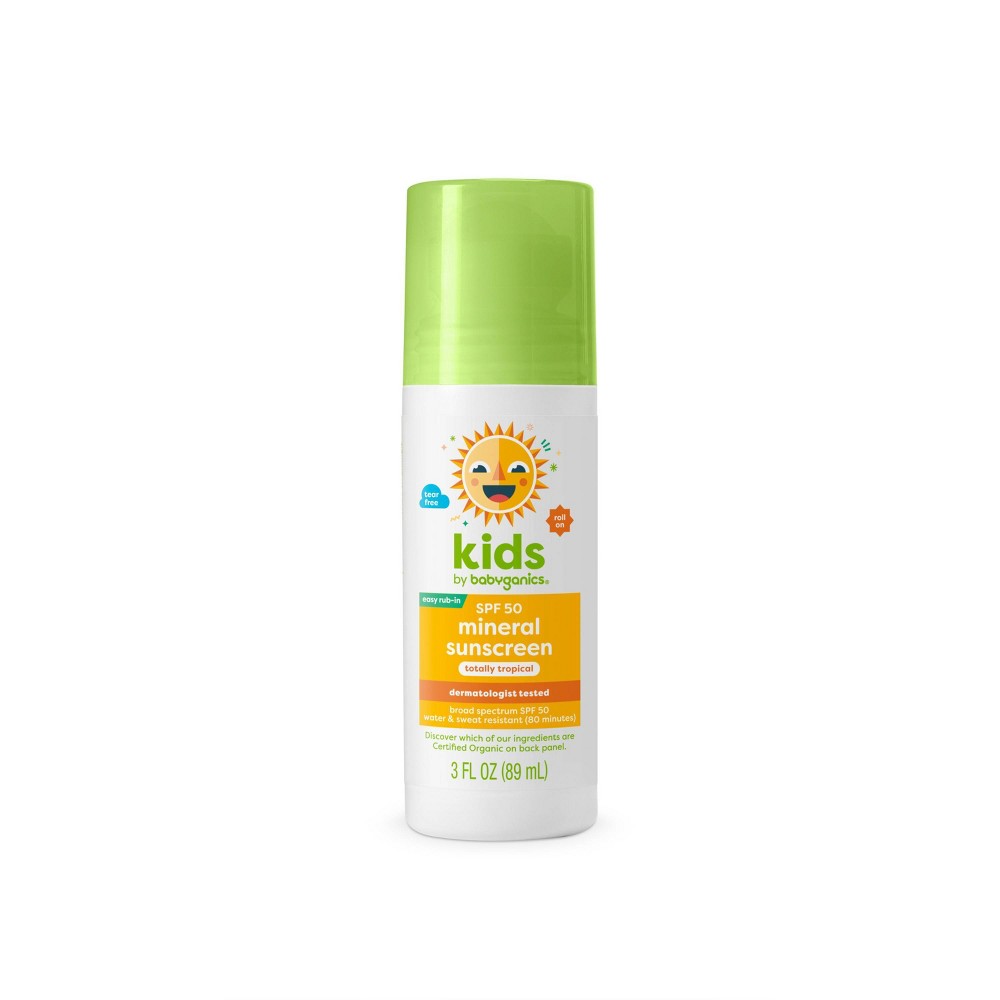
Mineral Sunscreen SPF 30 / Zinc Oxide / SPRAY

78 Good
$19.98 · 6 oz
View on Amazon
Verified Amazon match

Summary

This mineral sunscreen features zinc oxide as the active ingredient, which is a safe and effective physical UV filter. The formulation includes beneficial natural ingredients like aloe vera and calendula extract, known for their soothing properties. The absence of synthetic fragrances and harmful chemicals typically found in chemical sunscreens contributes to its favorable rating, although the spray format may raise minor concerns about inhalation risks.

At a glance

Beneficial ingredients 0
Harmful ingredients 0
Category Sunscreen

Key ingredients 9

Aloe Barbadensis Leaf Juice

Aloe Barbadensis Leaf Juice is a natural extract known for its soothing and moisturizing properties. It is commonly used in skincare products to help calm irritated skin. Its inclusion in sunscreen can enhance skin hydration.

Risks

There are minimal risks associated with Aloe Vera, though some individuals may experience allergic reactions.

Benefits

Aloe Vera is beneficial for its anti-inflammatory and skin-soothing effects, making it ideal for sensitive skin.

See more about Aloe Barbadensis Leaf Juice →
Bentonite

Bentonite is a type of clay that is often used in cosmetics for its ability to absorb excess oil and impurities from the skin. It can help improve the texture and clarity of the skin. In sunscreens, it may also aid in providing a matte finish.

Risks

Bentonite can be drying for some skin types, especially if used in high concentrations.

Benefits

It is beneficial for oily and acne-prone skin due to its oil-absorbing properties.

See more about Bentonite →
Bisabolol

Bisabolol is a natural compound derived from chamomile that is known for its anti-inflammatory and soothing properties. It is often used in skincare to reduce redness and irritation. Its presence in sunscreen can help calm the skin after sun exposure.

Risks

Bisabolol is generally considered safe, but it may cause allergic reactions in sensitive individuals.

Benefits

It provides anti-inflammatory benefits and enhances the skin's healing process.

See more about Bisabolol →
Butyloctyl Salicylate

Butyloctyl Salicylate is an ester used in sunscreens to enhance the solubility and efficacy of UV filters. It helps improve the spreadability and feel of the product on the skin. It is not a UV filter itself but supports the performance of active ingredients.

Risks

There are minimal risks associated with this ingredient, though it may cause irritation in sensitive skin.

Benefits

It enhances the effectiveness of sunscreen formulations by improving the stability and distribution of UV filters.

See more about Butyloctyl Salicylate →
Calendula Officinalis Flower Extract

Calendula Officinalis Flower Extract is a botanical ingredient known for its anti-inflammatory and healing properties. It is often used in skincare to soothe and repair damaged skin. Its inclusion in sunscreen can provide additional skin-calming benefits.

Risks

Calendula is generally safe, but allergic reactions can occur in some individuals.

Benefits

It is beneficial for its soothing and healing properties, making it suitable for sensitive or irritated skin.

See more about Calendula Officinalis Flower Extract →
Caprylhydroxamic Acid

Caprylhydroxamic Acid is a preservative used in cosmetics to prevent microbial growth. It is often used as an alternative to parabens. It helps maintain the product's integrity and safety over time.

Risks

There are minimal risks, though it may cause irritation in sensitive skin.

Benefits

It is beneficial for its preservative properties, ensuring product safety without the use of parabens.

See more about Caprylhydroxamic Acid →
Caprylyl Glycol

Caprylyl Glycol is a skin-conditioning agent that also acts as a preservative booster. It helps improve the moisture content of the skin and enhances the efficacy of other preservatives. It is commonly used in skincare for its hydrating properties.

Risks

Caprylyl Glycol is generally safe, but it may cause irritation in sensitive individuals.

Benefits

It provides moisturizing benefits and enhances the preservation of the product.

See more about Caprylyl Glycol →
Carthamus

Carthamus, commonly known as safflower, is used in cosmetics for its emollient properties. It helps to moisturize and soften the skin. Its inclusion in sunscreen can enhance the skin's hydration and texture.

Risks

There are minimal risks, though allergic reactions are possible.

Benefits

It is beneficial for its moisturizing properties, improving skin softness and hydration.

Water

Water is a universal solvent used in cosmetics to dissolve other ingredients and provide a base for formulations. It helps in the even distribution of active ingredients on the skin. It is essential for the formulation of most skincare products.

Risks

There are no significant risks associated with water in cosmetics.

Benefits

It acts as a solvent and hydrates the skin, making it a fundamental component of skincare products.

See more about Water →

Processing

Group 2 · Culinary ingredients

Processed Culinary Ingredients

Get the full breakdown in the Scout app

Scan any product to see lab results, healthy alternatives, and your personalized analysis.

Download on theApp Store