
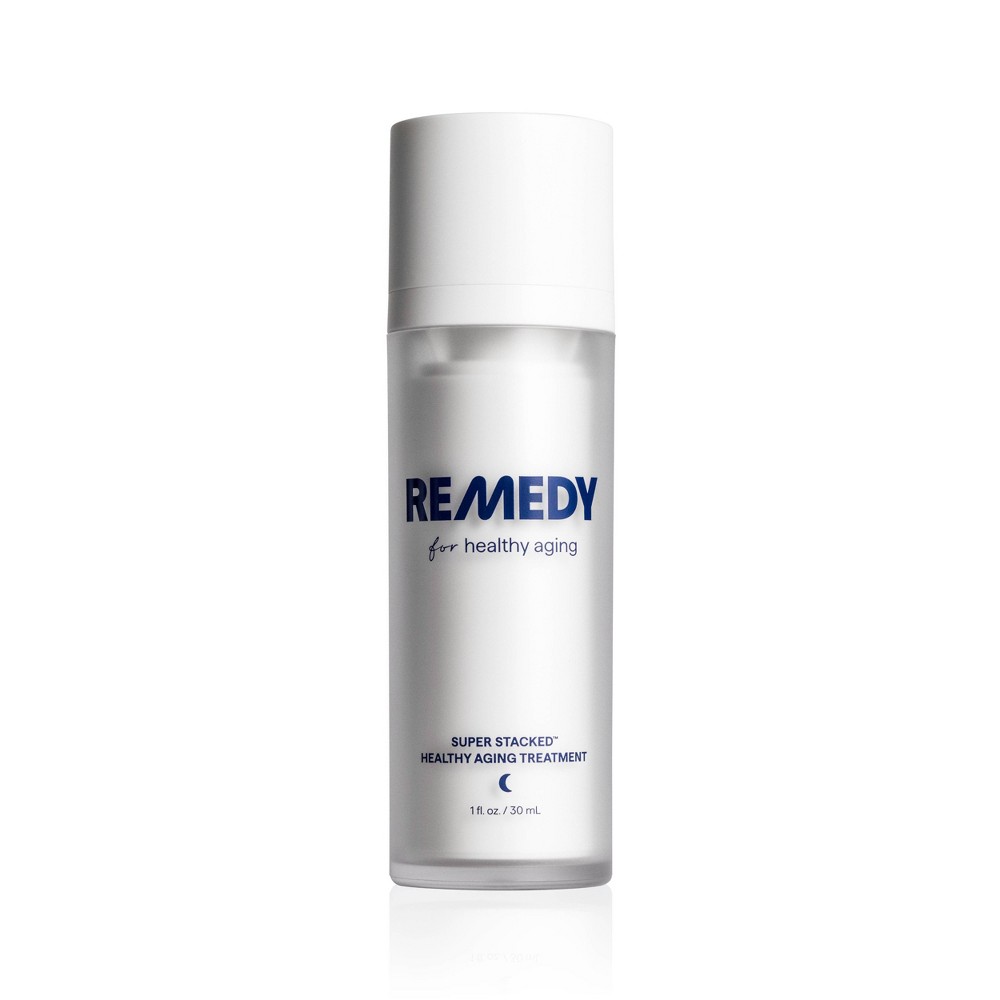
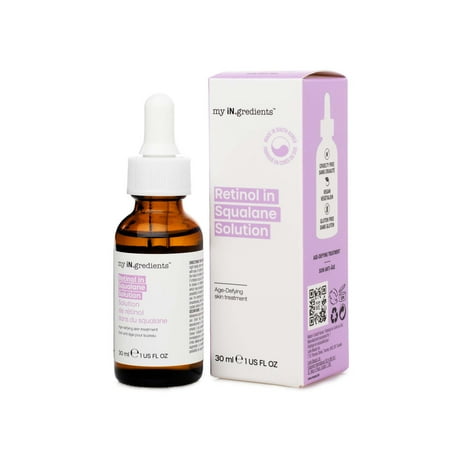

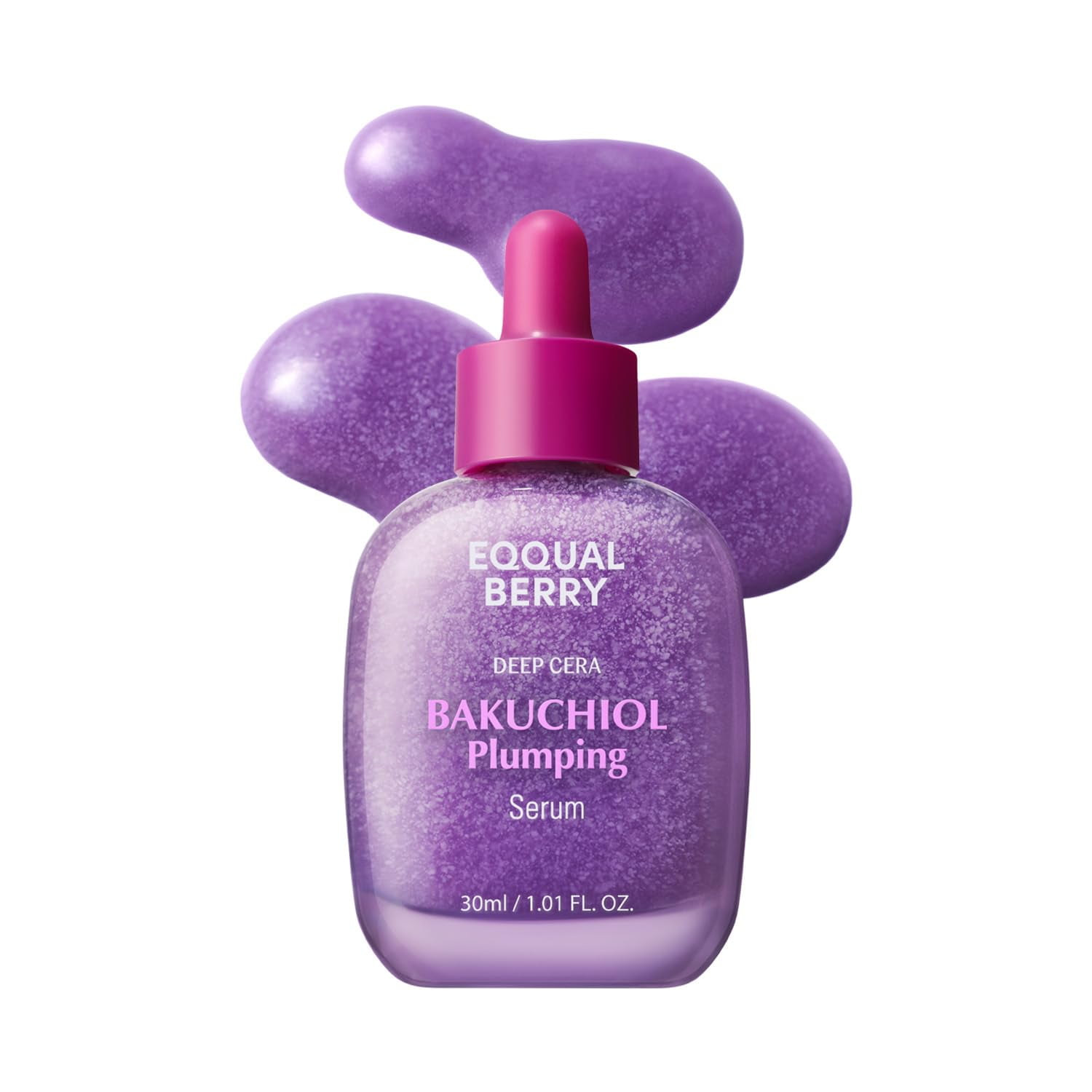
Shani Darden Retinol Reform 0.16fl.oz./5ml New In Box
Summary
This serum contains beneficial skin actives like retinol, which is known for its anti-aging properties. However, the presence of synthetic preservatives and emulsifiers slightly lowers its score, as these can pose minor risks to skin health. The product is processed, but it maintains a relatively clean label with no major harmful ingredients.
At a glance
Key ingredients 16
Aqua
Aqua, or water, is a common solvent used in cosmetics to dissolve other ingredients. It helps to create a smooth texture and is essential for hydration. It is generally considered safe and non-irritating.
Risks
There are no significant risks associated with water in cosmetics.
Benefits
Water is crucial for hydration and helps in the application of the product.
Caprylic/Capric Triglyceride
Caprylic/Capric Triglyceride is derived from coconut oil and glycerin. It is used to improve the spreadability of products and provides a lightweight, non-greasy barrier. It is considered safe and beneficial for skin conditioning.
Risks
There are minimal risks, though it may cause mild irritation in very sensitive skin.
Benefits
It helps to moisturize and condition the skin without leaving a greasy residue.
Glycerin
Glycerin is a humectant that attracts moisture to the skin, helping to keep it hydrated. It is widely used in skincare for its moisturizing properties. It is considered safe and effective for most skin types.
Risks
Rarely, glycerin can cause irritation if used in high concentrations.
Benefits
Glycerin helps to maintain skin hydration and improve skin barrier function.
Pyrus Malus Fruit Extract
Pyrus Malus Fruit Extract, or apple extract, is rich in antioxidants and vitamins. It is used in cosmetics for its skin-soothing and anti-aging properties. It is generally safe and beneficial for skin health.
Risks
There is a low risk of allergic reactions in individuals sensitive to apples.
Benefits
It provides antioxidant protection and helps to soothe and rejuvenate the skin.
Lactic Acid
Lactic Acid is an alpha hydroxy acid (AHA) used for its exfoliating properties. It helps to remove dead skin cells and improve skin texture. It is effective in promoting skin renewal and is generally safe when used in appropriate concentrations.
Risks
Overuse can lead to skin irritation and increased sensitivity to sunlight.
Benefits
Lactic Acid helps to exfoliate the skin, improving texture and promoting a brighter complexion.
Niacinamide
Niacinamide is a form of Vitamin B3 that is used for its anti-inflammatory and skin-brightening properties. It helps to improve skin elasticity and reduce redness. It is considered very beneficial for a wide range of skin concerns.
Risks
There are minimal risks, though it may cause mild irritation in very sensitive skin.
Benefits
Niacinamide helps to improve skin tone, reduce inflammation, and enhance the skin barrier.
Retinol
Retinol is a form of Vitamin A that is widely used for its anti-aging benefits. It promotes cell turnover and collagen production, helping to reduce the appearance of fine lines and wrinkles. It is highly effective but should be used with caution due to potential irritation.
Risks
Retinol can cause irritation, redness, and peeling, especially when first introduced to a skincare routine.
Benefits
Retinol is effective in reducing signs of aging and improving skin texture.
Tripeptide
Tripeptides are small protein fragments that help to stimulate collagen production. They are used in skincare for their anti-aging and skin-firming benefits. They are generally considered safe and beneficial for skin health.
Risks
There are minimal risks associated with tripeptides, though allergic reactions are possible.
Benefits
Tripeptides help to improve skin firmness and reduce the appearance of wrinkles.
Copernicia Cerifera Wax
Copernicia Cerifera Wax, also known as carnauba wax, is used as a thickening agent in cosmetics. It helps to stabilize formulations and provide a smooth application. It is considered safe and non-irritating.
Risks
There are minimal risks, though it may cause mild irritation in very sensitive skin.
Benefits
It provides texture and stability to cosmetic formulations.
Glucosamine Hcl
Glucosamine Hcl is used in skincare for its potential anti-aging benefits. It may help to improve skin hydration and elasticity. It is generally considered safe and beneficial for skin health.
Risks
There are minimal risks, though allergic reactions are possible.
Benefits
It may help to improve skin hydration and reduce signs of aging.
Plankton Extract
Plankton Extract is used in cosmetics for its antioxidant and skin-soothing properties. It helps to protect the skin from environmental stressors. It is generally considered safe and beneficial for skin health.
Risks
There are minimal risks, though allergic reactions are possible.
Benefits
It provides antioxidant protection and helps to soothe the skin.
Vitamin E
Vitamin E is a powerful antioxidant that helps to protect the skin from free radical damage. It is used in skincare for its moisturizing and healing properties. It is considered safe and beneficial for most skin types.
Risks
There are minimal risks, though it may cause irritation in very sensitive skin.
Benefits
Vitamin E helps to moisturize the skin and protect it from environmental damage.
Cyamopsis Tetragonoloba Gum
Cyamopsis Tetragonoloba Gum, or guar gum, is used as a thickening agent in cosmetics. It helps to stabilize formulations and improve texture. It is considered safe and non-irritating.
Risks
There are minimal risks, though it may cause mild irritation in very sensitive skin.
Benefits
It provides texture and stability to cosmetic formulations.
Xanthan Gum
Xanthan Gum is a polysaccharide used as a thickening and stabilizing agent in cosmetics. It helps to improve the texture and consistency of products. It is considered safe and non-irritating.
Risks
There are minimal risks, though it may cause mild irritation in very sensitive skin.
Benefits
It provides texture and stability to cosmetic formulations.
Hydrolyzed Algin
Hydrolyzed Algin is derived from algae and used in cosmetics for its moisturizing properties. It helps to improve skin hydration and texture. It is considered safe and beneficial for skin health.
Risks
There are minimal risks, though allergic reactions are possible.
Benefits
It helps to moisturize the skin and improve its texture.
Xylitylglucoside
Xylitylglucoside is used in skincare for its moisturizing properties. It helps to improve skin hydration and barrier function. It is considered safe and beneficial for skin health.
Risks
There are minimal risks, though allergic reactions are possible.
Benefits
It helps to improve skin hydration and maintain a healthy skin barrier.
Processing
Processed Foods
Get the full breakdown in the Scout app
Scan any product to see lab results, healthy alternatives, and your personalized analysis.
Download on theApp Store