


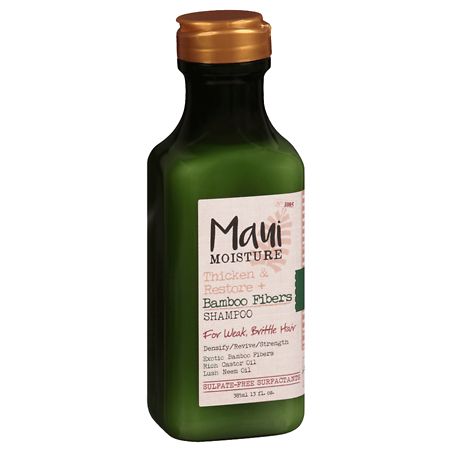
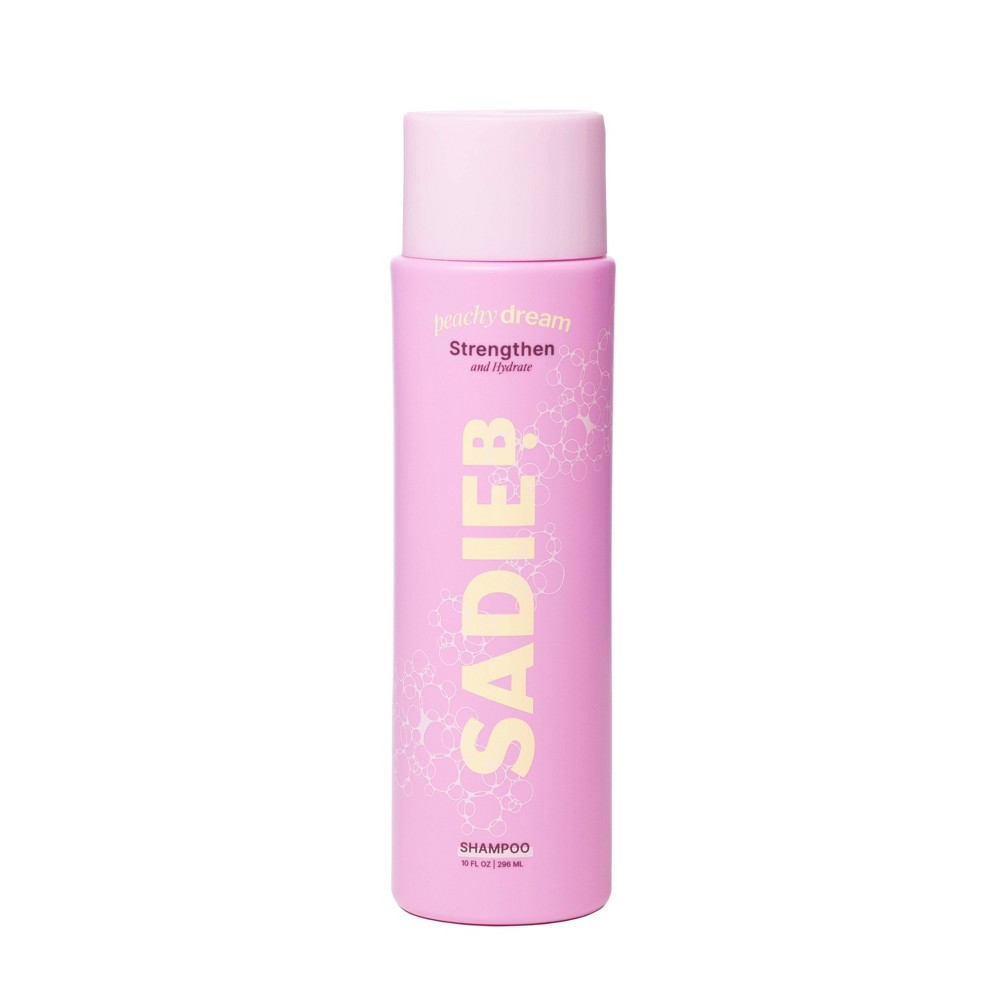
Thicker Fuller Hair Cell-U-Plex Thickening & Nourishing Daily Shampoo 12 fl oz
Summary
This shampoo contains beneficial ingredients like caffeine, panthenol, and aloe vera extract, which are known for their hair-strengthening and moisturizing properties. However, it also includes potentially harmful ingredients such as sodium laureth sulfate, which can strip natural oils, and DMDM hydantoin, a preservative that releases formaldehyde. The presence of synthetic fragrance and other chemical additives contributes to a moderate processing level, impacting the overall score.
At a glance
Key ingredients 24
WaterNeutral
Water is the primary solvent in this shampoo, providing a base for other ingredients. It is typically purified to remove impurities and ensure safety. No significant interactions or concerns are associated with water in this context.
See more about Water →Sodium Laureth SulfateBad
Sodium Laureth Sulfate is a surfactant used for its cleansing and foaming properties. It is derived from ethoxylated lauryl alcohol, which can be contaminated with 1,4-dioxane, a potential carcinogen. It may strip natural oils from the scalp, leading to dryness and irritation.
Risks
Potential contamination with 1,4-dioxane and can cause skin irritation.
Benefits
Effective at removing dirt and oil from hair.
Cocamidopropyl BetaineNeutral
Cocamidopropyl Betaine is a mild surfactant derived from coconut oil, used to reduce irritation from harsher surfactants. It is produced through a chemical reaction involving dimethylaminopropylamine. It can cause allergic reactions in some individuals.
Risks
May cause allergic reactions or skin irritation in sensitive individuals.
Benefits
Helps to create a rich lather and reduce irritation from other surfactants.
Disodium CocoamphodiacetateNeutral
Disodium Cocoamphodiacetate is a mild surfactant used to enhance the cleansing properties of shampoos. It is derived from coconut oil and is considered gentle on the skin. It is often used in formulations for sensitive skin.
Benefits
Provides gentle cleansing and is suitable for sensitive skin.
Sodium ChlorideNeutral
Sodium Chloride is used to adjust the viscosity of the shampoo. It is a natural mineral commonly known as table salt. In high concentrations, it can cause dryness or irritation.
Risks
May cause dryness or irritation if used in high concentrations.
Benefits
Helps to thicken the shampoo and improve texture.
Cocamide MEABad
Cocamide MEA is a thickening and foaming agent derived from coconut oil and ethanolamine. It can be contaminated with nitrosamines, which are potential carcinogens. It is used to enhance the texture and stability of the product.
Risks
Potential contamination with nitrosamines, which are carcinogenic.
Benefits
Improves the texture and foaming properties of the shampoo.
CaffeineGood
Caffeine is included for its potential to stimulate hair growth and improve scalp circulation. It is absorbed through the skin and may help to strengthen hair follicles. Its effectiveness in topical applications is still under research.
Benefits
May stimulate hair growth and improve scalp health.
PanthenolGood
Panthenol is a form of vitamin B5 used for its moisturizing and conditioning properties. It penetrates the hair shaft to improve moisture retention and elasticity. It is well-tolerated and beneficial for hair health.
Benefits
Improves hair moisture, elasticity, and overall health.
Hydrolyzed Wheat ProteinGood
Hydrolyzed Wheat Protein is used to strengthen and repair damaged hair. It is derived from wheat and processed to break down protein chains for better absorption. It can improve hair texture and reduce breakage.
Benefits
Strengthens hair and reduces breakage.
Hydrolyzed Wheat StarchNeutral
Hydrolyzed Wheat Starch is used as a conditioning agent to improve hair texture. It is derived from wheat and processed to enhance its absorption and effectiveness. It provides a smooth feel to the hair.
Benefits
Improves hair texture and provides a smooth feel.
Aloe Barbadensis Leaf ExtractVery Good
Aloe Barbadensis Leaf Extract is known for its soothing and moisturizing properties. It is extracted from the aloe vera plant and is rich in vitamins and antioxidants. It helps to soothe the scalp and promote healthy hair growth.
Benefits
Soothes the scalp and promotes healthy hair growth.
Anthemis Nobilis Flower ExtractGood
Anthemis Nobilis Flower Extract, also known as chamomile extract, is used for its calming and anti-inflammatory properties. It is extracted from chamomile flowers and can help soothe the scalp. It is beneficial for sensitive skin and scalp conditions.
Benefits
Calms and soothes the scalp, beneficial for sensitive skin.
Eucalyptus Globulus Leaf ExtractGood
Eucalyptus Globulus Leaf Extract is included for its refreshing and antimicrobial properties. It is extracted from eucalyptus leaves and can help to invigorate the scalp. It may also provide a cooling sensation and improve scalp health.
Benefits
Provides antimicrobial benefits and invigorates the scalp.
Krameria Triandra Root ExtractNeutral
Krameria Triandra Root Extract is used for its potential astringent and soothing properties. It is derived from the root of the rhatany plant. Its benefits in hair care are not well-documented.
Benefits
May provide astringent and soothing effects.
Rosmarinus Officinalis (Rosemary) Leaf ExtractGood
Rosmarinus Officinalis Leaf Extract is known for its antioxidant and antimicrobial properties. It is extracted from rosemary leaves and can help to stimulate hair growth and improve scalp health. It is a natural ingredient with a long history of use in hair care.
Benefits
Stimulates hair growth and improves scalp health.
Salvia Sclarea (Clary) ExtractNeutral
Salvia Sclarea Extract is used for its potential to balance scalp oils and promote hair health. It is derived from the clary sage plant. Its specific benefits in hair care are not extensively studied.
Benefits
May help balance scalp oils and promote hair health.
Sesamum Indicum (Sesame) Seed OilGood
Sesamum Indicum Seed Oil is used for its moisturizing and nourishing properties. It is extracted from sesame seeds and is rich in essential fatty acids and antioxidants. It helps to condition the hair and improve its texture.
Benefits
Moisturizes and nourishes the hair, improving texture.
Thymus Vulgaris (Thyme) ExtractNeutral
Thymus Vulgaris Extract is included for its potential antimicrobial and antioxidant properties. It is derived from thyme leaves. Its specific benefits in hair care are not well-documented.
Benefits
May provide antimicrobial and antioxidant benefits.
MentholNeutral
Menthol is used for its cooling and refreshing sensation on the scalp. It is derived from mint oils and can help to soothe irritation. It is often used in products for its sensory effects rather than therapeutic benefits.
Risks
May cause irritation in sensitive individuals.
Benefits
Provides a cooling and refreshing sensation on the scalp.
GlycerinVery Good
Glycerin is a humectant that attracts moisture to the hair and scalp. It is derived from plant oils and is known for its moisturizing properties. It helps to maintain hydration and improve hair elasticity.
Benefits
Attracts moisture and improves hair hydration and elasticity.
Citric AcidNeutral
Citric Acid is used to adjust the pH of the shampoo to ensure it is compatible with the scalp. It is derived from citrus fruits and is commonly used in cosmetic formulations. It helps to maintain the stability and effectiveness of the product.
Benefits
Helps to maintain the pH balance and stability of the shampoo.
Disodium EDTABad
Disodium EDTA is a chelating agent used to bind metal ions and improve product stability. It is synthetically produced and can enhance the penetration of other ingredients. It is not biodegradable and can accumulate in the environment.
Risks
Not biodegradable and may accumulate in the environment.
Benefits
Improves product stability by binding metal ions.
DMDM HydantoinBad
DMDM Hydantoin is a preservative that releases formaldehyde to prevent microbial growth. It is synthetically produced and can cause skin irritation and allergic reactions. Concerns exist regarding its potential to release formaldehyde, a known carcinogen.
Risks
Releases formaldehyde, which is a known carcinogen and can cause skin irritation.
Benefits
Prevents microbial growth and extends product shelf life.
Parfum (Fragrance)Bad
Parfum is used to provide a pleasant scent to the shampoo. It is a mixture of various chemicals, some of which can cause allergic reactions or skin irritation. The specific composition is often undisclosed, leading to concerns about potential allergens.
Risks
May cause allergic reactions or skin irritation due to undisclosed chemical composition.
Benefits
Provides a pleasant scent to the product.
Processing
Processed Foods
Get the full breakdown in the Scout app
Scan any product to see lab results, healthy alternatives, and your personalized analysis.
Download on theApp Store