


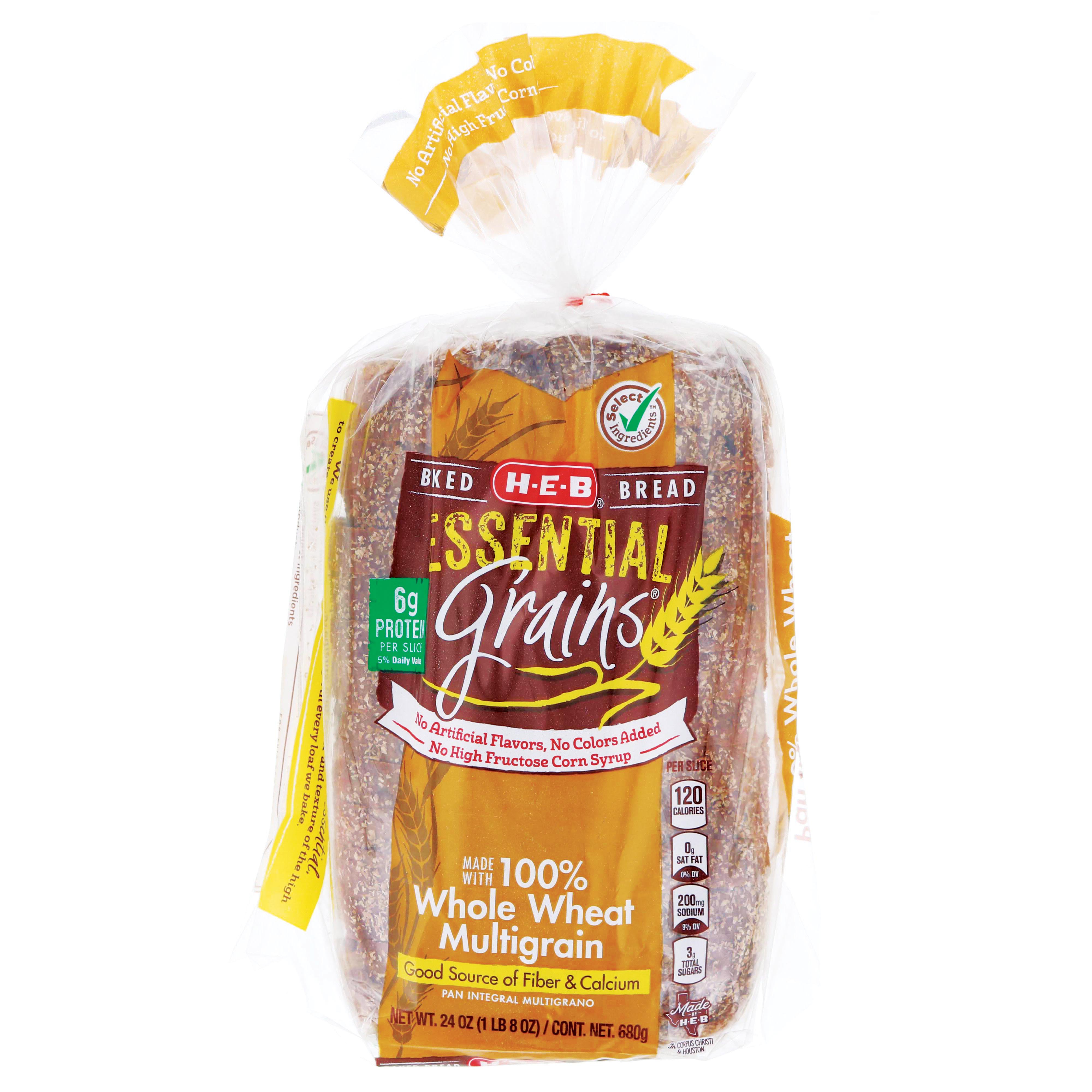


Whole Wheat English Muffins
Summary
The Whole Wheat English Muffins are moderately processed and contain a few additives such as soy lecithin and sugar, which are common in baked goods. While the product uses unbleached wheat flour and malted barley flour, the presence of sugar and the processing level limit its score. The ingredient list is relatively clean compared to more heavily processed breads, but the processing level and presence of refined sugar prevent a higher rating.
At a glance
Key ingredients 9
Unbleached Wheat FlourNeutral
Unbleached wheat flour is a common ingredient in baked goods, providing structure and texture. It is less processed than bleached flour, retaining more nutrients. However, it still lacks the fiber and nutrients found in whole grain flours.
Risks
May contribute to blood sugar spikes due to its refined nature.
Benefits
Provides essential carbohydrates and some protein, though less nutritious than whole grain alternatives.
Malted Barley FlourNeutral
Malted barley flour is used to enhance flavor and improve the texture of baked goods. It contains enzymes that help break down starches into sugars, aiding in fermentation. While it adds flavor, it does not significantly contribute to nutritional value.
Benefits
Enhances flavor and texture in baked goods, aiding in fermentation processes.
WaterNeutral
Water is a fundamental ingredient in baking, necessary for hydration and dough formation. It acts as a solvent and helps activate yeast. It does not provide any nutritional value.
Benefits
Essential for dough formation and yeast activation in baking.
YeastNeutral
Yeast is a microorganism used in baking to leaven dough, producing carbon dioxide and alcohol. It contributes to the texture and flavor of baked goods. While it is crucial for fermentation, it does not provide significant nutritional benefits.
Benefits
Essential for leavening dough and developing flavor in baked goods.
SugarBad
Sugar is used to enhance sweetness and aid in yeast fermentation. It is a refined carbohydrate that can contribute to health issues when consumed in excess. Its presence in baked goods is primarily for flavor and fermentation, not nutrition.
Risks
Excessive consumption can lead to health issues such as obesity and diabetes.
Benefits
Aids in fermentation and enhances flavor, but offers no significant nutritional benefits.
Wheat GlutenNeutral
Wheat gluten is added to improve dough elasticity and texture. It is a protein that helps trap air, giving baked goods a chewy texture. While beneficial for texture, it may cause issues for those with gluten sensitivities.
Risks
May cause adverse reactions in individuals with gluten intolerance or celiac disease.
Benefits
Improves dough elasticity and texture, contributing to the structure of baked goods.
Yellow Corn MealNeutral
Yellow corn meal is used to add texture and flavor to baked goods. It is a whole grain product that provides some fiber and nutrients. However, it is not a significant source of nutrition in small quantities.
Benefits
Adds texture and flavor, providing some fiber and nutrients as a whole grain.
Yellow Corn FlourNeutral
Yellow corn flour is used to enhance texture and flavor in baked goods. It is a finely ground whole grain product that offers some nutritional benefits. However, its contribution is minimal in small amounts.
Benefits
Provides texture and flavor, with some fiber and nutrients from whole grain content.
Soy LecithinNeutral
Soy lecithin is an emulsifier used to improve texture and extend shelf life in baked goods. It is derived from soybeans and is generally recognized as safe. While it aids in processing, it does not offer significant nutritional benefits.
Benefits
Improves texture and shelf life of baked goods, aiding in emulsification.
Processing
Processed Foods
Get the full breakdown in the Scout app
Scan any product to see lab results, healthy alternatives, and your personalized analysis.
Download on theApp Store