
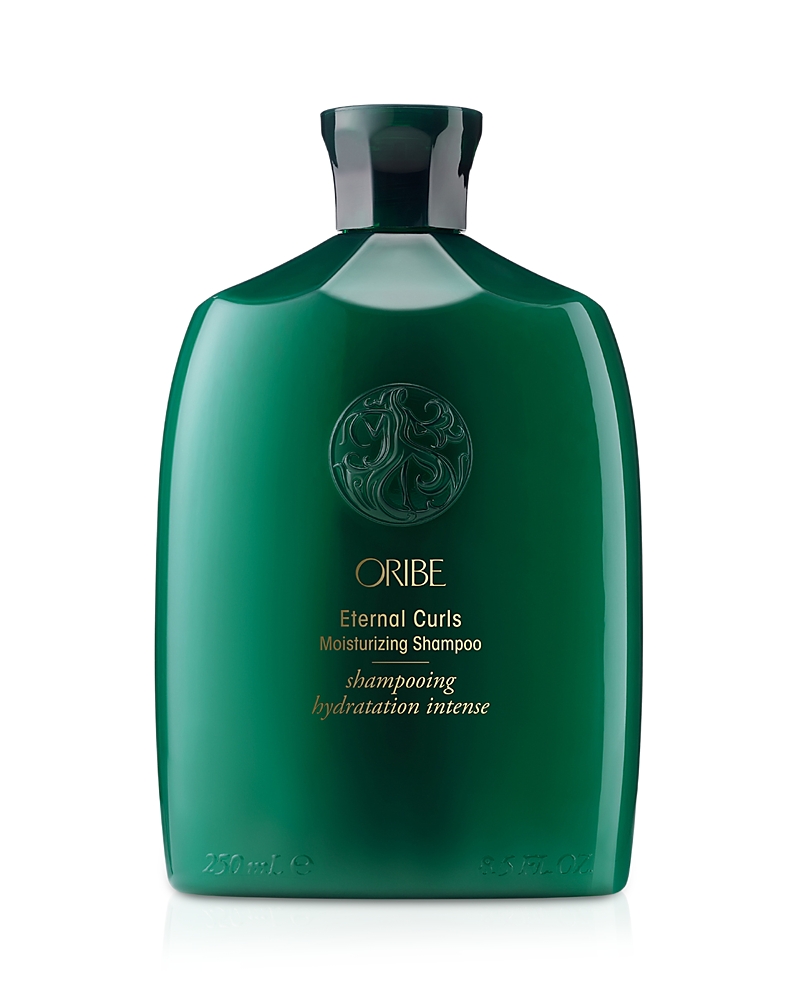

Oribe Eternal Curls Moisturizing Shampoo 8.5 oz.
Analysis updated August 2026 · How Scout scores
At a glance
Summary
This shampoo contains several beneficial ingredients such as gentle coconut-derived surfactants, jojoba oil, and panthenol, which are known for their moisturizing and strengthening properties. However, the presence of non-water-soluble silicones like amodimethicone and synthetic fragrance, which can cause buildup and irritation, respectively, detracts from its overall safety profile. Additionally, the inclusion of phenoxyethanol as a preservative raises concerns for those with sensitive skin.
Key ingredients 12
Sodium Cocoyl IsethionateVery Good
Sodium Cocoyl Isethionate is a gentle surfactant derived from coconut oil. It effectively cleanses the hair without stripping natural oils. It is well-tolerated by most skin types.
Risks
Rarely, it may cause mild irritation in sensitive individuals.
Benefits
Provides gentle cleansing and maintains the natural moisture balance of the hair.
Lauryl GlucosideVery Good
Lauryl Glucoside is a non-ionic surfactant derived from glucose and coconut oil. It is known for being gentle and biodegradable. It is suitable for sensitive skin and helps to stabilize the formulation.
Risks
Generally considered safe with low irritation potential.
Benefits
Enhances the mildness of the shampoo and is environmentally friendly.
Simmondsia Chinensis (Jojoba) Seed OilVery Good
Jojoba oil is a natural emollient that closely resembles the skin's natural oils. It conditions and moisturizes the hair without leaving a greasy residue. It is rich in vitamins and minerals beneficial for hair health.
Risks
Minimal risk of allergic reactions.
Benefits
Nourishes and conditions hair, promoting softness and shine.
Sodium Lauroyl Methyl IsethionateGood
This is a mild surfactant that helps to cleanse the hair and scalp. It is known for its ability to produce a rich lather. It is less likely to cause irritation compared to harsher surfactants.
Risks
Minimal risk of irritation for sensitive skin.
Benefits
Contributes to a creamy lather and gentle cleansing action.
GlycerinGood
Glycerin is a humectant that attracts moisture to the hair and scalp. It helps to maintain hydration and improve the texture of hair. It is widely used in moisturizing formulations.
Risks
Overuse can lead to a sticky feel on the hair.
Benefits
Improves moisture retention and hair softness.
PanthenolGood
Panthenol is a form of vitamin B5 that moisturizes and strengthens hair. It penetrates the hair shaft to improve elasticity and shine. It is beneficial for maintaining healthy hair.
Risks
Generally safe with low risk of irritation.
Benefits
Enhances hair strength and moisture retention.
Hydrolyzed Vegetable ProteinGood
Hydrolyzed Vegetable Protein helps to strengthen and repair damaged hair. It penetrates the hair shaft to improve elasticity and reduce breakage. It is beneficial for maintaining healthy hair structure.
Risks
Generally safe with low risk of irritation.
Benefits
Improves hair strength and reduces damage.
Rosmarinus Officinalis (Rosemary) Leaf ExtractGood
Rosemary extract is known for its antioxidant and antimicrobial properties. It can help to stimulate hair growth and improve scalp health. It is a natural ingredient with multiple benefits for hair care.
Risks
Rarely, it may cause irritation in sensitive individuals.
Benefits
Promotes healthy scalp and hair growth.
Aqua/Water/EauNeutral
Water is a universal solvent and is used as a base in many cosmetic products. It helps to dissolve other ingredients and provides hydration. It does not have any direct risks or benefits.
Benefits
Provides a medium for other ingredients to be dissolved and applied.
PhenoxyethanolBad
Phenoxyethanol is a preservative used to prevent microbial growth. It is effective but can cause irritation in some individuals. It is a common alternative to parabens.
Risks
Potential skin irritant and allergen for sensitive individuals.
Benefits
Helps to preserve the product and extend shelf life.
AmodimethiconeBad
Amodimethicone is a silicone used for conditioning and smoothing hair. It can cause buildup over time, leading to dullness. It is not water-soluble, which can make it difficult to remove.
Risks
May cause buildup and weigh down hair with prolonged use.
Benefits
Provides immediate smoothness and shine to hair.
Parfum/FragranceVery Bad
Synthetic fragrances can cause allergic reactions and irritation. They are often composed of multiple chemicals, some of which may be harmful. Fragrance is a common cause of contact dermatitis.
Risks
Potential allergen and irritant for sensitive individuals.
Benefits
Provides a pleasant scent to the product.
Processing
Processed Foods
Get the full breakdown in the Scout appTake Scout shopping
Scan any product to see lab results, healthy alternatives, and your personalized analysis.
Download on theApp Store GET IT ONGoogle PlayAmazon pricing & content
Amazon price as of . Product prices and availability are accurate as of the date/time indicated and are subject to change. Any price and availability information displayed on Amazon.com at the time of purchase will apply to the purchase of this product.
CERTAIN CONTENT THAT APPEARS ON THIS SITE COMES FROM AMAZON. THIS CONTENT IS PROVIDED “AS IS” AND IS SUBJECT TO CHANGE OR REMOVAL AT ANY TIME.