
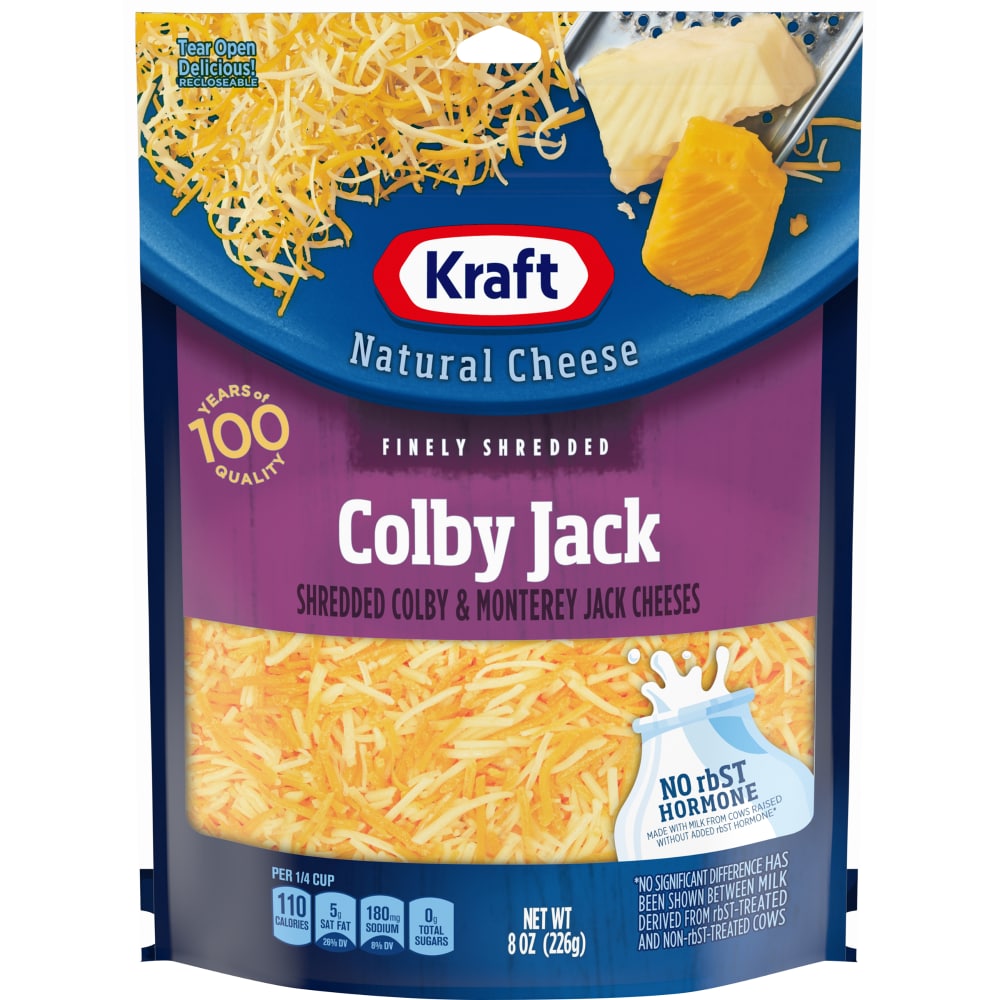


Colby Jack
Analysis updated June 2026 · How Scout scores
At a glance
Summary
This cheese product contains beneficial ingredients like Colby and Monterey Jack cheese, which provide calcium and protein. However, the presence of modified cornstarch and natamycin indicates additional processing and the use of additives. While these additives are generally safe, they contribute to a higher processing level, which limits the overall score.
Key ingredients 10
Colby CheeseGood
Colby cheese is a semi-hard cheese made from cow's milk, providing a good source of calcium and protein. It is minimally processed and typically contains few additives. The cheese is known for its mild flavor and creamy texture.
Risks
Contains lactose, which may cause digestive issues for those with lactose intolerance.
Benefits
Rich in calcium and protein, supporting bone health and muscle maintenance.
Pasteurized MilkGood
Pasteurized milk is a primary ingredient in cheese, providing essential nutrients like calcium and vitamin D. The pasteurization process ensures safety by eliminating harmful bacteria. It serves as a base for cheese production, contributing to its nutritional profile.
Risks
May cause allergic reactions in individuals with milk allergies.
Benefits
Provides essential nutrients such as calcium and vitamin D, supporting bone health.
Cheese CultureGood
Cheese cultures are beneficial bacteria used in the cheese-making process to develop flavor and texture. They are natural and contribute to the fermentation process. These cultures enhance the nutritional profile by potentially supporting gut health.
Benefits
May support gut health by contributing beneficial bacteria.
Monterey Jack CheeseGood
Monterey Jack cheese is a semi-soft cheese known for its mild flavor and creamy texture. It is made from cow's milk and provides a good source of calcium and protein. The cheese is minimally processed, contributing to its nutritional value.
Risks
Contains lactose, which may cause digestive issues for those with lactose intolerance.
Benefits
Rich in calcium and protein, supporting bone health and muscle maintenance.
SaltNeutral
Salt is used in cheese for flavor enhancement and as a preservative. It is a common ingredient in cheese-making, helping to control moisture and bacterial growth. While necessary in small amounts, excessive consumption can lead to health issues.
Risks
Excessive salt intake can contribute to high blood pressure and cardiovascular issues.
Benefits
Enhances flavor and acts as a preservative in cheese.
EnzymesNeutral
Enzymes are used in cheese-making to coagulate milk, forming curds. They are essential for the cheese production process and are typically derived from natural sources. Enzymes do not significantly alter the nutritional profile of cheese.
Benefits
Essential for the cheese-making process, aiding in milk coagulation.
AnnattoNeutral
Annatto is a natural coloring agent derived from the seeds of the achiote tree, used to give cheese its yellow-orange hue. It is minimally processed and does not affect the flavor of the cheese. Annatto is considered safe and is commonly used in food products.
Benefits
Provides natural color without affecting flavor.
Vitamin A PalmitateNeutral
Vitamin A palmitate is a synthetic form of vitamin A added to fortify foods. It is used to enhance the nutritional profile by providing vitamin A, which is essential for vision and immune function. Its addition is common in fortified foods.
Risks
Excessive intake can lead to hypervitaminosis A, but this is unlikely from typical consumption.
Benefits
Provides vitamin A, supporting vision and immune health.
Modified CornstarchBad
Modified cornstarch is used as a thickening agent and stabilizer in processed foods. It is highly processed and can contribute to the overall carbohydrate content without providing significant nutritional benefits. Its use in cheese may indicate additional processing.
Risks
May contribute to increased blood sugar levels and is often used in processed foods.
NatamycinBad
Natamycin is a preservative used to prevent mold growth on cheese. It is a natural antifungal agent but is still considered an additive. While generally recognized as safe, its presence indicates additional processing.
Risks
May cause allergic reactions in sensitive individuals.
Benefits
Helps prevent mold growth, extending the shelf life of cheese.
Processing
Processed Foods
Get the full breakdown in the Scout appTake Scout shopping
Scan any product to see lab results, healthy alternatives, and your personalized analysis.
Download on theApp Store GET IT ONGoogle PlayAmazon pricing & content
Amazon price as of . Product prices and availability are accurate as of the date/time indicated and are subject to change. Any price and availability information displayed on Amazon.com at the time of purchase will apply to the purchase of this product.
CERTAIN CONTENT THAT APPEARS ON THIS SITE COMES FROM AMAZON. THIS CONTENT IS PROVIDED “AS IS” AND IS SUBJECT TO CHANGE OR REMOVAL AT ANY TIME.