
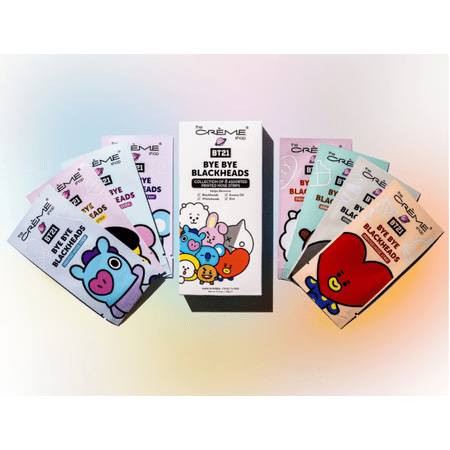
The Crème Shop | BT21: Bye Bye Blackheads - Printed Pore Strips (Set of 8)

60 Fair
View on Amazon

Summary

This product contains a mix of safe and synthetic ingredients. While it includes beneficial components like kaolin, which is known for its skin-cleansing properties, it also contains synthetic polymers such as PVP and VP/VA Copolymer, which are common in cosmetic formulations but contribute to a higher processing level. The presence of propylene glycol, a common synthetic humectant, further indicates moderate processing, which affects the overall score.

At a glance

Beneficial ingredients 0
Harmful ingredients 0
Category Face Wash

Key ingredients 9

Water

Water is a common solvent used in cosmetics to dissolve other ingredients. It helps in forming emulsions and acts as a carrier for active substances. It is generally considered safe and non-irritating.

Risks

There are no significant risks associated with water in cosmetics.

Benefits

Water helps in hydrating the skin and is essential for the formulation of many cosmetic products.

See more about Water →
PVP

PVP, or polyvinylpyrrolidone, is used as a binder and film-forming agent in cosmetics. It helps in adhering the product to the skin and provides a smooth finish. It is generally considered safe for use in cosmetics.

Risks

In rare cases, PVP can cause mild skin irritation or allergic reactions.

Benefits

PVP helps in improving the texture and application of cosmetic products.

Dimethicone Copolyol

Dimethicone Copolyol is a silicone-based compound used as an emulsifier and conditioning agent. It helps in providing a smooth application and enhances the spreadability of the product. It is generally considered safe for use in cosmetics.

Risks

Silicones can sometimes cause build-up on the skin, potentially leading to clogged pores.

Benefits

Dimethicone Copolyol provides a silky feel and helps in retaining moisture on the skin.

Kaolin

Kaolin is a natural clay used for its absorbent properties in cosmetics. It helps in drawing out impurities and excess oil from the skin. It is generally considered safe and beneficial for oily and acne-prone skin.

Risks

Kaolin can be drying if used excessively, especially on already dry skin.

Benefits

Kaolin helps in cleansing and purifying the skin, making it ideal for pore strips.

See more about Kaolin →
VP/VA Copolymer

VP/VA Copolymer is used as a film-forming agent in cosmetics. It helps in providing a long-lasting hold and enhances the adhesion of the product to the skin. It is generally considered safe for use in cosmetics.

Risks

There are minimal risks associated with VP/VA Copolymer, though it can cause mild irritation in sensitive individuals.

Benefits

VP/VA Copolymer helps in improving the durability and effectiveness of cosmetic products.

Titanium Dioxide

Titanium Dioxide is used as a pigment and UV filter in cosmetics. It provides opacity and helps in protecting the skin from UV radiation. It is generally considered safe and effective in cosmetic formulations.

Risks

Inhalation of titanium dioxide in powder form can be harmful, but it is safe in cream or lotion form.

Benefits

Titanium Dioxide offers sun protection and enhances the appearance of cosmetic products.

See more about Titanium Dioxide →
Propylene Glycol

Propylene Glycol is used as a humectant and solvent in cosmetics. It helps in retaining moisture and improving the texture of the product. It is generally considered safe for use in cosmetics.

Risks

Propylene Glycol can cause irritation or allergic reactions in sensitive individuals.

Benefits

Propylene Glycol helps in keeping the skin hydrated and enhances the penetration of other active ingredients.

See more about Propylene Glycol →
1, 2-Hexanediol

1, 2-Hexanediol is used as a preservative and humectant in cosmetics. It helps in preventing microbial growth and retaining moisture in the product. It is generally considered safe for use in cosmetics.

Risks

There are minimal risks associated with 1, 2-Hexanediol, though it can cause mild irritation in sensitive individuals.

Benefits

1, 2-Hexanediol helps in extending the shelf life of cosmetic products and maintaining skin hydration.

Butylene Glycol

Butylene Glycol is used as a solvent and conditioning agent in cosmetics. It helps in improving the texture and spreadability of the product. It is generally considered safe for use in cosmetics.

Risks

Butylene Glycol can cause irritation or allergic reactions in sensitive individuals.

Benefits

Butylene Glycol helps in keeping the skin hydrated and enhances the overall feel of cosmetic products.

See more about Butylene Glycol →

Processing

Group 3 · Processed

Processed Foods

Get the full breakdown in the Scout app

Scan any product to see lab results, healthy alternatives, and your personalized analysis.

Download on theApp Store