
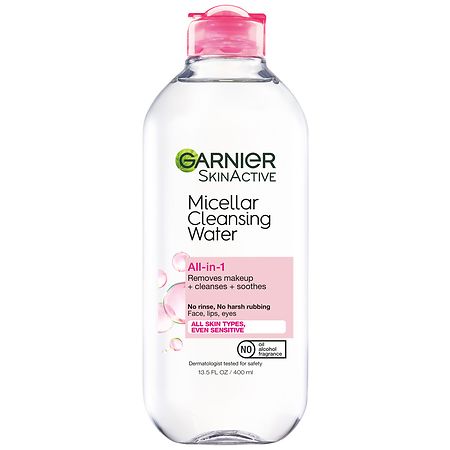

Garnier Micellar Water Hydrating Facial Cleanser & Makeup Remover - Basic Cleansing - 13.5 fl oz
Analysis updated August 2026 · How Scout scores
At a glance
Summary
This product contains glycerin, a beneficial ingredient known for its moisturizing properties. However, it also includes synthetic ingredients like hexylene glycol and disodium EDTA, which are common in processed skincare products. The presence of these synthetic compounds and the overall processing level limit its score, despite the inclusion of a hydrating agent.
Key ingredients 7
GlycerinGood
Glycerin is a well-known humectant that attracts moisture to the skin, helping to keep it hydrated.
See more about Glycerin →WaterNeutral
Water is a common base in skincare products, providing hydration and helping to dissolve other ingredients.
See more about Water →Hexylene GlycolBad
Hexylene Glycol can cause skin irritation or dryness in some users, which is why it is considered less favorable.
See more about Hexylene Glycol →Disodium CocoamphodiacetateBad
This surfactant can sometimes cause skin irritation or dryness, especially with frequent use.
See more about Disodium Cocoamphodiacetate →Disodium EDTABad
Disodium EDTA is used to stabilize formulas but may cause skin sensitivity or irritation in some individuals.
See more about Disodium EDTA →Poloxamer 184Bad
Poloxamer 184 is a surfactant that can strip natural oils from the skin, potentially leading to dryness.
Polyaminopropyl BiguanideBad
This preservative may cause skin irritation or allergic reactions in sensitive users.
See more about Polyaminopropyl Biguanide →Processing
Processed Foods
Get the full breakdown in the Scout appTake Scout shopping
Scan any product to see lab results, healthy alternatives, and your personalized analysis.
Download on theApp Store GET IT ONGoogle PlayAmazon pricing & content
Amazon price as of . Product prices and availability are accurate as of the date/time indicated and are subject to change. Any price and availability information displayed on Amazon.com at the time of purchase will apply to the purchase of this product.
CERTAIN CONTENT THAT APPEARS ON THIS SITE COMES FROM AMAZON. THIS CONTENT IS PROVIDED “AS IS” AND IS SUBJECT TO CHANGE OR REMOVAL AT ANY TIME.