
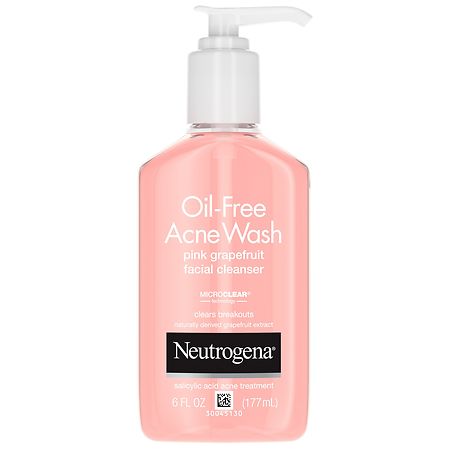
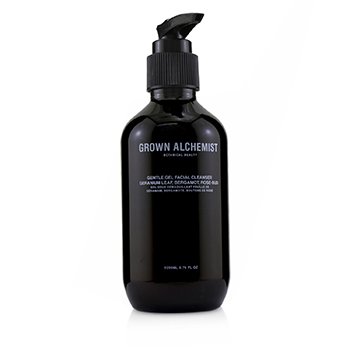

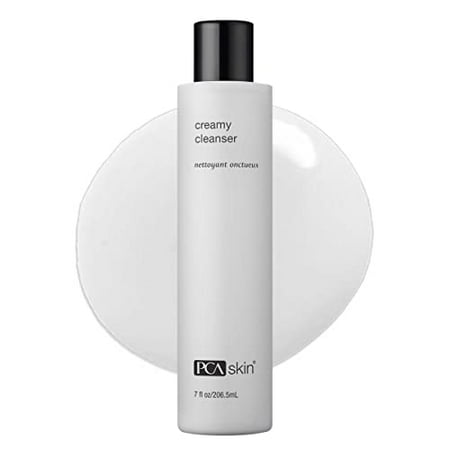
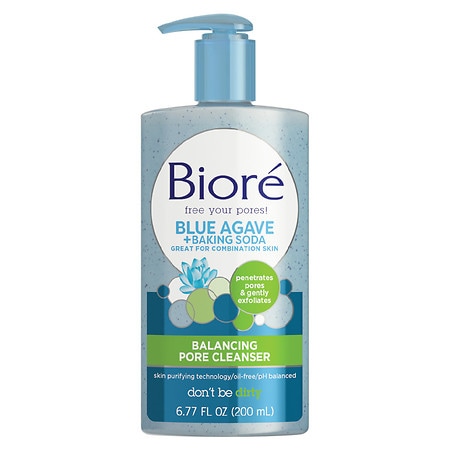
Neutrogena Oil-Free Pink Grapefruit Acne Facial Cleanser 6 fl. oz
Analysis updated July 2026 · How Scout scores
At a glance
Summary
This facial cleanser contains salicylic acid, which is beneficial for acne treatment and skin exfoliation. However, the presence of benzalkonium chloride, a potential skin irritant, and multiple synthetic surfactants and emulsifiers contribute to its moderate processing level. These factors, along with the use of PEG compounds, impact the overall safety and naturalness of the product's formulation.
Key ingredients 16
Salicylic AcidVery Good
Salicylic Acid is a beta hydroxy acid used for its exfoliating and acne-fighting properties. It helps to unclog pores and reduce acne breakouts. It is highly effective in treating acne and improving skin texture.
Risks
May cause dryness or irritation in sensitive skin.
Benefits
Unclogs pores, reduces acne breakouts, and improves skin texture.
WaterNeutral
Water is a common solvent used in cosmetics to dissolve other ingredients. It helps in forming the base of the product. It does not have any direct benefits or risks.
Risks
There are no significant risks associated with water in cosmetics.
Benefits
Water helps in dissolving other ingredients and provides a base for the formulation.
Sodium C14-16 Olefin SulfonateNeutral
Sodium C14-16 Olefin Sulfonate is a surfactant used for its cleansing properties. It helps in removing dirt and oil from the skin. It is considered milder than SLS but can still be drying for some skin types.
Risks
May cause dryness or irritation in sensitive skin types.
Benefits
Effective in cleansing and removing oils and impurities from the skin.
Cocamidopropyl BetaineNeutral
Cocamidopropyl Betaine is a surfactant and foam booster derived from coconut oil. It is used to reduce irritation potential of other surfactants. It is generally considered mild and safe for most skin types.
Risks
May cause irritation in some individuals with very sensitive skin.
Benefits
Helps to create a rich lather and reduce irritation from other surfactants.
Linoleamidopropyl Propylene Glycol-Dimonium Chloride PhosphateNeutral
This ingredient is used as a conditioning agent in cosmetics. It helps to improve the texture and feel of the skin. It is generally considered safe for use in cosmetics.
Risks
There are no significant risks associated with this ingredient.
Benefits
Improves skin texture and provides conditioning benefits.
PEG-80 Sorbitan LaurateNeutral
PEG-80 Sorbitan Laurate is an emulsifier and surfactant used in cosmetics. It helps to stabilize formulations and improve texture. It is generally considered safe but may be contaminated with ethylene oxide or 1,4-dioxane.
Risks
Potential contamination with ethylene oxide or 1,4-dioxane.
Benefits
Stabilizes formulations and improves texture.
Polysorbate 20Neutral
Polysorbate 20 is an emulsifier used to mix oil and water-based ingredients. It helps to stabilize formulations and improve texture. It is generally considered safe but may be contaminated with ethylene oxide or 1,4-dioxane.
Risks
Potential contamination with ethylene oxide or 1,4-dioxane.
Benefits
Stabilizes formulations and improves texture.
PEG-120 Methyl Glucose DioleateNeutral
PEG-120 Methyl Glucose Dioleate is an emulsifier and thickener used in cosmetics. It helps to stabilize formulations and improve texture. It is generally considered safe but may be contaminated with ethylene oxide or 1,4-dioxane.
Risks
Potential contamination with ethylene oxide or 1,4-dioxane.
Benefits
Stabilizes formulations and improves texture.
Citric Acid MonohydrateNeutral
Citric Acid Monohydrate is used to adjust the pH of cosmetic formulations. It helps to maintain the stability and effectiveness of the product. It is generally considered safe but may cause irritation in sensitive skin.
Risks
May cause irritation in sensitive skin.
Benefits
Helps to maintain stability and effectiveness of the product.
C12-15 Alkyl LactateNeutral
C12-15 Alkyl Lactate is an emollient used to improve the texture and feel of the skin. It helps to provide a smooth and soft finish. It is generally considered safe for use in cosmetics.
Risks
There are no significant risks associated with this ingredient.
Benefits
Improves skin texture and provides a smooth finish.
Edetate DisodiumNeutral
Edetate Disodium is a chelating agent used to improve the stability of cosmetic formulations. It helps to bind metal ions and prevent them from affecting the product. It is generally considered safe for use in cosmetics.
Risks
There are no significant risks associated with this ingredient.
Benefits
Improves stability of formulations by binding metal ions.
Polyquaternium-7Neutral
Polyquaternium-7 is a conditioning agent used to improve the texture and feel of the skin. It helps to provide a smooth and soft finish. It is generally considered safe for use in cosmetics.
Risks
There are no significant risks associated with this ingredient.
Benefits
Improves skin texture and provides a smooth finish.
Cocamidopropyl Propylene Glycol-Dimonium Chloride PhosphateNeutral
This ingredient is used as a conditioning agent in cosmetics. It helps to improve the texture and feel of the skin. It is generally considered safe for use in cosmetics.
Risks
There are no significant risks associated with this ingredient.
Benefits
Improves skin texture and provides conditioning benefits.
Sodium HydroxideNeutral
Sodium Hydroxide is used to adjust the pH of cosmetic formulations. It helps to maintain the stability and effectiveness of the product. It is generally considered safe in low concentrations but can be irritating in higher amounts.
Risks
Can be irritating in higher concentrations.
Benefits
Helps to maintain stability and effectiveness of the product.
Propylene GlycolBad
Processed additive flagged under Scout's ingredient doctrine.
Risks
May cause irritation in sensitive individuals.
Benefits
Helps to retain moisture and improve skin texture.
Benzalkonium ChlorideBad
Benzalkonium Chloride is a preservative and antimicrobial agent used in cosmetics. It helps to prevent the growth of bacteria and fungi in the product. However, it can be irritating to the skin and eyes, especially in higher concentrations.
Risks
Can cause skin and eye irritation, especially in higher concentrations.
Benefits
Prevents growth of bacteria and fungi, extending product shelf life.
Get the full breakdown in the Scout appTake Scout shopping
Scan any product to see lab results, healthy alternatives, and your personalized analysis.
Download on theApp Store GET IT ONGoogle PlayAmazon pricing & content
Amazon price as of . Product prices and availability are accurate as of the date/time indicated and are subject to change. Any price and availability information displayed on Amazon.com at the time of purchase will apply to the purchase of this product.
CERTAIN CONTENT THAT APPEARS ON THIS SITE COMES FROM AMAZON. THIS CONTENT IS PROVIDED “AS IS” AND IS SUBJECT TO CHANGE OR REMOVAL AT ANY TIME.