
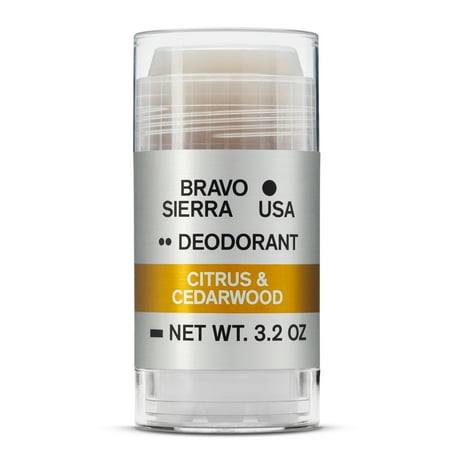
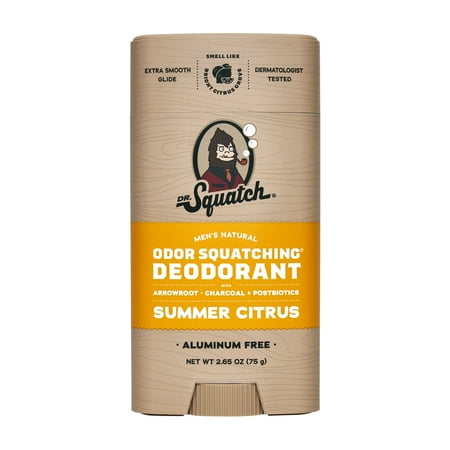
Bravo Sierra Stick Deodorant for Men Citrus and Cedarwood 3.2 oz
Analysis updated May 2026 · How Scout scores
At a glance
Summary
This deodorant contains propylene glycol, which is a synthetic chemical that can be concerning for some consumers, leading to a deduction in its score. However, it also includes beneficial ingredients like tapioca starch and saccharomyces ferment filtrate, which are more natural and contribute positively to the formulation. The product is moderately processed, which affects its overall rating, but it remains free from aluminum and other highly concerning additives.
Key ingredients 8
PropanediolGood
Propanediol is a plant-based alternative to traditional glycols, offering moisturizing benefits with a better safety profile.
See more about Propanediol →Sodium StearateGood
Sodium Stearate acts as a thickening agent and helps stabilize the product, making it effective and safe for use.
See more about Sodium Stearate →GlycerinGood
Glycerin is a natural humectant that attracts moisture to the skin, keeping it hydrated and comfortable.
See more about Glycerin →Saccharomyces Ferment FiltrateGood
This ferment filtrate can support skin health by promoting a balanced skin microbiome, enhancing skin comfort.
DiatomaceousGood
Diatomaceous earth helps absorb excess moisture and odor, improving the deodorant’s performance.
Water (Aqua)Neutral
Standard formulation ingredient — neither beneficial nor harmful at typical use.
See more about Water (Aqua) →Tapioca StarchNeutral
Standard formulation ingredient — neither beneficial nor harmful at typical use.
See more about Tapioca Starch →Propylene Glycol (Biobased)Bad
Propylene Glycol is often used as a moisturizer or solvent, but it can cause skin irritation and has potential health concerns for some users.
Processing
Processed Foods
Get the full breakdown in the Scout appTake Scout shopping
Scan any product to see lab results, healthy alternatives, and your personalized analysis.
Download on theApp Store GET IT ONGoogle PlayAmazon pricing & content
Amazon price as of . Product prices and availability are accurate as of the date/time indicated and are subject to change. Any price and availability information displayed on Amazon.com at the time of purchase will apply to the purchase of this product.
CERTAIN CONTENT THAT APPEARS ON THIS SITE COMES FROM AMAZON. THIS CONTENT IS PROVIDED “AS IS” AND IS SUBJECT TO CHANGE OR REMOVAL AT ANY TIME.