
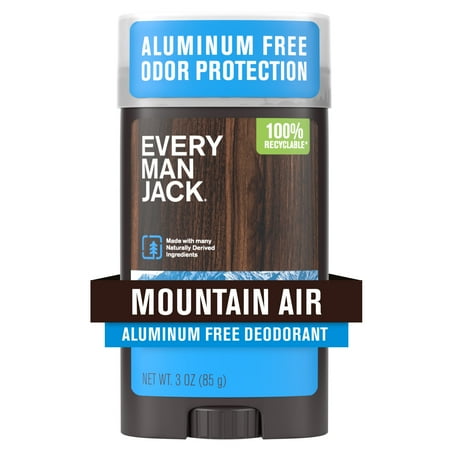
Every Man Jack Mountain Air Aluminum Free Deodorant 3 oz

68 Fair
$15.99 · 3 oz · 2 pack
View on Amazon
Verified Amazon match

Summary

This deodorant is aluminum-free, which is a positive aspect for ingredient safety. However, it contains synthetic fragrance, which can be a concern for some users due to potential allergens and irritants. The presence of propanediol and caprylyl glycol, while generally considered safe, indicates a moderate level of processing, which slightly impacts the overall score.

At a glance

Beneficial ingredients 0
Harmful ingredients 0
Category Deodorant

Key ingredients 9

Propanediol
Neutral

Propanediol is a glycol that is often used as a solvent and skin-conditioning agent. It is derived from corn sugar and is considered a safer alternative to propylene glycol. It helps in improving the texture and feel of the product.

Risks

There is a low risk of skin irritation, especially for sensitive skin types.

Benefits

It is generally well-tolerated and helps in maintaining skin hydration.

See more about Propanediol →
Water/Eau
Neutral

Water is a universal solvent used in cosmetic formulations to dissolve other ingredients. It acts as a base for the product, allowing other ingredients to be evenly distributed. It is essential for the formulation of most personal care products.

Risks

There are no significant risks associated with water in cosmetic formulations.

Benefits

Water helps in hydrating the skin and is necessary for the stability of the product.

Polyglyceryl-10 Caprylate/Caprate
Neutral

Polyglyceryl-10 Caprylate/Caprate is an emulsifier and surfactant derived from natural sources. It helps in mixing oil and water-based ingredients, ensuring a stable formulation. It is often used in natural and organic products.

Risks

There are minimal risks associated with this ingredient, though it may cause mild irritation in rare cases.

Benefits

It is considered safe and effective for use in personal care products, contributing to a smooth application.

Caprylyl Glycol
Neutral

Caprylyl Glycol is a skin-conditioning agent that also acts as a preservative booster. It is derived from caprylic acid, a fatty acid found in coconut oil. It helps in improving the shelf life of the product.

Risks

There is a low risk of skin irritation, particularly for those with sensitive skin.

Benefits

It provides moisturizing benefits and enhances the efficacy of preservatives.

See more about Caprylyl Glycol →
Palmitic Acid
Neutral

Palmitic Acid is a fatty acid used as an emollient and surfactant in cosmetic formulations. It is derived from palm oil and helps in providing a smooth texture to the product. It is commonly used in skincare products for its moisturizing properties.

Risks

There are minimal risks associated with palmitic acid, though it may contribute to acne in some individuals.

Benefits

It helps in maintaining skin softness and smoothness.

See more about Palmitic Acid →
Stearic Acid
Neutral

Stearic Acid is a saturated fatty acid used as an emulsifier and thickener in cosmetics. It helps in stabilizing formulations and providing a creamy texture. It is derived from animal or vegetable fats.

Risks

There are minimal risks, but it may cause mild irritation in sensitive individuals.

Benefits

It contributes to the product's consistency and helps in maintaining skin hydration.

See more about Stearic Acid →
Sodium Hydroxide
Neutral

Sodium Hydroxide is used to adjust the pH of cosmetic formulations. It is a strong alkaline compound that helps in neutralizing acidic ingredients. It is used in very small amounts to ensure product stability.

Risks

In high concentrations, it can be corrosive and cause skin irritation.

Benefits

It ensures the product maintains a stable pH, which is crucial for skin compatibility.

See more about Sodium Hydroxide →
Fragrance (Parfum)

Fragrance is used to impart a pleasant scent to cosmetic products. It is a blend of various aromatic compounds, which can include synthetic and natural ingredients. Fragrance is often used to enhance the user experience.

Risks

Fragrance can cause allergic reactions and skin irritation, and may contain phthalates, which are linked to reproductive and organ damage.

Benefits

It provides a pleasant scent, enhancing the appeal of the product.

See more about Fragrance (Parfum) →
Sodium Chloride
Neutral

Sodium Chloride, commonly known as salt, is used as a thickening agent in cosmetic formulations. It helps in improving the viscosity of the product. It is a natural ingredient that is widely used in personal care products.

Risks

There are minimal risks, though excessive use can lead to dryness.

Benefits

It helps in stabilizing the product and improving its texture.

See more about Sodium Chloride →

Processing

Group 3 · Processed

Processed Foods

Get the full breakdown in the Scout app

Scan any product to see lab results, healthy alternatives, and your personalized analysis.

Download on theApp Store