
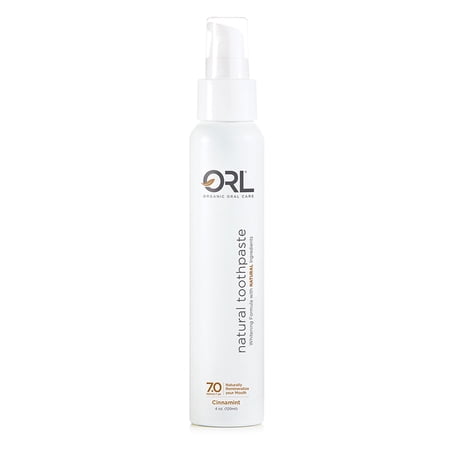



ORL - Cinnamint Toothpaste (120ml)
Summary
This toothpaste contains beneficial ingredients such as organic xylitol, coconut oil, and hydroxyapatite, which support oral health by reducing harmful bacteria and strengthening enamel. The product is processed, but the use of natural sweeteners and essential oils contributes positively to its formulation. However, the presence of potassium sorbate, a synthetic preservative, slightly detracts from its overall ingredient quality.
At a glance
Key ingredients 16
WaterNeutral
Water is a neutral ingredient primarily used as a solvent in toothpaste. It is essential for dissolving other ingredients and ensuring the paste's consistency. No significant health impacts are associated with water in this context.
See more about Water →Organic XylitolVery Good
Organic xylitol is a natural sweetener that helps reduce tooth decay. It is derived from plant sources and is known for its ability to inhibit the growth of cavity-causing bacteria. Its organic certification indicates minimal processing and absence of synthetic chemicals.
Risks
Excessive consumption may cause digestive discomfort.
Benefits
Promotes oral health by reducing the risk of cavities and improving dental hygiene.
Cocos Nucifera (Coconut) OilGood
Coconut oil is used for its antibacterial properties and ability to improve oral health. It is minimally processed and retains natural compounds beneficial for reducing harmful bacteria in the mouth. Its use in oil pulling is well-documented for oral hygiene.
Benefits
Provides antibacterial benefits and supports oral health.
SteviaGood
Stevia is a natural sweetener that does not contribute to tooth decay. It is extracted from the leaves of the Stevia plant and is used as a sugar substitute. Its natural origin and lack of calories make it a favorable ingredient in oral care products.
Benefits
Offers sweetness without increasing the risk of cavities.
Potassium SorbateBad
Potassium sorbate is a preservative used to extend shelf life by inhibiting mold and yeast growth. It is synthetically produced and may cause allergic reactions in sensitive individuals. Its use is common in processed products to maintain freshness.
Risks
May cause allergic reactions or skin irritation in sensitive individuals.
Benefits
Helps maintain product freshness by preventing microbial growth.
Citric AcidNeutral
Citric acid is used to adjust the pH and enhance flavor. It is naturally found in citrus fruits but often synthetically produced for commercial use. Its role in toothpaste is primarily functional, with no significant health impacts.
See more about Citric Acid →Xanthan GumNeutral
Xanthan gum is a thickening agent that stabilizes the toothpaste's texture. It is produced through fermentation of sugars and is widely used in food and personal care products. Its role is primarily functional, with no direct health benefits.
See more about Xanthan Gum →Sodium BicarbonateGood
Sodium bicarbonate, or baking soda, is used for its mild abrasive properties that help clean teeth. It is a natural compound that neutralizes acids in the mouth, promoting oral health. Its use in toothpaste is well-regarded for its cleaning efficacy.
Benefits
Helps clean teeth and neutralize acids, supporting oral health.
HydroxyapatiteVery Good
Hydroxyapatite is a naturally occurring mineral that helps remineralize tooth enamel. It is biocompatible and mimics the natural structure of teeth, making it highly effective in strengthening enamel. Its use in toothpaste is supported by research for improving dental health.
Benefits
Supports enamel remineralization and strengthens teeth.
GlycerinNeutral
Glycerin is used to maintain moisture and prevent the toothpaste from drying out. It is a humectant derived from plant oils or synthetically produced. Its role is primarily functional, with no direct health benefits.
See more about Glycerin →Hydrated SilicaNeutral
Hydrated silica is used as a mild abrasive to help clean teeth. It is a naturally occurring mineral that is processed for use in toothpaste. Its role is primarily functional, contributing to the cleaning action of the product.
See more about Hydrated Silica →Calcium CarbonateGood
Calcium carbonate is used as a mild abrasive and to provide calcium for tooth remineralization. It is a naturally occurring compound that helps clean teeth and support enamel health. Its use in toothpaste is beneficial for maintaining oral hygiene.
Benefits
Supports tooth remineralization and provides a mild abrasive action for cleaning.
Cinnamomum Zeylanicum (Cinnamon) Bark OilGood
Cinnamon bark oil is used for its antimicrobial properties and pleasant flavor. It is extracted from the bark of the cinnamon tree and is known for its ability to reduce oral bacteria. Its natural origin and health benefits make it a valuable addition to toothpaste.
Benefits
Provides antimicrobial benefits and enhances flavor.
Essential OilsGood
Essential oils are used for their aromatic properties and potential antimicrobial effects. They are extracted from plants and contribute to the flavor and freshness of the toothpaste. Their natural origin and potential health benefits are well-regarded in oral care.
Benefits
Enhance flavor and may provide antimicrobial benefits.
VitaminsGood
Vitamins are added to support overall oral health and provide additional nutritional benefits. They are essential nutrients that contribute to the maintenance of healthy gums and teeth. Their inclusion in toothpaste is beneficial for enhancing oral care.
Benefits
Support oral health and provide essential nutrients.
MineralsGood
Minerals are included to support tooth remineralization and overall oral health. They are essential for maintaining strong teeth and preventing decay. Their presence in toothpaste is beneficial for enhancing dental health.
Benefits
Support tooth remineralization and strengthen teeth.
Processing
Processed Foods
Get the full breakdown in the Scout app
Scan any product to see lab results, healthy alternatives, and your personalized analysis.
Download on theApp Store