
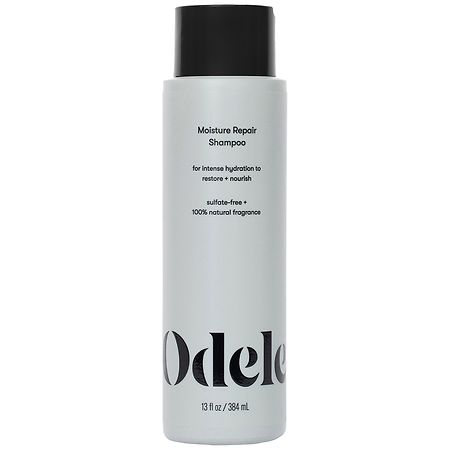
Odele Moisture Repair Shampoo for Dry + Damaged Hair - 13 fl oz
Analysis updated August 2026 · How Scout scores
At a glance
Summary
This shampoo contains beneficial ingredients like hydrolyzed rice protein and glycerin, which help strengthen and hydrate hair. However, it also includes sodium C14-16 olefin sulfonate, a harsher surfactant that can strip natural oils, and sodium chloride, which may cause dryness. The presence of these ingredients, along with a natural fragrance, results in a moderate processing level, impacting the overall score.
Key ingredients 20
Coco-GlucosideVery Good
Coco-Glucoside is a gentle, non-ionic surfactant derived from coconut oil and glucose. It is used for its mild cleansing properties and is suitable for sensitive skin. It is considered one of the gentlest surfactants available.
Risks
There are minimal risks associated with coco-glucoside.
Benefits
Provides gentle cleansing without stripping natural oils.
Hydrolyzed Rice ProteinGood
Hydrolyzed Rice Protein is used to strengthen and repair hair. It helps to improve hair elasticity and reduce breakage. It is a beneficial ingredient for damaged hair.
Risks
There are minimal risks associated with this ingredient.
Benefits
Strengthens hair and improves its overall health.
GlycerinGood
Glycerin is a humectant that attracts moisture to the hair and scalp. It helps to keep hair hydrated and reduce dryness. It is a beneficial ingredient for maintaining moisture balance.
Risks
There are minimal risks associated with glycerin.
Benefits
Provides hydration and helps to maintain moisture in the hair.
WaterNeutral
Water is a common solvent used in many cosmetic products. It acts as a base for the formulation. It does not provide direct benefits or risks.
Risks
There are no known risks associated with water in cosmetic formulations.
Benefits
Water helps to dissolve other ingredients and provides a medium for application.
Cocamidopropyl HydroxysultaineNeutral
Cocamidopropyl Hydroxysultaine is a mild surfactant derived from coconut oil. It is used to enhance foam and improve the texture of the product. It is generally considered safe and non-irritating.
Risks
Rarely, it may cause allergic reactions in sensitive individuals.
Benefits
Provides gentle cleansing and helps to stabilize foam.
Dimethyl Lauramide/MyristamideNeutral
Dimethyl Lauramide/Myristamide are used as surfactants and emulsifiers. They help to blend ingredients and improve the texture of the product. They are generally considered safe for use in cosmetics.
Risks
There are minimal risks associated with these ingredients.
Benefits
Enhances the texture and stability of the formulation.
Artocarpus Heterophyllus Fruit ExtractNeutral
Artocarpus Heterophyllus Fruit Extract is derived from jackfruit and is used for its antioxidant properties. It is considered safe for use in cosmetics. However, its specific benefits in hair care are not well-documented.
Risks
There are minimal risks associated with this ingredient.
Benefits
May provide antioxidant benefits to the hair and scalp.
PropanediolNeutral
Propanediol is used as a solvent and skin-conditioning agent. It is derived from corn sugar and is considered safe for use in cosmetics. It helps to improve the texture and feel of the product.
Risks
There are minimal risks associated with propanediol.
Benefits
Improves product texture and provides a smooth application.
Glycol DistearateNeutral
Glycol Distearate is used as an opacifying agent and to add pearlescence to products. It helps to improve the appearance and texture of the formulation. It is considered safe for use in cosmetics.
Risks
There are minimal risks associated with glycol distearate.
Benefits
Enhances the visual appeal and texture of the product.
Polyquaternium-10Neutral
Polyquaternium-10 is a conditioning polymer that helps to improve hair texture and reduce frizz. It is commonly used in hair care products for its film-forming properties. It is generally considered safe for use.
Risks
May cause build-up on hair if not rinsed thoroughly.
Benefits
Improves hair texture and reduces frizz.
Sodium Methyl 2-SulfolaurateNeutral
Sodium Methyl 2-Sulfolaurate is a surfactant used for its cleansing properties. It is considered milder than traditional sulfates. It is generally safe for use in hair care products.
Risks
There are minimal risks associated with this ingredient.
Benefits
Provides effective cleansing with reduced irritation potential.
Disodium 2-SulfolaurateNeutral
Disodium 2-Sulfolaurate is used as a surfactant and cleansing agent. It is considered milder than traditional sulfates and is safe for use in cosmetics. It helps to remove dirt and oil from the hair.
Risks
There are minimal risks associated with this ingredient.
Benefits
Provides effective cleansing with reduced irritation potential.
Hydroxypropyl Guar Hydroxypropyltrimonium ChlorideNeutral
This ingredient is used as a conditioning agent and thickener. It helps to improve the texture and feel of hair care products. It is generally considered safe for use.
Risks
There are minimal risks associated with this ingredient.
Benefits
Improves product texture and provides conditioning benefits.
Citric AcidNeutral
Citric Acid is used to adjust the pH of cosmetic formulations. It helps to maintain the stability and effectiveness of the product. It is generally considered safe for use in cosmetics.
Risks
May cause irritation if used in high concentrations.
Benefits
Helps to maintain product stability and pH balance.
Sodium ChlorideNeutral
Standard formulation ingredient — neither beneficial nor harmful at typical use.
Risks
May cause dryness and irritation to the scalp.
Benefits
Helps to thicken the product and improve its texture.
Sodium C14-16 Olefin SulfonateBad
Sodium C14-16 Olefin Sulfonate is a surfactant used for its cleansing properties. It can be harsh and strip natural oils from the hair. It is not as gentle as other surfactants.
Risks
May cause dryness and irritation to the scalp and hair.
Benefits
Effectively removes dirt and oil from the hair.
Cetrimonium ChlorideBad
Processed additive flagged under Scout's ingredient doctrine.
Risks
May cause irritation if used in high concentrations.
Benefits
Improves hair manageability and reduces static.
Sodium BenzoateBad
Synthetic preservative that can form benzene in the presence of vitamin C.
Risks
There are minimal risks associated with sodium benzoate.
Benefits
Prevents microbial growth and extends product shelf life.
Potassium SorbateBad
Synthetic preservative — flagged in daily-use products.
Risks
There are minimal risks associated with potassium sorbate.
Benefits
Inhibits microbial growth and maintains product safety.
Fragrance (All Natural)Very Bad
Heavily flagged ingredient class under Scout's doctrine.
Risks
Potential for allergic reactions or sensitivities.
Benefits
Improves the sensory experience of using the product.
Get the full breakdown in the Scout appTake Scout shopping
Scan any product to see lab results, healthy alternatives, and your personalized analysis.
Download on theApp Store GET IT ONGoogle PlayAmazon pricing & content
Amazon price as of . Product prices and availability are accurate as of the date/time indicated and are subject to change. Any price and availability information displayed on Amazon.com at the time of purchase will apply to the purchase of this product.
CERTAIN CONTENT THAT APPEARS ON THIS SITE COMES FROM AMAZON. THIS CONTENT IS PROVIDED “AS IS” AND IS SUBJECT TO CHANGE OR REMOVAL AT ANY TIME.