

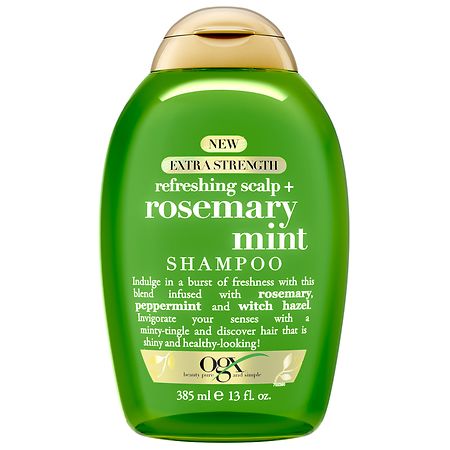
Aveda Rosemary Mint Purifying Shampoo with Pump 33.8 oz (NFR)
Analysis updated August 2026 · How Scout scores
At a glance
Summary
This shampoo contains beneficial ingredients like sodium coco-sulfate, a milder coconut-derived surfactant, and natural extracts such as peppermint and rosemary, which support scalp health. However, the presence of synthetic fragrance, sodium chloride, and phenoxyethanol, which can cause irritation or dryness, affects its overall safety profile. The product is moderately processed with a mix of both beneficial and potentially irritating components.
Key ingredients 23
Sodium Coco-SulfateVery Good
Sodium Coco-Sulfate is a coconut-derived surfactant that is milder than traditional sulfates. It effectively cleanses the hair without stripping natural oils. It is considered a safer alternative to harsher sulfates like SLS.
Risks
Overuse may still lead to dryness in sensitive scalps.
Benefits
Provides effective cleansing while being gentler on the scalp compared to harsher sulfates.
GlycerinGood
Glycerin is a humectant that attracts moisture to the hair and scalp. It helps to maintain hydration and improve hair texture. It is widely used in hair care for its moisturizing properties.
Risks
In very humid conditions, it may draw too much moisture, leading to frizz.
Benefits
Helps to keep hair hydrated and soft, improving overall hair health.
Lauramidopropyl BetaineGood
Lauramidopropyl Betaine is a mild surfactant and conditioning agent derived from coconut oil. It helps to cleanse the hair while providing some conditioning benefits. It is often used to reduce irritation from harsher surfactants.
Risks
Rarely, it may cause mild irritation in very sensitive individuals.
Benefits
Provides gentle cleansing and conditioning, making it suitable for sensitive scalps.
Mentha Piperita (Peppermint) Leaf ExtractGood
Peppermint leaf extract provides a refreshing scent and cooling sensation. It can stimulate blood circulation in the scalp, promoting hair health. It is also known for its antimicrobial properties.
Risks
May cause irritation in sensitive scalps if used in high concentrations.
Benefits
Promotes scalp health and provides a refreshing, invigorating sensation.
Rosmarinus Officinalis (Rosemary) Leaf ExtractGood
Rosemary leaf extract is known for its antioxidant and antimicrobial properties. It can help to improve scalp health and promote hair growth. It is a natural ingredient often used in hair care for its beneficial effects.
Risks
May cause irritation in sensitive individuals if used excessively.
Benefits
Supports scalp health and may promote hair growth due to its antioxidant properties.
Water\Aqua\EauNeutral
Water is a universal solvent used as a base in many cosmetic products. It helps to dissolve other ingredients and provides a medium for them to function. It is generally considered safe and non-reactive.
Risks
There are no significant risks associated with water in cosmetic formulations.
Benefits
Water helps to hydrate and provide a base for other beneficial ingredients.
Babassuamidopropyl BetaineNeutral
Babassuamidopropyl Betaine is a surfactant derived from babassu oil. It is used to enhance the cleansing properties of shampoos. It is generally considered mild and safe for use in hair care products.
Risks
There are minimal risks associated with this ingredient.
Benefits
Provides mild cleansing and is suitable for sensitive scalps.
Vinegar\Acetum\VinaigreNeutral
Vinegar is used in hair care for its ability to balance pH and add shine. It can help to remove product buildup and clarify the hair. It is a natural ingredient with a long history of use in hair care.
Risks
May cause dryness if used excessively.
Benefits
Helps to clarify hair and balance scalp pH, improving shine.
CamphorNeutral
Camphor is used for its cooling and soothing properties. It can help to relieve scalp irritation and provide a refreshing sensation. It is often used in small amounts in hair care products.
Risks
High concentrations may cause irritation or allergic reactions.
Benefits
Provides a cooling effect and can soothe minor scalp irritations.
MentholNeutral
Menthol provides a cooling sensation and is often used for its refreshing properties. It can help to soothe the scalp and provide a pleasant sensory experience. It is commonly used in hair care for its aromatic qualities.
Risks
May cause irritation in sensitive scalps if used in high concentrations.
Benefits
Offers a cooling and refreshing sensation, enhancing the user experience.
Cocamidopropylamine OxideNeutral
Cocamidopropylamine Oxide is a surfactant and foam booster used in shampoos. It helps to enhance the cleansing and foaming properties of the product. It is generally considered safe for use in hair care.
Risks
May cause irritation in sensitive individuals.
Benefits
Enhances cleansing and foaming, improving the overall effectiveness of the shampoo.
Stearamidopropyl DimethylamineNeutral
Stearamidopropyl Dimethylamine is a conditioning agent that helps to detangle and soften hair. It is used to improve the texture and manageability of hair. It is considered safe for use in hair care products.
Risks
May cause mild irritation in sensitive individuals.
Benefits
Improves hair manageability and softness, making it easier to style.
Polyquaternium-4Neutral
Polyquaternium-4 is a film-forming agent that helps to improve hair texture and manageability. It provides conditioning benefits and helps to reduce static. It is commonly used in hair care for its conditioning properties.
Risks
May cause buildup with excessive use.
Benefits
Enhances hair texture and reduces static, improving overall hair appearance.
GeraniolNeutral
Geraniol is a naturally occurring fragrance compound found in essential oils. It is used for its pleasant floral scent in cosmetic products. It is generally considered safe but can be an allergen for some individuals.
Risks
May cause allergic reactions in sensitive individuals.
Benefits
Adds a floral scent to products, enhancing their aromatic profile.
IsoeugenolNeutral
Isoeugenol is a fragrance ingredient used for its spicy, clove-like scent. It is found naturally in some essential oils. While generally safe, it can be an allergen for some individuals.
Risks
May cause allergic reactions in sensitive individuals.
Benefits
Adds a spicy, clove-like scent to products, enhancing their aromatic profile.
Citric AcidNeutral
Citric Acid is used to adjust the pH of cosmetic products. It helps to maintain the stability and effectiveness of the product. It is generally considered safe for use in hair care.
Risks
May cause irritation in sensitive scalps if used in high concentrations.
Benefits
Helps to balance pH, ensuring product stability and effectiveness.
Sodium ChlorideNeutral
Standard formulation ingredient — neither beneficial nor harmful at typical use.
Risks
Can cause dryness and irritation, particularly in sensitive scalps.
Benefits
Used to adjust the viscosity of the product, improving texture.
Sodium GluconateNeutral
Sodium Gluconate is a chelating agent that helps to stabilize cosmetic formulations. It prevents the degradation of the product by binding metal ions. It is generally considered safe for use in hair care products.
Risks
There are minimal risks associated with this ingredient.
Benefits
Helps to stabilize the product, ensuring its longevity and effectiveness.
Benzoic AcidNeutral
Benzoic Acid is used as a preservative in cosmetic products. It helps to prevent microbial growth, extending the shelf life of the product. It is generally considered safe for use in hair care.
Risks
May cause irritation in sensitive individuals if used in high concentrations.
Benefits
Prevents microbial growth, ensuring product safety and longevity.
LinaloolBad
Processed additive flagged under Scout's ingredient doctrine.
Risks
May cause allergic reactions in sensitive individuals.
Benefits
Contributes a pleasant scent to products, enhancing their fragrance profile.
LimoneneBad
Processed additive flagged under Scout's ingredient doctrine.
Risks
May cause allergic reactions in sensitive individuals.
Benefits
Provides a fresh citrus scent, enhancing the fragrance of the product.
PhenoxyethanolBad
Phenoxyethanol is a preservative used to prevent microbial growth in cosmetic products. It has been associated with skin irritation and allergic reactions in some individuals. It is often criticized for its potential to cause irritation.
Risks
Can cause skin irritation and allergic reactions in sensitive individuals.
Benefits
Prevents microbial growth, ensuring the safety and longevity of the product.
Fragrance ParfumVery Bad
Fragrance Parfum is a synthetic fragrance used to impart scent to products. It can contain a mixture of undisclosed chemicals, some of which may cause irritation or allergic reactions. It is often criticized for its lack of transparency.
Risks
May cause allergic reactions or irritation in sensitive individuals.
Benefits
Provides a pleasant scent to the product, enhancing user experience.
Get the full breakdown in the Scout appTake Scout shopping
Scan any product to see lab results, healthy alternatives, and your personalized analysis.
Download on theApp Store GET IT ONGoogle PlayAmazon pricing & content
Amazon price as of . Product prices and availability are accurate as of the date/time indicated and are subject to change. Any price and availability information displayed on Amazon.com at the time of purchase will apply to the purchase of this product.
CERTAIN CONTENT THAT APPEARS ON THIS SITE COMES FROM AMAZON. THIS CONTENT IS PROVIDED “AS IS” AND IS SUBJECT TO CHANGE OR REMOVAL AT ANY TIME.