
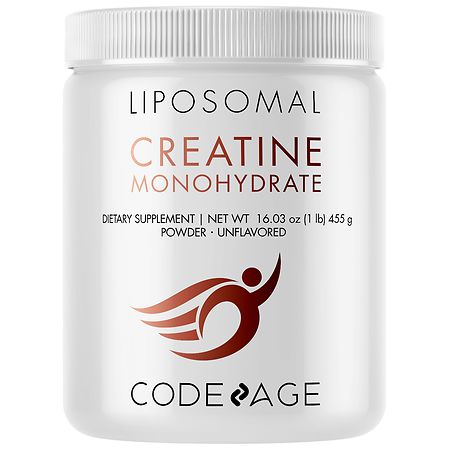


Codeage Liposomal Creatine Monohydrate Powder Unflavored, Pre & Post Workout Supplement - 16.03 oz
Analysis updated October 2026 · How Scout scores
At a glance
Summary
This creatine supplement uses a liposomal delivery system with phospholipids from non-GMO sunflower lecithin, which is a processed ingredient but not as harmful as seed oils. The product is relatively clean with minimal additives, enhancing its formulation quality. However, the presence of sunflower lecithin as an emulsifier slightly reduces its score compared to a pure creatine monohydrate product with no additives.
Key ingredients 1
Phospholipids From Non-GMO Sunflower LecithinBad
Sunflower lecithin is used as an emulsifier and is derived from sunflower seeds. Although it is not as harmful as seed oils, it is still considered a processed ingredient with potential health concerns. The processing methods can strip away beneficial nutrients, leaving behind a refined product.
Risks
Potential risks include the presence of residual solvents from processing and the possibility of allergic reactions in sensitive individuals.
Benefits
Sunflower lecithin can aid in the absorption of other nutrients and may support brain health due to its phosphatidylcholine content.
Processing
Ultra-Processed Foods
Get the full breakdown in the Scout appTake Scout shopping
Scan any product to see lab results, healthy alternatives, and your personalized analysis.
Download on theApp Store GET IT ONGoogle Play