
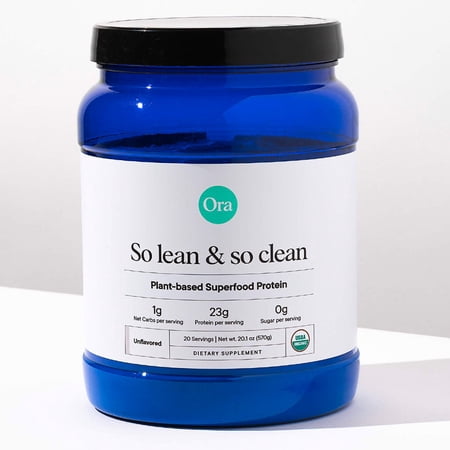
OWYN Plant Protein Zero Sugar Vanilla
Summary
This protein powder features high-quality plant-based proteins like pea and pumpkin, which are minimally processed and provide a good amino acid profile. The inclusion of beneficial amino acids and a superfood greens blend adds nutritional value. However, the use of natural flavors, which are often highly processed and lack transparency, slightly detracts from the overall formulation quality.
At a glance
Key ingredients 27
Pea ProteinGood
Pea protein is a plant-based protein source that provides a good amino acid profile. It is minimally processed and free from common allergens like dairy and soy. It is a sustainable protein source with a lower environmental impact compared to animal-based proteins.
Benefits
Rich in essential amino acids and supports muscle growth and repair.
Pumpkin ProteinGood
Pumpkin protein is a plant-based protein that is rich in nutrients and fiber. It is derived from pumpkin seeds and is minimally processed. It provides a good source of protein for those avoiding animal products.
Benefits
Contains essential amino acids and is high in magnesium and zinc.
Soluble FiberGood
Soluble fiber is beneficial for digestive health and helps regulate blood sugar levels. It is often derived from natural sources like fruits and vegetables. It can aid in maintaining a healthy weight by promoting a feeling of fullness.
Risks
Excessive intake may cause digestive discomfort in some individuals.
Benefits
Supports digestive health and helps control blood sugar levels.
Monk Fruit ExtractNeutral
Monk fruit extract is a natural sweetener with zero calories. It is derived from the monk fruit and is used as a sugar substitute. It does not raise blood sugar levels, making it suitable for diabetics.
Benefits
Provides sweetness without calories or impact on blood sugar.
Sea SaltGood
Unrefined sea salt — a minimally processed, natural source of sodium and essential trace minerals, and a legitimate whole-food seasoning. Treated as a positive ingredient.
Risks
High sodium intake can lead to increased blood pressure and cardiovascular issues.
Benefits
Contains trace minerals and enhances flavor.
Natural FlavorsBad
Natural flavors are a catch-all term for flavoring agents derived from natural sources. They are often highly processed and can contain a variety of chemical compounds. The lack of transparency in their composition can be concerning for consumers.
Risks
Potential for allergic reactions and lack of transparency in ingredient composition.
L-MethionineGood
L-methionine is an essential amino acid important for protein synthesis and metabolism. It is often included in supplements to support muscle growth and repair. It plays a role in the production of other amino acids and antioxidants.
Risks
Excessive intake may lead to elevated homocysteine levels, which can be a risk factor for cardiovascular disease.
Benefits
Supports protein synthesis and antioxidant production.
L-Lysine HCIGood
L-lysine HCI is an essential amino acid that supports immune function and collagen production. It is often used in supplements to enhance athletic performance and recovery. It is crucial for the absorption of calcium and the formation of collagen.
Benefits
Supports immune function and collagen production.
L-ThreonineGood
L-threonine is an essential amino acid that plays a role in protein synthesis and immune function. It is important for the formation of collagen and elastin. It supports liver function and helps maintain the immune system.
Benefits
Supports protein synthesis and immune function.
DL-PhenylalanineNeutral
DL-phenylalanine is a combination of two forms of the amino acid phenylalanine. It is used in supplements to support mood and cognitive function. It may help in the production of neurotransmitters like dopamine.
Risks
Individuals with phenylketonuria (PKU) should avoid this ingredient.
Benefits
May support mood and cognitive function.
L-Histidine HCIGood
L-histidine HCI is an essential amino acid important for growth and tissue repair. It is involved in the production of histamine, which is important for immune response. It also plays a role in the production of red and white blood cells.
Benefits
Supports tissue repair and immune response.
L-Tryptophan AcetateGood
L-tryptophan acetate is an essential amino acid that is a precursor to serotonin. It is important for mood regulation and sleep. It is often included in supplements to support mental health and relaxation.
Benefits
Supports mood regulation and sleep.
Retinyl PalmitateGood
Retinyl palmitate is a form of vitamin A used in supplements for its antioxidant properties. It supports vision, immune function, and skin health. It is a stable form of vitamin A that is easily absorbed by the body.
Risks
Excessive intake can lead to vitamin A toxicity.
Benefits
Supports vision, immune function, and skin health.
Zinc OxideGood
Zinc oxide is a mineral used in supplements to support immune function and wound healing. It is an essential trace element that plays a role in numerous enzymatic reactions. It is often used to prevent zinc deficiency.
Risks
Excessive intake can lead to zinc toxicity and interfere with copper absorption.
Benefits
Supports immune function and wound healing.
CholecalciferolGood
Cholecalciferol is a form of vitamin D used in supplements to support bone health and immune function. It is important for calcium absorption and maintaining healthy bones. It is often used to prevent vitamin D deficiency.
Risks
Excessive intake can lead to vitamin D toxicity.
Benefits
Supports bone health and immune function.
Pyridoxine HydrochlorideGood
Pyridoxine hydrochloride is a form of vitamin B6 used in supplements to support metabolism and brain health. It is important for the production of neurotransmitters and red blood cells. It is often used to prevent vitamin B6 deficiency.
Risks
Excessive intake can lead to nerve damage.
Benefits
Supports metabolism and brain health.
Ascorbic AcidGood
Ascorbic acid is a form of vitamin C used in supplements for its antioxidant properties. It supports immune function and collagen production. It is often used to prevent vitamin C deficiency.
Risks
High doses may cause gastrointestinal discomfort.
Benefits
Supports immune function and collagen production.
D-Alpha-Tocopheryl ChlorideGood
D-alpha-tocopheryl chloride is a form of vitamin E used in supplements for its antioxidant properties. It supports skin health and immune function. It is often used to prevent vitamin E deficiency.
Risks
Excessive intake can interfere with blood clotting.
Benefits
Supports skin health and immune function.
Thiamin HydrochlorideGood
Thiamin hydrochloride is a form of vitamin B1 used in supplements to support energy metabolism. It is important for the conversion of carbohydrates into energy. It is often used to prevent thiamin deficiency.
Benefits
Supports energy metabolism and nervous system function.
RiboflavinGood
Riboflavin is a form of vitamin B2 used in supplements to support energy production and cellular function. It is important for the metabolism of fats, carbohydrates, and proteins. It is often used to prevent riboflavin deficiency.
Benefits
Supports energy production and cellular function.
CyanocobalaminGood
Cyanocobalamin is a form of vitamin B12 used in supplements to support nerve function and red blood cell production. It is important for DNA synthesis and energy metabolism. It is often used to prevent vitamin B12 deficiency.
Benefits
Supports nerve function and red blood cell production.
Folic AcidGood
Folic acid is a form of vitamin B9 used in supplements to support cell division and DNA synthesis. It is important for fetal development and preventing neural tube defects. It is often used to prevent folate deficiency.
Risks
Excessive intake may mask vitamin B12 deficiency.
Benefits
Supports cell division and fetal development.
NiacinamideGood
Niacinamide is a form of vitamin B3 used in supplements to support skin health and energy metabolism. It is important for the conversion of food into energy. It is often used to prevent niacin deficiency.
Risks
High doses may cause flushing and liver damage.
Benefits
Supports skin health and energy metabolism.
Bacillus CoagulansGood
Bacillus coagulans is a probiotic used in supplements to support gut health and digestion. It is a spore-forming bacterium that can survive harsh stomach conditions. It is often used to improve gut flora balance and support immune function.
Benefits
Supports gut health and immune function.
BroccoliVery Good
Broccoli is a nutrient-rich vegetable included in the superfoods blend for its antioxidant properties. It is high in vitamins C and K and provides fiber and phytonutrients. It supports overall health and may reduce the risk of chronic diseases.
Benefits
Rich in antioxidants and supports overall health.
KaleVery Good
Kale is a leafy green vegetable included in the superfoods blend for its high nutrient content. It is rich in vitamins A, C, and K, as well as antioxidants and fiber. It supports heart health and may have anti-inflammatory properties.
Benefits
Supports heart health and provides essential nutrients.
SpinachVery Good
Spinach is a leafy green vegetable included in the superfoods blend for its nutrient density. It is high in vitamins A, C, and K, as well as iron and calcium. It supports bone health and may improve blood pressure levels.
Benefits
Supports bone health and provides essential nutrients.
Processing
Ultra-Processed Foods
Get the full breakdown in the Scout app
Scan any product to see lab results, healthy alternatives, and your personalized analysis.
Download on theApp Store